
TLDR: Key Takeaways
- Truck accidents result in 5,936 deaths and 161,000 injuries annually, with 70% of fatalities being occupants of other vehicles.
- The 10 most devastating injuries include traumatic brain injuries, spinal cord damage, internal bleeding, and severe burns that often require lifelong care.
- Average injury accident costs reach $148,279, while fatal crashes average $7.2 million—making immediate legal action crucial for fair compensation.
The Devastating Reality: When Physics Meets Flesh
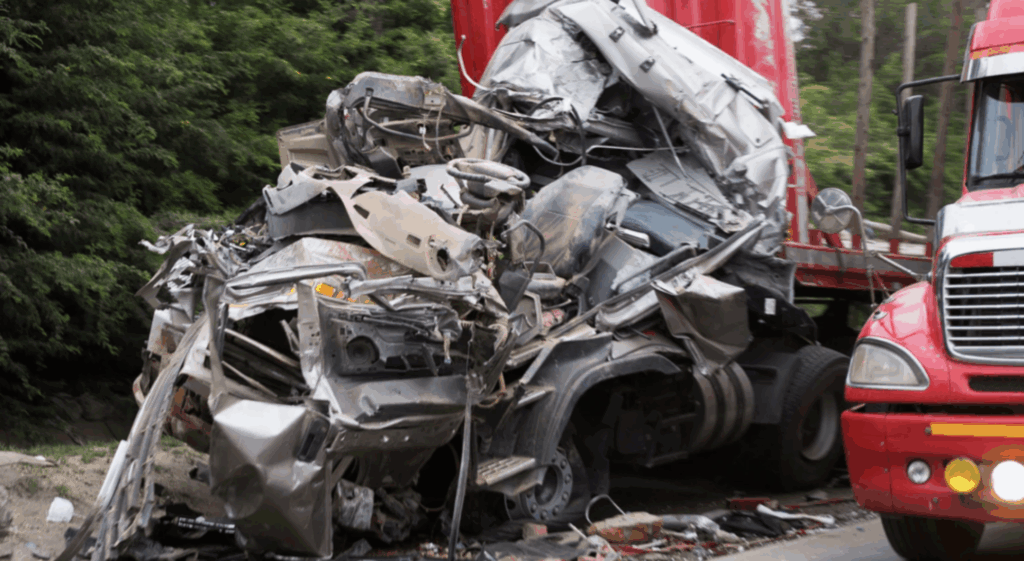
A loaded tractor-trailer weighs up to 80,000 pounds. Your passenger car weighs around 3,000 pounds. When these two forces collide, the laws of physics don’t care about fairness—they only care about mass, velocity, and the devastating transfer of energy that occurs in milliseconds.
In 2025, truck accidents continue to represent some of the most catastrophic incidents on American highways, with Texas leading the nation in both frequency and severity. Recent data shows that 5,936 people died in large truck crashes in 2022, with the number rising steadily each year. More troubling, 70% of these fatalities were occupants of passenger vehicles—people just like you, whose lives changed forever when they encountered commercial trucks operated negligently or in violation of safety regulations.
The injuries that result from truck accidents differ dramatically from typical car crashes. The massive size differential means that when a truck strikes a passenger vehicle, the smaller vehicle often becomes crushed, rolled over, or pushed into other obstacles. The survival rates are lower, the injuries more severe, and the long-term consequences more devastating than almost any other type of motor vehicle accident.
Understanding these injuries isn’t just about medical curiosity—it’s about recognizing the true scope of damages when pursuing compensation, understanding what lies ahead in terms of treatment and recovery, and making informed decisions about legal representation in cases where the stakes literally involve life-changing consequences.
1. Traumatic Brain Injuries: The Silent Destroyer
Traumatic brain injuries represent the most complex and potentially devastating consequences of truck accidents. Unlike broken bones that heal or cuts that close, brain injuries can fundamentally alter who a person is, affecting personality, cognitive ability, and basic life functions in ways that may not become apparent for months or years after the accident.
The mechanism of brain injury in truck accidents is particularly severe. When a massive truck strikes a passenger vehicle, the sudden deceleration forces the brain to slam against the inside of the skull. This creates both primary injuries from the initial impact and secondary injuries as the brain swells and pushes against the rigid skull, reducing blood flow and oxygen delivery to critical brain tissue.
TBIs in truck accidents commonly include concussions, contusions, coup-contrecoup injuries where the brain is damaged on opposite sides, and diffuse axonal injuries where nerve fibers throughout the brain are stretched and torn. The violent rotational forces common in truck accidents make diffuse axonal injuries particularly likely, and these represent some of the most devastating brain injuries possible.
Symptoms may not appear immediately, making these injuries particularly dangerous. Initial symptoms can include confusion, memory loss, headaches, dizziness, and changes in sleep patterns. More severe injuries may cause personality changes, difficulty with language or motor control, seizures, and coma. The insidious nature of many brain injuries means that accident victims may initially feel fine, only to discover weeks or months later that they’re struggling with concentration, memory, emotional regulation, or basic cognitive tasks.
The long-term consequences of TBI can be devastating. Many victims require years of rehabilitation involving neurologists, neuropsychologists, speech therapists, occupational therapists, and other specialists. The costs can easily reach millions of dollars over a lifetime, and many TBI victims never return to their previous level of employment or independence. Family relationships suffer as personality changes and cognitive limitations create new challenges that no one anticipated.
Recovery is unpredictable and often incomplete. While some people recover fully from mild concussions, others suffer permanent disabilities from injuries that initially seemed minor. The plasticity of the brain means that improvement can continue for years, but it also means that the full extent of the injury may not be known for a very long time after the accident.
2. Spinal Cord Injuries: When Movement Becomes Memory
Spinal cord injuries from truck accidents represent perhaps the most immediately life-altering consequences possible. The spinal cord serves as the communication highway between the brain and the rest of the body, and when this pathway is damaged, the results can be permanent and profound.
The mechanics of spinal injury in truck accidents are particularly severe. The violent forces involved can cause vertebrae to fracture, dislocate, or compress, putting pressure on or severing the delicate spinal cord. The sudden compression, hyperextension, or rotation of the spine that occurs when a truck crashes into a smaller vehicle often exceeds the anatomical limits of human spinal structures.
Spinal injuries are classified as complete or incomplete, depending on whether any function remains below the level of injury. Complete injuries result in total loss of sensation and motor function below the injury site, while incomplete injuries may preserve some function. The level of injury determines the extent of paralysis: cervical injuries affecting the neck can cause quadriplegia, affecting all four limbs, while lumbar injuries may cause paraplegia, affecting the legs and lower body.
Immediate consequences include paralysis, loss of sensation, and loss of bladder and bowel control. But the secondary effects can be equally devastating. Spinal cord injury victims face increased risks of blood clots, pneumonia, pressure sores, autonomic dysreflexia, and other serious medical complications that require constant vigilance and medical management.
The psychological impact of spinal cord injuries cannot be overstated. People who were previously active and independent suddenly find themselves dependent on others for basic daily activities. Depression, anxiety, and adjustment disorders are common, and suicide rates among spinal cord injury victims are significantly higher than the general population.
Treatment requires immediate specialized care to stabilize the spine and minimize additional damage, followed by extensive rehabilitation that can last months or years. The goal is typically to maximize whatever function remains and help victims adapt to their new reality. Assistive technologies, modified vehicles, and home modifications become necessities rather than conveniences.
The lifetime costs of spinal cord injuries are staggering. Initial hospitalization and rehabilitation can cost hundreds of thousands of dollars, while lifetime care costs can reach several million dollars depending on the level and completeness of the injury. These figures don’t account for lost earning capacity, which can represent additional millions in damages for young victims with long career potential.
3. Internal Injuries: The Hidden Killers
Internal injuries represent some of the most dangerous consequences of truck accidents because they can be immediately life-threatening while remaining invisible to casual observation. The massive forces involved in truck accidents can cause severe damage to internal organs without obvious external signs, creating situations where victims may be dying internally while appearing relatively uninjured.
Blunt force trauma from truck accidents commonly causes internal bleeding in the abdomen, chest, or brain. The sudden deceleration when a truck strikes a passenger vehicle causes organs to continue moving forward inside the body, tearing away from their attachments and rupturing blood vessels. The liver, spleen, kidneys, and lungs are particularly vulnerable to this type of injury.
Internal bleeding can be immediately life-threatening if major blood vessels are damaged. Victims may go into shock as blood pressure drops and vital organs are deprived of oxygen. Emergency surgery is often required to identify and repair the source of bleeding, and even with prompt treatment, internal injuries can be fatal.
Organ damage from truck accidents can have long-term consequences even when immediate surgery is successful. Damaged kidneys may require lifelong dialysis, liver damage can cause chronic health problems, and lung injuries may result in permanent breathing difficulties. Some organ damage may not become apparent until months or years after the accident, when scarring and reduced function become evident.
The abdomen is particularly vulnerable in truck accidents because seat belts, while preventing ejection from the vehicle, can cause internal injuries when extreme forces are involved. The so-called “seat belt syndrome” can cause injuries to the intestines, major blood vessels, and internal organs even when the seat belt prevents more serious injuries.
Diagnosis of internal injuries requires sophisticated medical imaging including CT scans, MRIs, and sometimes exploratory surgery. Emergency room physicians must maintain high suspicion for internal injuries in truck accident victims even when external injuries appear minor. The “golden hour” concept is particularly relevant for internal injuries, as prompt identification and treatment can be the difference between life and death.
Treatment often requires emergency surgery followed by extended hospital stays and rehabilitation. Complications such as infection, organ failure, and blood clots are common. Many victims require multiple surgeries and face permanent changes in their health and functional capacity.
4. Severe Burns: When Metal Meets Fire
Truck accidents frequently involve fires and explosions that can cause devastating burn injuries. Commercial trucks often carry large quantities of diesel fuel, and many transport hazardous materials that can ignite or cause chemical burns. When trucks crash, ruptured fuel tanks, electrical system damage, and friction can create fires that spread rapidly and burn at extremely high temperatures.
Burn injuries are classified by degree and percentage of body surface area affected. First-degree burns affect only the outer layer of skin and are similar to sunburns. Second-degree burns penetrate deeper layers of skin and cause blistering and severe pain. Third-degree burns destroy all layers of skin and underlying tissue, often requiring skin grafts and resulting in permanent scarring and disability. Fourth-degree burns extend into muscle and bone and are often fatal.
The percentage of body surface area burned is equally important in determining prognosis. Burns covering more than 20% of the body surface area in adults represent major burn injuries requiring specialized treatment at burn centers. Burns covering more than 50% of the body surface area have historically had poor survival rates, though advances in burn treatment have improved outcomes.
Immediate treatment of severe burns requires specialized care at designated burn centers with expertise in fluid resuscitation, wound care, infection prevention, and reconstruction. The initial priority is preventing shock and infection while managing pain and beginning the healing process. This often requires multiple surgeries, extensive debridement of damaged tissue, and skin grafting procedures.
The long-term consequences of severe burns extend far beyond the physical scarring. Burn victims often face years of reconstructive surgery, physical therapy, and psychological counseling. Contractures, where scar tissue limits joint movement, can cause permanent disability. Many burn victims develop post-traumatic stress disorder and struggle with body image issues and social reintegration.
Burn treatment is among the most expensive medical care available. Initial treatment at a burn center can cost hundreds of thousands of dollars, while lifetime care including reconstruction and rehabilitation can reach millions. The psychological impact often requires extensive counseling and therapy, adding additional costs and complexity to recovery.
Employment challenges are common for severe burn victims. Physical limitations from scarring and contractures may prevent return to previous occupations, while psychological trauma and changed appearance can affect job prospects and social interactions. Vocational rehabilitation becomes an important component of comprehensive recovery planning.
5. Crush Injuries: When Steel Compresses Flesh
Crush injuries occur when part of the body becomes trapped between the truck and another object, often the victim’s own vehicle. These injuries are particularly common in truck accidents because the massive weight and force involved can easily compress and trap vehicle occupants, causing severe damage to muscles, bones, blood vessels, and nerves.
The mechanism of crush injuries creates unique medical challenges. When body parts are compressed, blood flow is restricted, causing tissue death and the accumulation of toxic substances. When the compression is released, these toxins can flood the circulatory system, potentially causing kidney failure, heart rhythm abnormalities, and other life-threatening complications in a condition called crush syndrome.
Compartment syndrome is a particularly dangerous consequence of crush injuries. When swelling occurs within the tight fascia compartments that surround muscle groups, pressure builds to dangerous levels, cutting off blood supply and potentially causing permanent muscle and nerve damage. Emergency surgery called fasciotomy may be required to relieve the pressure and save the affected limb.
Treatment of crush injuries often requires immediate surgical intervention to restore blood flow, remove damaged tissue, and prevent infection. Amputation may be necessary if the damage is too severe to repair or if maintaining the crushed limb poses risks to the victim’s life. Even when amputation is avoided, crush injuries often result in permanent disability, chronic pain, and long-term complications.
Recovery from crush injuries is typically prolonged and challenging. Physical therapy is essential to maintain whatever function remains and prevent complications such as contractures and muscle atrophy. Pain management becomes a long-term challenge, as crush injuries often cause chronic pain that can be difficult to treat effectively.
The psychological impact of crush injuries is significant, particularly when amputation is required or when visible deformity results. Victims may struggle with body image issues, phantom pain, and adjustment to permanent disabilities. Depression and anxiety are common, and psychological counseling is often an important component of comprehensive treatment.
Work-related impacts are substantial for crush injury victims. Many are unable to return to physically demanding jobs and may require vocational retraining for new careers. The combination of physical limitations, chronic pain, and psychological trauma can significantly impact earning capacity and quality of life.
6. Broken Bones and Fractures: More Than Simple Breaks
While broken bones might seem like relatively minor injuries compared to brain damage or spinal cord injuries, fractures from truck accidents are often severe, complex, and can have lasting consequences. The massive forces involved in truck accidents can cause comminuted fractures where bones are shattered into multiple pieces, compound fractures where bone breaks through the skin, and crush fractures where bones are compressed beyond repair.
Complex fractures require sophisticated surgical treatment including metal plates, screws, rods, and other hardware to reconstruct shattered bones. Multiple surgeries are often required, first to repair the immediate damage and later to address complications or improve function. Bone grafts may be necessary when pieces of bone are lost or too damaged to heal properly.
Complications from severe fractures can be serious and long-lasting. Infections can develop, particularly with compound fractures where bone is exposed to the environment. Nonunion, where bones fail to heal properly, may require additional surgeries and can result in permanent disability. Malunion, where bones heal in improper alignment, can cause chronic pain and functional limitations.
Joint injuries are particularly problematic because they can lead to post-traumatic arthritis, chronic pain, and permanent loss of range of motion. Fractures involving weight-bearing joints such as the hip, knee, and ankle can have particularly significant impacts on mobility and independence.
The recovery process for complex fractures is typically measured in months or years rather than weeks. Physical therapy is essential to restore strength and range of motion, but full recovery may not be possible depending on the severity of the injury and the victim’s age and overall health.
Economic impacts of severe fractures extend beyond medical costs. Lost wages during recovery can be substantial, particularly for people in physically demanding occupations. Some victims may be unable to return to their previous work and may require vocational retraining or career changes that result in reduced earning capacity.
7. Whiplash and Neck Injuries: The Delayed Destroyers
Whiplash and neck injuries are extremely common in truck accidents due to the violent forces involved when a massive truck strikes a smaller vehicle. The sudden acceleration or deceleration causes the head and neck to whip back and forth beyond their normal range of motion, potentially damaging muscles, ligaments, discs, and vertebrae in the cervical spine.
The mechanism of whiplash in truck accidents is particularly severe because of the extreme forces involved. When a truck rear-ends a passenger vehicle, the impact can be so violent that occupants are thrown forward and backward multiple times before coming to rest. This repeated trauma can cause extensive soft tissue damage and potentially fracture cervical vertebrae.
Symptoms of whiplash may not appear immediately after the accident, which can lead to delayed diagnosis and treatment. Initial symptoms typically include neck pain and stiffness, headaches, and reduced range of motion. More severe injuries may cause radiating pain into the arms, numbness or tingling in the hands, and cognitive symptoms such as difficulty concentrating or memory problems.
Chronic whiplash can be a debilitating condition that persists for months or years after the initial injury. Some victims develop chronic pain syndromes that significantly impact their quality of life and ability to work. The invisible nature of whiplash injuries can make them particularly challenging for victims, as others may not understand the severity of their pain and limitations.
Treatment for whiplash typically begins with rest, ice, and anti-inflammatory medications, followed by physical therapy to restore range of motion and strength. More severe cases may require injections, specialized pain management techniques, or even surgery in cases where disc herniation or vertebral fractures are involved.
The economic impact of chronic whiplash can be substantial. Many victims require ongoing medical treatment, may be unable to perform their previous job duties, and may face permanent restrictions on activities of daily living. The combination of medical costs, lost wages, and reduced earning capacity can create significant financial hardship.
8. Amputations: When Reconstruction Isn’t Possible
Traumatic amputations in truck accidents occur when the extreme forces involved completely sever limbs or damage them so severely that surgical amputation becomes necessary to save the victim’s life. The massive weight and crushing forces of commercial trucks can trap and mangle extremities beyond any possibility of surgical repair.
Immediate traumatic amputations are immediately obvious and require emergency treatment to control bleeding and stabilize the victim. However, many truck accident victims face surgical amputation days or weeks after their initial injury when it becomes clear that severely damaged limbs cannot be saved or pose risks of infection that threaten the victim’s life.
The decision to amputate is never made lightly and typically involves consultation between multiple specialists including orthopedic surgeons, plastic surgeons, vascular surgeons, and infectious disease specialists. Factors considered include the extent of tissue damage, blood supply to the affected limb, risk of infection, and the victim’s overall medical condition and prognosis.
Recovery from amputation involves both physical and psychological rehabilitation. Physical therapy focuses on building strength in remaining limbs, learning to use prosthetic devices, and adapting to new ways of performing daily activities. The process of being fitted for and learning to use prosthetics can take months and requires ongoing adjustments as the residual limb heals and changes shape.
Psychological adjustment to amputation is often the most challenging aspect of recovery. Many amputees experience grief for their lost limb, struggle with changed body image, and face challenges with depression and anxiety. Phantom pain, where amputees continue to feel pain in the missing limb, is common and can be difficult to treat effectively.
The lifetime costs of amputation are substantial. Prosthetic devices can cost tens of thousands of dollars and require replacement every few years. Home and vehicle modifications may be necessary to accommodate disabilities. Many amputees are unable to return to their previous occupations and may require vocational retraining for new careers.
9. Internal Organ Damage: The Hidden Consequences
Internal organ damage from truck accidents can affect virtually any system in the body, often with consequences that aren’t immediately apparent but can be life-threatening or permanently disabling. The violent forces involved in truck accidents can cause organs to tear away from their attachments, rupture blood vessels, or suffer blunt force trauma that impairs their function.
Cardiac injuries can include bruising of the heart muscle, tears in heart valves, or disruption of the electrical system that controls heart rhythm. These injuries may not be immediately apparent but can cause dangerous arrhythmias or heart failure in the days or weeks following the accident. Some cardiac injuries require immediate surgery, while others may require lifelong monitoring and treatment.
Pulmonary injuries commonly include collapsed lungs, torn lung tissue, and damage to the major blood vessels in the chest. A pneumothorax, where air leaks into the chest cavity and compresses the lung, can be immediately life-threatening and requires emergency treatment. Pulmonary contusions, where lung tissue is bruised and swollen, can impair breathing and increase the risk of pneumonia.
Abdominal organ injuries affect the liver, spleen, kidneys, and intestines. Liver lacerations can cause severe internal bleeding that requires emergency surgery. Splenic injuries often require removal of the spleen, which increases lifelong infection risks. Kidney damage can lead to chronic kidney disease requiring dialysis or transplantation. Intestinal injuries can cause life-threatening infections if bowel contents leak into the abdominal cavity.
The diagnosis of internal organ damage often requires sophisticated imaging studies and sometimes exploratory surgery. Emergency room physicians must maintain high suspicion for these injuries in truck accident victims even when external signs of trauma are minimal.
Treatment varies depending on the specific organs involved and the severity of damage. Some injuries require immediate emergency surgery, while others can be managed conservatively with careful monitoring. Many victims require extended hospital stays in intensive care units, and complications such as infection, organ failure, and blood clots are common.
Long-term consequences of internal organ damage can include chronic health problems, increased susceptibility to infections, and reduced life expectancy. Some victims require lifelong medical monitoring and treatment, significantly impacting their quality of life and creating substantial ongoing medical expenses.
10. Lacerations and Soft Tissue Injuries: More Than Skin Deep
While lacerations and soft tissue injuries might seem minor compared to traumatic brain injuries or spinal cord damage, these injuries in truck accidents can be severe, disfiguring, and have lasting consequences. The violent forces and sharp debris involved in truck accidents can cause deep cuts that damage nerves, tendons, and blood vessels, requiring complex surgical repair.
Facial lacerations are particularly devastating because they can cause permanent disfigurement and affect a victim’s ability to eat, speak, or express emotions normally. Deep cuts can damage facial nerves, causing permanent paralysis of facial muscles. Injuries to the eye area can cause vision problems or blindness. Scarring from facial injuries can have profound psychological impacts and may require multiple reconstructive surgeries.
Nerve injuries from deep lacerations can cause permanent loss of sensation or motor function in affected areas. When tendons are severed, surgical repair is often possible, but full function may not return, particularly if treatment is delayed. Hand and wrist lacerations are particularly problematic because of the complex anatomy and the importance of precise function for daily activities.
Major blood vessel injuries can be immediately life-threatening and may require emergency vascular surgery to prevent bleeding to death. Even when successfully repaired, damage to major arteries or veins can cause long-term circulation problems, increased risk of blood clots, and reduced function in affected areas.
Treatment of severe lacerations requires immediate surgical repair by specialists who understand the complex anatomy involved. Plastic surgeons, hand surgeons, neurosurgeons, and vascular surgeons may all be involved in repairing different aspects of complex injuries. Multiple surgeries are often required, first to repair immediate damage and later to improve function and appearance.
Recovery from severe soft tissue injuries often requires extensive physical therapy to restore strength and range of motion. Occupational therapy may be necessary to relearn daily activities or adapt to permanent limitations. Scar management techniques including massage, pressure garments, and silicone treatments can help minimize scarring but rarely eliminate it completely.
The psychological impact of disfiguring injuries can be profound, particularly when they affect visible areas of the body. Many victims struggle with changed appearance, social anxiety, and depression. Psychological counseling is often an important component of comprehensive treatment.
The Overwhelming Aftermath: Beyond Physical Injuries
The consequences of truck accident injuries extend far beyond the immediate physical damage. Victims and their families face a cascade of challenges that can be overwhelming and persist for years after the initial accident.
Financial devastation is common as medical bills accumulate while income disappears. The average cost of a truck accident involving injuries is $148,279, but severe injuries often cost far more. Traumatic brain injuries, spinal cord injuries, and severe burns can result in lifetime medical costs exceeding millions of dollars. Many families face bankruptcy even with insurance coverage due to policy limits, exclusions, and uncovered expenses.
Employment challenges affect not only victims but often their family members who may need to leave work to provide care. Many truck accident victims are unable to return to their previous occupations and face significant reductions in earning capacity. Vocational rehabilitation may be necessary but doesn’t guarantee successful return to gainful employment.
Family relationships suffer tremendous stress as roles and responsibilities change dramatically. Spouses may become caregivers, children may need to help with care or household tasks, and the entire family dynamic changes. Divorce rates are higher among families dealing with catastrophic injuries, and children often struggle with the changes in their family situation.
Housing modifications may be necessary to accommodate wheelchairs, hospital beds, and other medical equipment. Vehicles may need modifications for transportation. These costs are often not covered by insurance and can create additional financial strain.
Psychological trauma affects not only victims but their families. Post-traumatic stress disorder is common after truck accidents, particularly those involving fatalities or severe injuries. Depression, anxiety, and adjustment disorders are frequently diagnosed. Many victims and family members require ongoing psychological counseling to cope with the changes in their lives.
Legal Implications: Protecting Your Future
The severity of truck accident injuries makes the legal aspects of these cases particularly critical. The difference between adequate and inadequate legal representation can literally mean the difference between financial security and bankruptcy for seriously injured victims.
Time is critical in truck accident cases because evidence disappears quickly. Electronic logging devices may be wiped, driver logs may be destroyed, and video footage may be deleted. Trucking companies often have teams of investigators at accident scenes within hours, working to minimize their liability. Victims need equally aggressive representation to preserve crucial evidence.
The complexity of truck accident cases requires attorneys with specific expertise in federal trucking regulations, commercial insurance policies, and the technical aspects of commercial vehicle operation. These cases often involve multiple defendants including drivers, trucking companies, loading companies, and equipment manufacturers, each with their own insurance companies and legal teams.
Damage calculations in severe injury cases require sophisticated analysis of current and future medical expenses, lost earning capacity, life care planning, and non-economic damages such as pain and suffering. Expert witnesses including economists, life care planners, and medical specialists are often necessary to properly present the full scope of damages.
Settlement negotiations in truck accident cases often involve millions of dollars in insurance coverage, but insurance companies will fight aggressively to minimize payouts. They often pressure victims to settle quickly before the full extent of their injuries becomes apparent. Accepting inadequate settlements can leave victims without resources for the lifelong care they may need.
The statute of limitations in Texas provides only two years to file lawsuits, but the practical deadline for effective legal action is much shorter. Waiting too long can result in lost evidence, unavailable witnesses, and weakened cases that reduce potential compensation.
Moving Forward: Hope Through Action
While the injuries from truck accidents can be devastating, understanding what you’re facing is the first step toward effective advocacy and recovery. The medical advances available today offer hope for recovery that wasn’t possible even a few years ago, but accessing the best care requires adequate financial resources that often depend on legal advocacy.
Early intervention with experienced legal representation can make an enormous difference in the outcome of truck accident cases. Attorneys who understand these complex cases can immediately begin preserving evidence, investigating the circumstances of the accident, and working with medical experts to document the full extent of injuries and their consequences.
The goal isn’t just to obtain compensation for current expenses but to ensure that victims have the resources they need for lifelong care and the best possible quality of life. This requires comprehensive analysis of medical needs, earning capacity, and the full range of damages that flow from catastrophic injuries.
If you or a loved one has been injured in a truck accident, don’t wait to seek legal representation. The trucking company’s insurance investigators are already working to minimize their liability. You need equally experienced advocates working to protect your rights and ensure you receive the compensation you need for recovery and long-term care.



