
The email from your spouse's lawyer lands in your inbox after work. Your mind goes straight to the house, the kids' schedule, the retirement account, the business, and whether you're already behind because you haven't hired counsel yet. That reaction is common, especially in Houston Heights, where many families have built complicated lives with shared finances, packed calendars, and strong ties to the community.
Divorce can be one of life's hardest transitions, but it becomes more manageable when you understand your rights and take the next step deliberately. A good Houston Heights divorce attorney doesn't just file papers. That lawyer helps you protect your time with your children, your finances, and your ability to make sound decisions under pressure.
Families across Texas face this process every year. According to the United States Census Bureau, 8.4 out of every 1,000 women in Texas experienced a divorce in 2018, a rate that shows how often families in places like Houston Heights work through this legal and emotional transition (Texas divorce rate reference). If you're here now, you're not failing. You're dealing with a difficult but recognizable legal problem, and legal problems can be worked through step by step.
A Houston Heights divorce often starts before anyone files. One spouse sleeps in the guest room. Someone opens a separate bank account. Parents start wondering how school pickup will work if the marriage ends. By the time a consultation is scheduled, clients aren't asking abstract legal questions. They want to know what happens next week.
Texas law gives structure to a process that can feel chaotic. In practical terms, a divorce usually involves four tracks moving at the same time:
- Marriage status: ending the legal relationship
- Children's issues: conservatorship, possession, and support if children are involved
- Property and debt: identifying what belongs to the community estate and what may be separate
- Interim stability: temporary arrangements while the case is pending
That structure matters because panic often comes from not knowing where to begin. The first useful move is usually simple. Gather documents, stop making major financial changes without legal advice, and talk with an attorney who regularly handles family law in Harris County.
Practical rule: Your first consultation isn't about telling your whole life story perfectly. It's about identifying immediate risks, deadlines, and priorities.
For many Houston Heights clients, the immediate concern isn't whether divorce is possible. It's whether they can get through it without losing control of the process. If that's where you are, focus on three questions first:
- Do children need a stable temporary schedule now?
- Are there assets or debts that need to be identified quickly?
- Is the other spouse already getting legal advice?
A grounded legal strategy starts there. Once those answers are clearer, the path ahead usually feels less overwhelming.
Where to Find and Vet Potential Houston Heights Attorneys
Many people delay hiring counsel because they don't know where to start. That delay can create a real disadvantage. In Texas, 72% of family law cases involve at least one self-represented party, which often contributes to imbalance and avoidable mistakes (family law self-representation data).
Start with verification, not marketing
Begin with credentials and practice focus. Before you pay for a consultation, confirm the lawyer is licensed in Texas and actively practices family law. Then look at whether the firm regularly handles divorce, custody, and property division, or whether family law is just one tab on a long menu of unrelated services.
A strong website won't decide your case, but it can tell you useful things:
- Practice concentration: Does the site clearly discuss divorce, custody, and property issues?
- Local familiarity: Does it speak specifically about Harris County practice and local court procedures?
- Useful education: Are there articles that explain real Texas issues instead of vague promises?
- Case fit: Does the firm mention contested matters, high-conflict cases, or complex assets if those issues matter to you?
If you want a broader overview of local options, this guide to top divorce lawyers in Houston, Texas can help you compare firms more thoughtfully.
Build a shortlist from more than one source
Don't rely on one channel. Online search is useful, but referrals can reveal how a lawyer communicates under stress. Accountants, therapists, estate planning attorneys, and trusted friends sometimes know which family lawyers are organized, realistic, and steady in high-conflict cases.
When you compare candidates, look for fit instead of slogans. If your matter may involve litigation, a firm that handles Divorce in contested, uncontested, and high-conflict cases may be more relevant than a general practice office that only occasionally takes divorce files.
What works and what usually doesn't
The most effective search process is usually narrow and disciplined. Make a list of a few lawyers, review their practice focus, and schedule consultations with the ones whose experience matches your situation.
What tends not to work is choosing counsel based only on the lowest initial quote, the nicest website, or the first person who says, “You'll definitely get everything you want.” Divorce outcomes depend on facts, law, preparation, and credibility. A lawyer who speaks in absolutes during a first call may be telling you what feels good, not what's useful.
The right attorney should make the process clearer after one conversation, not more confusing.
Matching Attorney Expertise to Your Unique Situation
The right lawyer for your case depends on what is at stake in your home, your finances, and your schedule. In Houston Heights, that often means more than choosing someone who “does divorce.” It means finding counsel who can handle the pressure points that come with neighborhood property values, closely held businesses, demanding work schedules, and, for some families, military service.
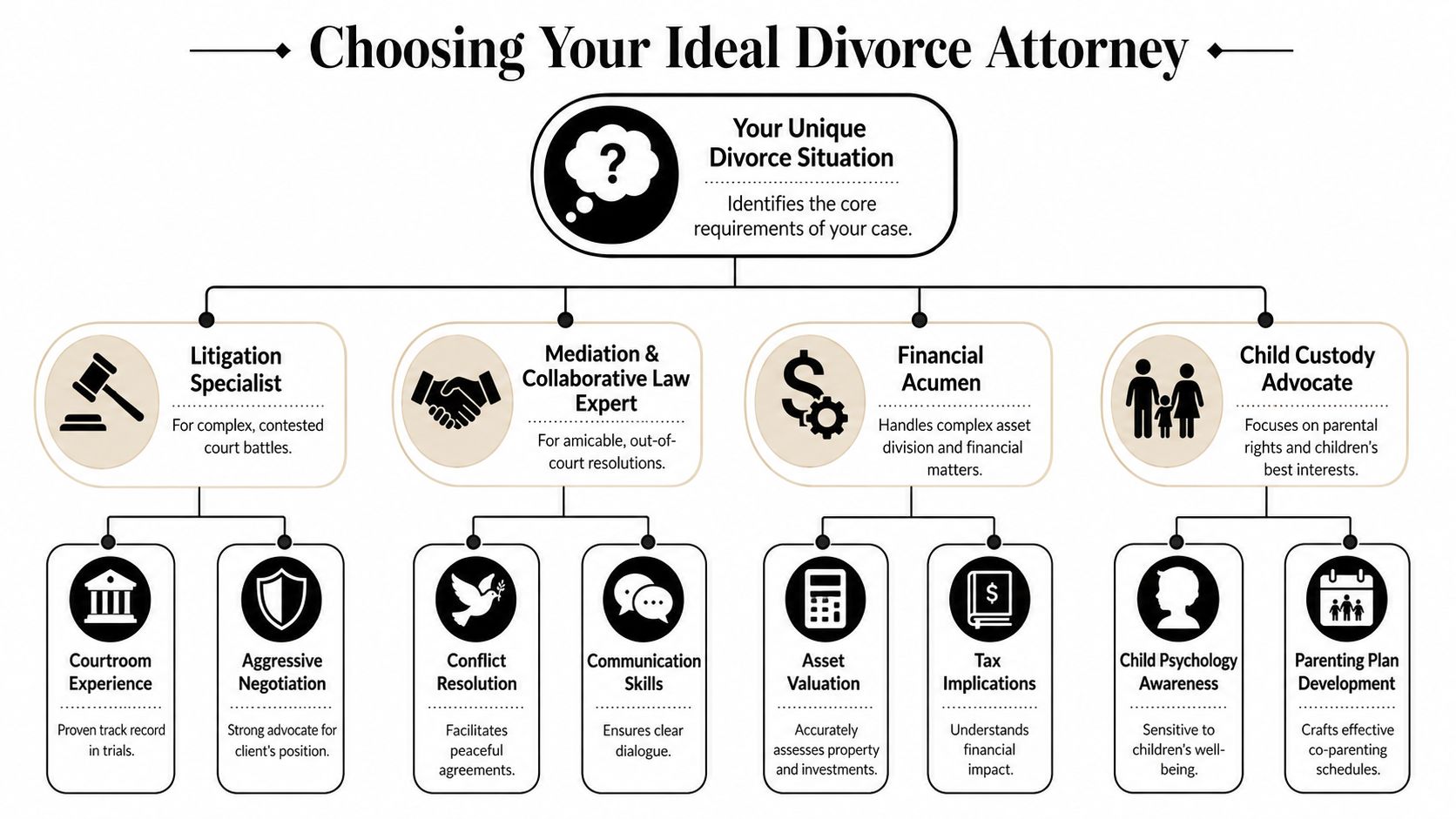
Cases involving children rise or fall on details. A lawyer should be able to discuss conservatorship, possession, exchange logistics, school decisions, medical needs, and the effect temporary orders can have on the final outcome.
Experience in ordinary daily-life terms becomes critical here. If one parent works at the Medical Center on rotating shifts, if a child has therapy appointments, or if a move across Houston would change school pickup and exchange times, the parenting plan has to reflect that reality. Standard language often sounds fine on paper and creates conflict a month later.
Courtroom skill also matters in disputed parenting cases. Some attorneys are effective in settlement conferences but less prepared when a temporary orders hearing turns on witness testimony, text messages, school records, or cross-examination. If parenting issues are likely to be contested, it is reasonable to ask how often the attorney tries those hearings and what facts tend to matter most in Harris County courtrooms.
You may also want to review guidance on contested divorce representation if you already know major terms are disputed.
High-net-worth cases demand financial precision
A high-asset divorce is usually a document case before it becomes a courtroom case. The essential work often involves tracing separate property claims, reviewing account histories, examining compensation structures, valuing business interests, and deciding whether a reimbursement claim is worth pursuing or too expensive to fight over.
That issue comes up often in Houston Heights. A family may own a renovated home with substantial equity, a professional practice, restricted stock, deferred compensation, or investment accounts built over many years. Those assets do not divide themselves cleanly just because both spouses agree the estate is significant.
A few examples show why matching experience matters:
- Business ownership: A company founded before marriage may still create disputes over growth during marriage, retained earnings, and owner compensation.
- Real estate: Title alone does not settle characterization. Purchase date, funding source, refinance history, and improvements all matter.
- Retirement and compensation: Stock grants, pensions, bonuses, and deferred compensation often require close review of when they were earned and how they vested.
A lawyer handling these matters should be comfortable discussing tracing and asset valuation in divorce proceedings, especially when outside financial experts may be needed (asset valuation in divorce proceedings). Good judgment matters here. Sometimes a spreadsheet and clean records are enough. In other cases, a forensic accountant, appraiser, or business valuation expert will save far more than the cost of hiring one.
If you expect complicated financial questions, preparing for a family law attorney consultation before the first meeting can help you present the facts in a way that gets useful advice faster.
Military families need specialized legal knowledge
Military divorce adds rules and timing issues that many civilian families never face. In the Houston area, that can affect filing decisions, service, scheduling, temporary orders, and parenting plans if a deployment or transfer is already on the horizon.
Those cases require more than general familiarity with divorce procedure. A lawyer should understand how military service can affect appearances, deadlines, and practical parenting arrangements. The same goes for questions about jurisdiction, housing allowances, and retirement-related issues that may become part of settlement discussions.
If military service is part of your case, ask direct questions. Has the attorney handled cases involving deployment? Do they know how to address possession schedules when a parent's availability changes with orders? Can they explain how military benefits or retirement issues may affect negotiations?
The best fit is usually the attorney whose past work matches the problems already on your table, not the attorney with the broadest slogan.
What to Ask and What to Bring to Your Consultation
A consultation works best when you treat it as a hiring interview and a fact-gathering session at the same time. You're not there just to hear whether you have a case. You're there to find out how this lawyer thinks, how this office communicates, and whether the proposed strategy fits your goals.
When both parents have counsel, settlement prospects often improve. Research shows that 86% of cases reach settlement when both parents are represented, compared to 63% when only one parent has a lawyer (custody settlement research). That doesn't mean every case should settle at all costs. It means informed representation often creates better structure for negotiation.
Bring enough information to get useful advice
You don't need a perfect binder. Bring what you can, organized in a way that lets the attorney see the shape of the case quickly.
A practical starter set includes:
- Income records: recent pay stubs, bonus information, or income summaries
- Tax documents: recent returns and supporting schedules if available
- Account snapshots: bank, retirement, investment, and credit card statements
- Property list: house, vehicles, business interests, valuable personal property
- Debt list: mortgage, loans, cards, tax debt, or other liabilities
- Court papers: anything you've been served with, if filing has already started
- Child-related information: school schedule, medical needs, current parenting routine
If infidelity concerns have become part of the factual background, clients sometimes ask whether outside factual investigation is appropriate. In limited situations, a resource discussing Sentry Private Investigators discreet help can help you think about evidence collection carefully and lawfully before you act.
For more guidance on getting ready, this overview of a family law attorney consultation is a useful starting point.
Key Questions for Your Attorney Consultation
| Category | Question to Ask |
|---|---|
| Experience | How much of your practice is devoted to Texas family law? |
| Experience | Have you handled cases involving children, business interests, or military service like mine? |
| Strategy | What are the immediate risks you see in my situation? |
| Strategy | Is this case likely to move through negotiation, mediation, temporary orders, or trial preparation first? |
| Communication | Who will be my main point of contact, and how are updates usually handled? |
| Communication | How quickly should I expect responses to routine questions? |
| Fees | How do you bill for work, and what events usually increase cost in a divorce case? |
| Fees | What can I do as a client to keep the case efficient and avoid unnecessary expense? |
| Court process | What does a typical Harris County divorce timeline look like in a case like this? |
| Fit | What kind of client relationship tends to work best with your office? |
Listen for judgment, not just answers
The best answers are usually measured. A seasoned lawyer should be able to tell you what can be done now, what depends on more facts, and where pressure points are.
Be cautious if you hear any of these early on:
- Guaranteed outcomes: No lawyer can promise a result.
- No discussion of documents: Strategy without records is often guesswork.
- Overfocus on revenge: Strong advocacy is useful. Escalation for its own sake usually isn't.
- Vague billing language: If fees aren't explained clearly, misunderstandings often follow.
A consultation should leave you more grounded, even if the news is difficult.
Decoding Attorney Fees and Harris County Court Procedures
A Houston Heights divorce can become expensive for reasons that have little to do with the initial filing. A spouse who owns a closely held business, receives deferred compensation from the Energy Corridor, or serves at a nearby military installation often brings valuation, tracing, or benefit-division issues that require more time and more care. Fees usually rise when the facts are layered, the records are incomplete, or the conflict stays personal instead of becoming focused and documented.

How fee structures usually work
Most divorce cases are billed with an upfront retainer and hourly billing against that amount. The retainer is not the total cost of the case. It is the starting deposit the firm uses as work is performed. Straightforward agreed divorces may stay relatively contained. Contested cases with temporary orders, business records, custody disputes, or military retirement questions rarely do.
What increases fees in Harris County is usually easy to identify once you know what to watch for. Repeated emergency filings, disorganized document production, long email chains about minor issues, and positions that make settlement impossible all add attorney time. By contrast, clients who gather records early, respond promptly, and stay focused on workable outcomes usually spend less and make better strategic decisions.
For a clearer explanation of billing terms and what clients can do to control cost, review this guide to divorce attorney fees.
How Harris County procedure affects cost and timing
Texas courts divide community property in a just and right manner, as noted earlier. That standard leaves room for judgment. In practice, that means the court needs a clear picture of the property, debts, income, and any facts that may support a disproportionate division. In higher-asset Houston Heights cases, the work often centers on records. Bank statements, brokerage accounts, business books, real estate documents, compensation packages, and separate-property tracing can shape both fees and outcome.
Military families face an extra layer. Service schedules can affect hearings, parenting plans, and deadlines. Retirement benefits and federal rules may also affect how a final decree is drafted. These are not side issues. They often determine how much preparation a case needs before settlement talks are productive.
A typical Harris County divorce often follows this sequence:
- Filing and service
- Answer and initial case assessment
- Temporary orders, if support, possession, or property use needs immediate structure
- Discovery, inventories, and document exchange
- Negotiation or mediation
- Final orders by agreement or after trial
That sequence helps clients keep perspective. One court date usually does not resolve everything, and delay does not always mean the case is off track. Sometimes the actual work is happening outside the courtroom, especially in cases involving appraisals, forensic accounting, or detailed parenting arrangements.
This short video gives a helpful overview of how people often think through the divorce process before and during litigation:
Good legal budgeting starts with an honest assessment of the pressure points in your case. A cooperative spouse, complete records, and realistic goals usually produce a very different fee picture than a divorce involving emergency hearings, hidden assets, business valuation disputes, or contested child-related issues.
Your Role in a Successful Attorney-Client Partnership
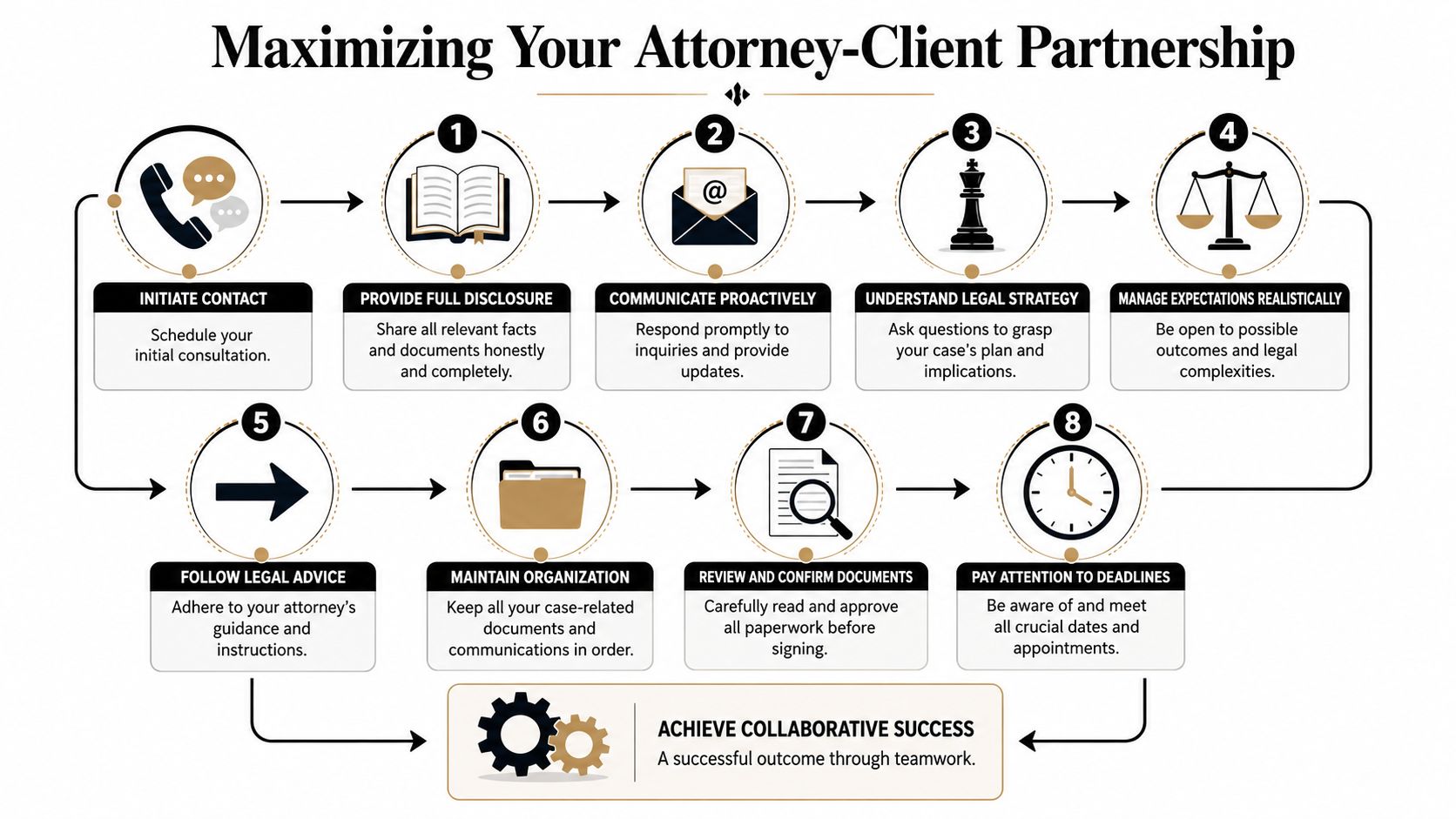
The attorney guides the case, but the client shapes its quality every week. Strong representation works best when the lawyer and client operate as a disciplined team. That means honesty, responsiveness, and a willingness to hear advice that may not always match your first instinct.
The Law Office of Bryan Fagan, PLLC brings together a team with more than 100 years of combined legal experience, which gives clients access to a depth of family law knowledge across straightforward and complex divorce matters. Even with that experience, no lawyer can make up for missing facts, late documents, or decisions made in anger without consultation.
What clients do that helps cases move well
Some client habits consistently improve both efficiency and decision-making:
- Tell the full story early: Bad facts are usually easier to manage when your attorney hears them first, not from the other side.
- Send documents in organized batches: A labeled folder beats a stream of random screenshots.
- Ask before acting: Don't transfer property, change possession routines, or send inflammatory messages without legal advice.
- Stay future-focused: The legal system can address rights and obligations. It can't repair every emotional injury from the marriage.
Where clients unintentionally make things harder
A divorce case often gets more difficult when a client uses the lawyer as a go-between for emotional conflict rather than legal strategy. Another common problem is selective disclosure. If a text thread, account, or prior agreement may matter, hiding it usually causes more damage later.
There's also a practical reality many people don't expect. The strongest legal move is not always the loudest one. Sometimes the smart choice is to press hard for records. Sometimes it's to settle one issue and conserve resources for another that matters more.
Your attorney should bring legal judgment. You should bring facts, priorities, and discipline. That partnership is what moves a case toward a workable result.
For Houston Heights families, that partnership is especially important because these cases often involve overlapping concerns. Parenting schedules, property decisions, school routines, neighborhood continuity, and long-term financial planning all affect one another. When client and counsel stay aligned, the process becomes clearer and less reactive.
If you need help navigating divorce, custody, or estate planning in Texas, contact Law Office of Bryan Fagan, PLLC today for a free consultation.