 Skip to content
If you are researching the requirements to be a sperm donor or wondering what it takes to donate sperm in Houston or elsewhere in Texas, it is important to separate medical standards from actual Texas law. While sperm donation is carefully regulated, most eligibility requirements come from federal health regulations and clinic policies, not Texas-specific statutes. Texas law primarily addresses legal parentage and consent in assisted reproduction.
Understanding how these pieces fit together helps prospective donors make informed decisions and ensures recipients are legally protected.
Understanding How Sperm Donation Is Regulated in Texas
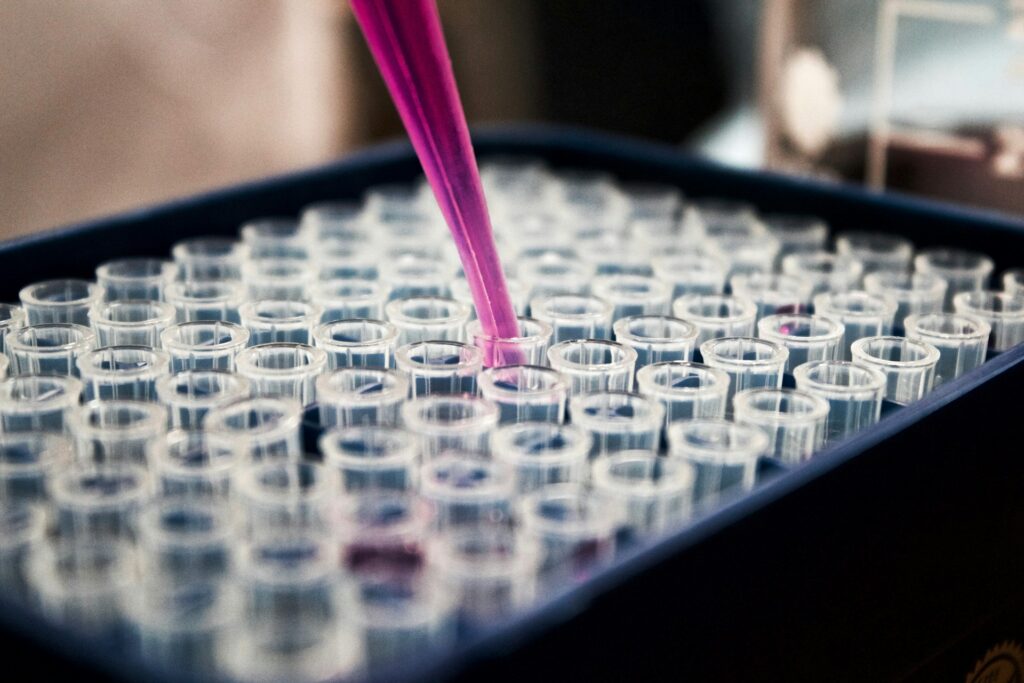
Sperm donation in Texas is not governed by a single state-issued checklist. Instead, it operates within a layered regulatory structure that combines federal safety rules, professional medical standards, and Texas family law protections. Anyone researching the requirements to be a sperm donor or planning to donate sperm in Houston should understand how these systems work together.
The Three Primary Regulatory Frameworks
Sperm donation in Texas operates under three primary frameworks:
- Federal FDA regulations governing infectious disease screening and human tissue donation
- Professional medical guidelines, such as those from the American Society for Reproductive Medicine (ASRM)
- Texas parentage laws governing assisted reproduction and donor rights
Federal law plays a central role in safety oversight. The U.S. Food and Drug Administration regulates sperm as human tissue, requiring infectious disease testing, donor screening, quarantine procedures, and recordkeeping before samples can be released for use in fertility treatment.
Professional organizations like ASRM establish widely adopted medical and ethical standards. These guidelines influence genetic screening protocols, psychological evaluations, donor eligibility criteria, and best practices for protecting recipients and offspring. While not statutes, reputable sperm banks closely follow these recommendations.
What Texas Law Actually Covers
Texas law focuses primarily on legal parentage rather than medical eligibility. The Texas Family Code clarifies that a donor who provides sperm through a licensed physician for assisted reproduction is generally not considered the legal parent of any resulting child. This legal protection depends on proper medical handling and written consent documentation.
Importantly, Texas does not publish a detailed statutory checklist of the requirements to be a sperm donor. Instead, sperm banks and fertility clinics establish eligibility standards consistent with federal regulations, medical best practices, and Texas parentage law.
Basic Eligibility Requirements to Be a Sperm Donor

Before focusing on medical testing and legal documentation, prospective donors must first meet baseline eligibility criteria. While Texas law requires donors to be legal adults, most of the practical requirements to be a sperm donor are set by sperm banks and fertility clinics. These standards are designed to protect recipients, reduce genetic risk, and ensure compliance with federal health regulations.
Minimum Age and Legal Capacity
To donate sperm in Texas, a donor must be at least 18 years old to legally provide informed consent. Texas statutes do not establish a maximum age for sperm donation. However, most sperm banks impose upper age limits, typically between 39 and 45 years old, due to concerns about declining sperm quality and increased genetic mutation risk associated with advancing paternal age.
Donors must also be legally competent to sign binding consent forms and waive parental rights under Texas assisted reproduction laws.
Health Standards and Medical History
Sperm banks apply rigorous health screening standards before approving a donor. These are not specifically mandated by Texas statute but are widely required by clinics following federal regulations and medical guidelines.
In addition to current health, donors must disclose detailed family medical histories to help identify potential hereditary risks. Below is a summary of the typical baseline eligibility standards used by Texas sperm banks.
| Eligibility Category | Requirement | Purpose |
|---|---|---|
| Minimum Age | At least 18 years old | Ensures legal capacity to provide informed consent |
| Maximum Age (Clinic-Based) | Commonly 39–45 years old | Reduces risks related to sperm quality and genetic mutation |
| General Physical Health | Good overall health with no serious chronic illnesses | Promotes healthy reproductive outcomes |
| Infectious Disease Risk | No high-risk exposure to communicable diseases | Protects recipients and offspring from transmission |
| Hereditary Conditions | No significant known genetic disorders in personal or family history | Minimizes inherited health risks |
| Medical History Disclosure | Comprehensive personal and multigenerational family medical history | Allows clinics to assess long-term health considerations |
| Lifestyle Factors | Limited tobacco use, controlled alcohol use, no illicit drug use | Supports sperm quality and donor reliability |
These eligibility standards serve as the first screening layer. Meeting them does not guarantee acceptance, but failure to meet them will typically result in disqualification before laboratory testing begins.
Federal Screening and Testing Requirements
Anyone who plans to donate sperm in Houston or elsewhere in Texas through a licensed clinic must comply with federal regulations governing human cells and tissue products. The U.S. Food and Drug Administration regulates sperm donation under tissue donation rules to protect recipients from communicable disease transmission.
These federal safeguards apply nationwide and are separate from Texas parentage law. Clinics must follow strict screening, testing, quarantine, and documentation procedures before donor sperm can be released for clinical use.
Infectious Disease Testing
Federal regulations require extensive infectious disease screening before a donor is approved. This typically includes:
- HIV type 1 and type 2 testing
- Hepatitis B surface antigen and core antibody testing
- Hepatitis C antibody testing
- Syphilis testing
- Gonorrhea and chlamydia screening
- Human T-lymphotropic virus (HTLV) testing in certain cases
- Review of travel history and risk factors for communicable diseases
In addition to laboratory testing, donors must complete a detailed risk assessment questionnaire covering sexual history, drug use, recent tattoos or piercings, and other exposure risks.
Sperm samples are typically:
- Collected and cryopreserved
- Placed in quarantine for a designated period
- Retested after quarantine before being cleared for release
This multi-step process ensures compliance with federal safety standards.
Genetic Screening
While Texas law does not mandate specific genetic panels, most reputable sperm banks conduct genetic carrier screening consistent with professional medical guidelines.
Common components of genetic screening include:
- Carrier testing for cystic fibrosis
- Screening for spinal muscular atrophy
- Hemoglobinopathy screening (such as sickle cell trait)
- Expanded carrier panels covering dozens or hundreds of genetic conditions
- Review of multigenerational family medical history
The goal is to reduce the risk of passing inheritable genetic conditions to offspring.
Psychological Evaluation
Although not required by Texas statute, many clinics include psychological screening as part of their donor qualification process. This may involve:
- Mental health history review
- Assessment of motivation for donation
- Discussion of long-term identity considerations
- Evaluation of understanding of parental rights waiver
Psychological screening helps ensure donors are emotionally prepared and fully informed about the long-term implications of sperm donation.
Together, these federal screening and testing requirements form one of the most critical components of the overall requirements to be a sperm donor, particularly for individuals seeking to donate sperm in Houston through licensed medical facilities.
Texas Law on Parentage and Donor Rights

When discussing the requirements to be a sperm donor, one of the most important considerations is not medical but legal. Texas law focuses heavily on defining parental rights and responsibilities in assisted reproduction. While federal regulations govern health screening, the Texas Family Code determines whether a donor has any legal relationship to a resulting child.
Understanding these legal boundaries is especially important for anyone considering whether to donate sperm in Houston or elsewhere in Texas.
Donor Not Considered Legal Parent
Under the Texas Family Code, a sperm donor who provides genetic material to a licensed physician for use in assisted reproduction is generally not considered the legal parent of any resulting child.
This legal protection applies when:
- The sperm is provided for assisted reproduction
- The procedure is performed under the supervision of a licensed physician
- Proper documentation and consent requirements are followed
When these conditions are met, the donor typically has:
- No parental rights
- No decision-making authority
- No custody rights
- No obligation to pay child support
However, informal or private arrangements can create legal risk. If sperm is provided outside of a licensed medical setting or without proper documentation, a court may evaluate parentage differently. Known-donor situations that bypass medical supervision can complicate legal protections and increase the risk of future disputes.
Written Consent and Agreements
Written consent documents are a critical component of compliance with Texas parentage law. Clinics require donors to sign legally binding agreements before any donation occurs.
These agreements typically clarify:
- The donor waives all parental rights
- The donor will not seek custody or visitation
- The donor has no financial support obligations
- The donor understands the limits of anonymity or identity-release arrangements
These written agreements help ensure the assisted reproduction process complies with Texas law and provides clarity for all parties involved. Without proper documentation, legal uncertainty can arise, particularly in private donation scenarios.
For individuals reviewing the requirements to be a sperm donor, understanding these legal protections is just as important as meeting medical eligibility standards. Proper procedure and documentation are what secure the donor’s legal protection under Texas law.
Sperm Quality and Donation Standards
Although Texas statutes do not define specific sperm quality thresholds, fertility clinics and sperm banks apply strict laboratory standards before approving a donor. These standards are based on medical research and professional guidelines designed to maximize the likelihood of successful fertilization and healthy pregnancy outcomes. Meeting the general requirements to be a sperm donor includes demonstrating consistent sperm quality over multiple samples, not just a single qualifying result.
Sperm Count and Motility
Donors must produce semen samples that meet minimum laboratory benchmarks for sperm concentration, motility, and morphology. Sperm count refers to the number of sperm per milliliter of semen, while motility measures how effectively sperm move, and morphology evaluates the shape and structure of the sperm. Clinics typically require above-average parameters compared to general population standards, since samples may be frozen and thawed before use, which can reduce viability. If a donor’s samples consistently fall below clinic thresholds, he may be disqualified even if he meets all other eligibility criteria.
Lifestyle Factors
Lifestyle plays a significant role in sperm health, and clinics evaluate these factors carefully. Diet, body weight, exercise habits, sleep quality, and stress levels can all affect sperm production and quality. Tobacco use, recreational drug use, anabolic steroids, and excessive alcohol consumption commonly result in disqualification. Certain prescription medications, recent tattoos or piercings, and high-risk travel history may also temporarily or permanently affect eligibility. For individuals considering whether to donate sperm in Houston or elsewhere in Texas, maintaining a stable, healthy lifestyle is often essential to meeting clinic-based quality standards.
Compensation and Expenses
Texas law permits compensation for sperm donation, and most licensed sperm banks provide payment to approved donors. The amount varies by clinic and may depend on factors such as donor qualifications, consistency of sample quality, and frequency of donation. Compensation is typically structured as payment per approved sample, and donors are often required to commit to multiple donations over a period of time. Clinics clearly outline payment terms in advance so donors understand expectations and eligibility requirements.
It is important to understand that compensation is provided for the donor’s time, effort, and inconvenience, not in exchange for parental rights. Donors are not selling parental status or custody interests. In addition to direct compensation, clinics may reimburse certain related expenses, such as travel costs, parking, required medical evaluations, or laboratory visits. Clear documentation and written agreements ensure that compensation arrangements comply with legal and ethical standards while maintaining the donor’s limited legal role under Texas law.
Donor Anonymity and Identity Release
Texas law does not require sperm donors to remain anonymous, nor does it require identity disclosure to offspring. Instead, anonymity and identity-release terms are determined by sperm bank policy and the contractual agreements signed by the donor and recipient. The Texas Family Code focuses on parentage and legal status, not privacy structure. As a result, the specifics of whether identifying information may ever be shared are handled through private agreement rather than statutory mandate.
Some donors choose to remain permanently anonymous, meaning their identifying information is not released to recipients or resulting children. Others participate in identity-release programs, which allow a child conceived through donation to request identifying information once they reach adulthood. These arrangements are clearly outlined in donor contracts before any donation occurs. For anyone reviewing the requirements to be a sperm donor or considering whether to donate sperm in Houston, understanding these privacy options is important, as they can carry long-term personal and emotional implications.
The Donation Process Step by Step
For individuals researching the requirements to be a sperm donor, understanding the step-by-step process helps set realistic expectations. While procedures may vary slightly by clinic, most licensed sperm banks in Texas follow a structured screening and approval pathway.
| Step | Stage | What It Involves |
|---|---|---|
| 1 | Application | Prospective donors complete an initial application providing personal background, education history, physical characteristics, lifestyle information, and detailed medical and family health history. |
| 2 | Initial Screening | Qualified applicants undergo a preliminary health review and semen analysis to evaluate sperm count, motility, and overall viability. Not all applicants move past this stage. |
| 3 | Comprehensive Testing | Approved candidates complete infectious disease testing under federal FDA rules, genetic carrier screening, and sometimes psychological evaluation to confirm medical and emotional suitability. |
| 4 | Legal Documentation | Donors sign consent forms and contractual agreements clarifying parental rights waiver, compensation terms, and identity-release status in compliance with Texas law. |
| 5 | Ongoing Donations | Once fully approved, donors provide semen samples at scheduled intervals. Samples are cryopreserved, quarantined, and retested before being released for clinical use. |
Risks and Considerations
Sperm donation is generally considered a low-risk medical activity, particularly when performed through a licensed sperm bank that follows federal safety standards. However, individuals evaluating the requirements to be a sperm donor should carefully consider both practical and long-term implications before committing. While the physical risks are minimal, the process involves medical screening, legal agreements, and potential future identity questions that should not be overlooked.
Donors should consider:
- Time commitment
Approved donors are often expected to provide samples regularly over several months. - Medical testing requirements
The screening process includes blood draws, infectious disease testing, and genetic evaluations. Although routine and generally safe, these procedures require compliance and ongoing monitoring. - Potential emotional implications
Even without legal parental rights, some donors reflect on the possibility of biological offspring existing in the future. Understanding this emotional dimension is important before proceeding. - Long-term identity considerations
If participating in an identity-release program, donors should consider the possibility that a child conceived through donation may seek contact years later.
When donation occurs through a reputable, licensed facility, proper medical oversight and legally sound agreements significantly reduce risk. Taking the time to understand these considerations ensures informed participation and long-term peace of mind.
Sperm Donation and LGBTQ+ Families
Sperm donation plays an important role in helping single parents and LGBTQ+ couples build families in Texas. For many intended parents, donor sperm provides a pathway to biological parenthood through procedures such as IUI or IVF. Clinics across Texas, including those assisting individuals who wish to donate sperm in Houston, regularly support diverse family-building goals.
Texas assisted reproduction laws provide legal clarity when donation occurs through a licensed physician. With proper consent and medical supervision, the donor is generally not considered the legal parent of the child. This legal framework protects intended parents and reduces the risk of future disputes, making compliance with medical and written requirements essential.
Final Thoughts on the Requirements to Be a Sperm Donor in Texas
Understanding the requirements to be a sperm donor means recognizing the distinction between federal health regulations, clinic standards, and Texas parentage law. While Texas does not impose a detailed statutory checklist, legal protections depend on proper medical procedures and written agreements.
If you are considering whether to donate sperm in Houston or elsewhere in Texas, working with a reputable licensed clinic ensures compliance with federal screening rules and Texas legal protections. Taking this informed approach protects you, the recipients, and any future child while making a meaningful difference in someone’s path to parenthood.
Other Related Articles:
- Are You Eligible to Adopt a Child in Texas?
- Adoption and Sperm Donation in Texas
- What is Section 71.004 in the Texas Family Code?
- CPS Adoption Representation in Texas
- How is an adoption order from a foreign country treated in conjunction with a CPS case?
- Adoption in Texas: An A-Z explanation for parents
- Pre-adoptive social studies: What will yours look like and what should you expect
- Texas Family Law Courts: Adoption and Modification Cases
- 15 Simple (But Important) Things To Remember About Texas Adoption Cases And Lawyers
- What Are the Steps in International Adoption?
Frequently Asked Questions
To meet the basic requirements to be a sperm donor, you must be at least 18 years old and legally able to provide informed consent. Most clinics also require strong physical health, no significant hereditary conditions, and compliance with federal infectious disease screening rules. While Texas law focuses primarily on parentage protections, sperm banks impose additional medical, genetic, and lifestyle standards before approving donors.
Generally, no. Under the Texas Family Code, a donor who provides sperm through a licensed physician for assisted reproduction is not considered the legal parent of any resulting child. This means you typically have no custody rights, visitation rights, or child support obligations. However, informal or private arrangements outside a clinical setting can create legal risks, so proper medical and legal documentation is essential.
Texas law does not require either anonymity or identity disclosure. Whether you remain anonymous or participate in an identity-release program depends on the sperm bank’s policies and the contract you sign. Some donors choose permanent anonymity, while others agree that identifying information may be released to offspring once they reach adulthood.
Compensation varies by clinic, but donors are typically paid per approved sample. Payment is for your time and inconvenience, not for parental rights. Clinics may also reimburse certain related expenses such as travel or required medical visits. All compensation terms are clearly outlined in written agreements before donation begins.


