
Are divorces public record in Texas? What everyone gets wrong is how far public access reaches once court documents are filed. Many believe their divorce information will remain hidden or sealed by default. In Texas the legal system works quite the opposite. Most divorce filings and court records become part of the public domain unless someone actively requests otherwise. This misunderstanding often leads to unpleasant surprises.
Knowing what becomes public and what remains private is essential for protecting your future. Let’s examine how Texas law handles divorce records and what people often overlook.
Understanding Public Records in the Texas Legal System
Texas operates on the principle that court documents belong to the public. This principle ensures transparency across judicial proceedings. Divorce cases like most civil matters fall under this umbrella. When someone files for divorce the case creates a record in the district or county clerk’s office. That record contains basic information such as names, filing dates and case numbers. In most cases it also includes the final divorce decree. These documents are not sealed by default. Unless someone asks the court to restrict access, the public may request to view or obtain copies of these files. This openness is intentional and grounded in state law.
What the Public Can Typically Access
Understanding what becomes public helps prevent confusion. The details released in a divorce case can vary but some components are usually available. The names of the parties are almost always visible. So are court dates, motions filed and the outcome of the divorce decree. This decree often outlines custody arrangements, property division and spousal support terms. These records are stored by the court clerk. In many Texas counties they are also available online. The process for requesting them is straightforward. Many individuals don’t realize this until long after their divorce has concluded.
This is a central point in the broader confusion surrounding the question: Are divorces public record in Texas? What everyone gets wrong is assuming the court protects personal information automatically.
| Type of Information | Public Accessibility |
| Names of both parties | Yes – typically included in case indexes and filings |
| Case number and court location | Yes – always part of the public record |
| Filing date and case status | Yes – available through court clerk or online database |
| Final divorce decree | Yes – includes property division, custody, and support orders |
| Motions and pleadings | Yes – unless sealed by court |
| Social Security numbers | No – protected and redacted |
| Names of minor children | No – typically redacted or omitted |
| Sensitive financial information | No – may be redacted or sealed upon request |
Safeguarding Sensitive Personal Information
Although many details in a divorce record are open to the public, Texas law does offer limited privacy protections. Certain personal data is excluded from public access to help protect the safety and identity of the parties involved. Social Security numbers, driver’s license numbers and bank account information are generally redacted or removed. Additionally, the names of minor children are not published in most public court filings.
In cases involving family violence judges may go a step further. Protective orders and sealed records are used to ensure the safety of vulnerable parties. But these protections are not automatic. The court must find a compelling reason to seal or restrict public access. For anyone hoping to keep sensitive matters private proactive legal steps must be taken early in the process.
The Growing Impact of Digital Court Systems
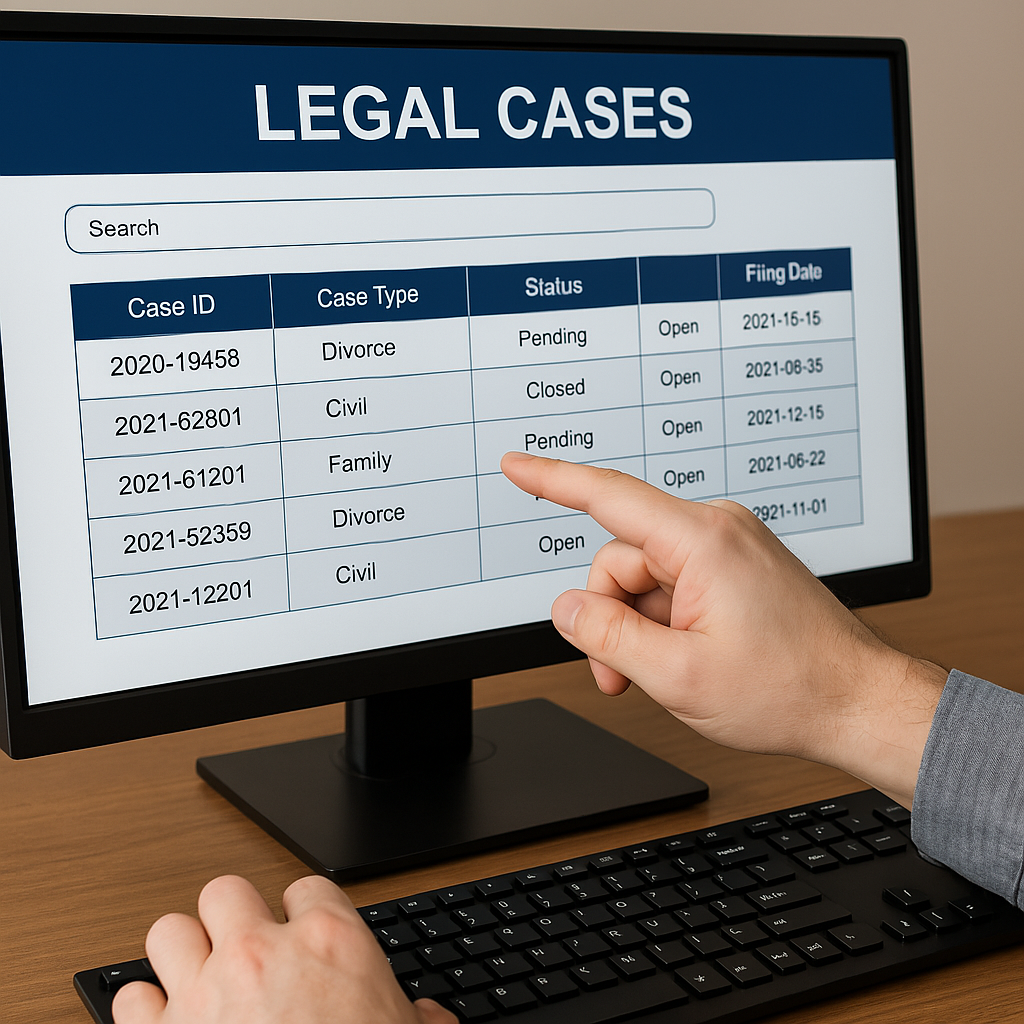
Years ago public records required in-person visits to the courthouse. Today technology makes things far more accessible. Many Texas counties now offer searchable online portals for court records, including divorces. This digital shift improves convenience. But it also increases the risk of personal information reaching unintended audiences. Anyone with internet access can search public court databases. A name, case number or filing date is often enough to pull up divorce records.
Because of this parties involved in a divorce must be cautious about what is included in court filings. Financial statements, allegations or private conversations submitted as evidence can become part of a permanent public file. This highlights the need for strategic decision-making during the case. Once something becomes part of the record it may be very difficult to remove or redact.
Sealing Divorce Records in Texas
While the public has access to most court documents there are legal pathways to request privacy. In Texas individuals can file a motion to seal all or part of a divorce record. This motion must clearly demonstrate that public access to the record would cause significant harm. Harm can include threats to safety, reputational damage or the risk of identity theft. The court then decides whether sealing is justified.
Judges consider these requests carefully. Texas law prioritizes public access unless a compelling reason exists. Even when a record is sealed some information may still appear on the docket such as the case number or general case type. For many this means that sealing is not a guaranteed way to protect privacy. It’s a legal tool that must be used wisely and with full awareness of its limits.

How Employers and Institutions Use Public Records
Another overlooked reality is how divorce records affect life outside the courtroom. Background checks conducted by employers, lenders or landlords often include public record searches. If a divorce decree or court order includes certain language it may influence hiring or financial decisions. This is why the topic remains so important. Are divorces public record in Texas? What everyone gets wrong is assuming the impact ends when the case ends. In truth, the effects may follow you for years.
Some people try to avoid listing personal addresses or details in public records to limit exposure. Others work with attorneys to craft generalized language in court documents. These strategies can help but they require advance planning.
Preventing Oversharing in Legal Filings
One major risk during a divorce is over-disclosing information. Litigants often file motions, letters or financial disclosures with too much detail. Once submitted these become part of the public record. Even if the parties settle the case privately, previously filed documents remain visible. For this reason attorneys often advise clients to limit personal or emotional language in pleadings. Stick to facts. Avoid inserting text messages, emails or photos unless necessary. This disciplined approach to documentation can reduce long-term privacy risks. Every statement made in a court filing should be treated as potentially permanent and accessible.
Why the Law Favors Public Access
The idea of open court records may seem intrusive. But it serves a vital function in the legal system. Public records hold courts accountable. They allow citizens to review legal proceedings, appeal unfair decisions and monitor judicial conduct. This transparency builds trust in the system. It ensures that legal standards are applied fairly and consistently. Still, this legal tradition causes confusion. When people ask, Are divorces public record in Texas? What everyone gets wrong is thinking the system automatically grants confidentiality. The default rule is openness. Privacy must be earned through legal argument and judicial approval.
Exploring Alternative Legal Options
In some situations couples may explore private dispute resolution methods. Mediation and collaborative divorce offer less formal alternatives. These options reduce the need for public court filings. However, if the couple still requires a final court order even mediated agreements must be submitted to a judge. That judgment becomes part of the public record unless a motion to seal is filed and granted. Private options can reduce exposure. But they don’t eliminate it entirely. Anyone pursuing these routes should still speak with their attorney about how to limit public disclosure.
Planning Ahead for Future Protection
The best way to manage public record exposure is to plan ahead. Early in the divorce process discuss privacy concerns with your attorney. Ask what documents will be filed and how they can be worded to reduce risk. Consider requesting a protective order or redactions for sensitive content. Use general terms whenever possible. Be strategic about what you submit to the court. Small choices early in the process can protect your reputation and safety later. Once a court accepts a document into the file, changing it becomes much more difficult. This long-view mindset is critical. It prevents mistakes that are hard to reverse.
Misconceptions About Access and Control
Some people believe they can prevent others from seeing their divorce records just by asking. But courts don’t grant privacy based on preference. They require proof that disclosure would cause harm. Another misconception is that only involved parties can request records. In Texas any member of the public can submit a request. This includes journalists, employers or unrelated third parties. This legal openness often shocks those unfamiliar with the court system. Are divorces public record in Texas? What everyone gets wrong is assuming these documents are hidden unless someone digs deeply. In reality they are often just a few clicks away.
Final Considerations Before Filing
Before filing for divorce, understand what becomes part of the official record. Know what options exist for sealing, redacting or limiting the exposure of private data. Avoid emotional filings. Work closely with your attorney to ensure documents are clean, factual and free from unnecessary details. Treat each filing as if it could one day be read by a stranger. This proactive approach helps reduce regret and protects your privacy in the long term. Remember, court records don’t disappear once the case ends. They remain part of your legal footprint.

In Summary: A Clearer Path Forward
Court systems in Texas are designed for public accountability. The foundation of this system rests on transparency, giving the public access to legal proceedings and judicial outcomes. Divorce cases, like other civil matters, are no exception. When a divorce is filed it generates a legal record that becomes part of the court’s archives. Unless a specific motion is filed and approved by a judge that record remains accessible to anyone who requests it. This public nature of divorce records serves the purpose of trust and oversight but can unintentionally expose sensitive personal information if not handled with caution.
Understanding this reality allows individuals to take proactive steps before, during and after their divorce proceedings. Strategic planning can make a significant difference in controlling what becomes part of the public record. For instance, working closely with an attorney to minimize unnecessary details in filed documents, using general language instead of specifics and exploring legal tools like redaction or sealing can provide meaningful layers of protection. These legal options, while not guaranteed, are often underutilized simply because people are unaware they exist.
By understanding the rules
And planning accordingly, individuals can reduce unnecessary exposure. They can still fulfill legal requirements without compromising their future. It’s about making informed choices, asking the right questions early and being mindful of the long-term implications of every court filing. With the rise of online access to court databases, protecting personal data is more critical than ever. Are divorces public record in Texas? What everyone gets wrong is believing that privacy is the default. It isn’t. But with knowledge and preparation, control is still within reach. By acting early and intentionally people can navigate the legal system with clarity, confidence and a greater sense of control over their personal information.
Other Related Articles:
- Texas Divorce Records: How To Look Them Up and What To Expect
- Breaking Down the Steps of How To Find Divorce Records In Texas
- The Complete Guide to Navigating Divorce Records In Texas
- Breaking Down the Steps of Are Divorce Records Public In Texas
- The Beginner’s Guide to Public Divorce Records In Texas
- Legal Implications of Accessing Texas Divorce Records Online
- How to Access Divorce Records in Texas
- Love, Law, and Liberation: Fort Bend Divorce Records!
- Understanding the DFPS Records Request Process for Texas Divorce Cases
- How to Get a Copy of Your Divorce Decree in Texas: Everything You Need to Know