Skip to content

When parents ask, can CPS lie about drug test results? or more broadly, can CPS lie to you, the question usually comes from fear, confusion, or frustration during a CPS investigation. In Texas, Child Protective Services does not have legal authority to falsify or manipulate drug test results. However, misunderstandings, testing errors, and procedural issues can occur. Knowing the difference between unlawful misconduct and human error is critical if you are involved in a CPS case.
Let’s walk through what Texas law actually says, how drug testing works, and what you can do if you believe something is wrong.

CPS Authority and Legal Boundaries in Texas
In Texas, CPS operates under the Texas Department of Family and Protective Services and is governed primarily by the Texas Family Code. The agency’s authority is not unlimited. It is defined and restricted by statute, court oversight, and constitutional safeguards.
CPS investigators are government employees. That means their actions are subject to multiple layers of legal control. They must follow:
- Texas statutory law
- Constitutional due process protections under the U.S. and Texas Constitutions
- DFPS internal policies and procedures
- Texas Rules of Evidence when cases reach court
When CPS seeks court involvement, judges review the agency’s actions. Parents are entitled to notice of hearings, the opportunity to be heard, and the right to challenge evidence presented against them. Drug test results introduced in court must meet evidentiary standards, including reliability and proper chain of custody.
There is no provision in Texas law that allows CPS to fabricate evidence, alter laboratory findings, or intentionally misrepresent drug test results. If a caseworker were to knowingly falsify information, that could result in:
- Administrative discipline or termination
- Internal DFPS investigation
- Civil liability in certain circumstances
- Potential criminal exposure for tampering with governmental records
In other words, CPS does not have lawful authority to lie about drug test results. Any intentional falsification would fall outside the scope of permitted conduct.
That said, disputes can arise. Drug testing involves laboratories, documentation, and interpretation of scientific data. Errors may occur due to testing limitations, clerical mistakes, prescription medication interference, or simple miscommunication. When questions arise, Texas courts provide a structured process for reviewing and challenging those results.
How Drug Testing Works in Texas CPS Cases
In Texas CPS cases, drug testing may occur during an initial investigation, as part of a safety plan, during ongoing court proceedings, or pursuant to a court order requiring compliance. In most situations, testing is performed by independent, third-party laboratories rather than by CPS caseworkers themselves. The labs follow formal chain-of-custody procedures that document how the sample is collected, labeled, stored, transported, and analyzed to help ensure accuracy and integrity. This documentation becomes especially important if the results are later challenged in court, as judges may review whether proper procedures were followed before relying on the findings.
The following table outlines the most common drug testing methods used in Texas CPS cases, along with their general detection windows, strengths, and limitations.
| Drug Testing Method | Detection Window | Strengths | Limitations |
|---|---|---|---|
| Urine Test | 1–7 days (varies by substance) | Most common, cost-effective | False positives possible due to medications |
| Hair Follicle Test | Up to 90 days | Long detection window | Possible environmental contamination |
| Saliva Test | Up to 72 hours | Non-invasive | Short detection period |
| Blood Test | Very short window | Highly accurate for current use | Invasive and expensive |
Each method has scientific limitations. A positive test does not automatically prove impairment or parental unfitness without additional context.
Voluntary vs. Court-Ordered Testing and Your Rights
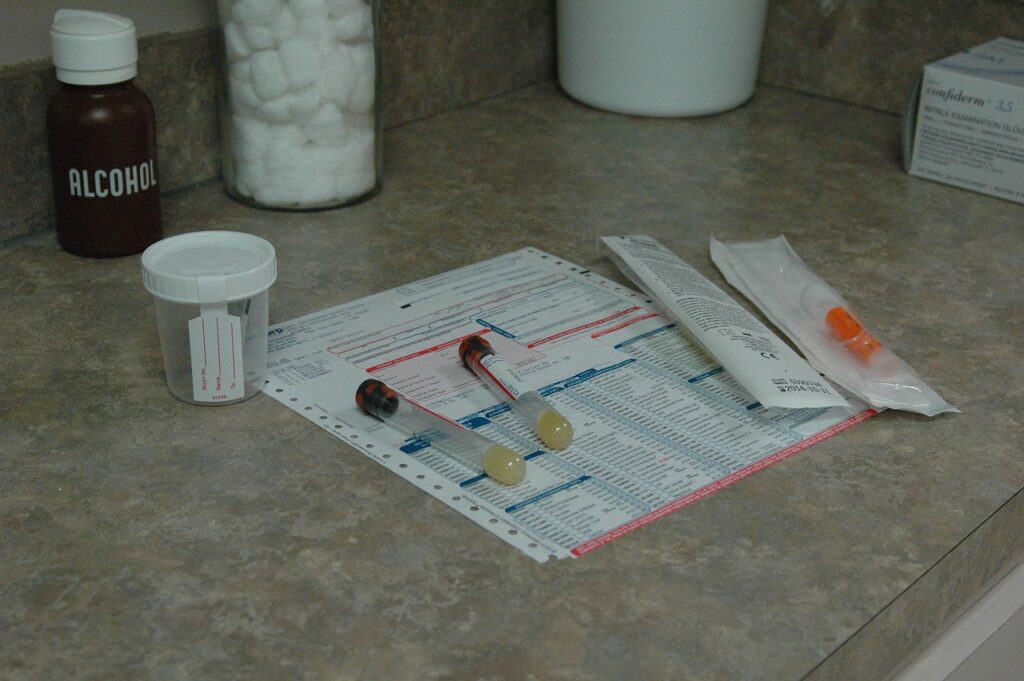
Understanding whether a drug test is voluntary or court-ordered is critical in any Texas CPS case. Your legal options, risks, and obligations differ depending on the source of the request. The distinction can affect both the investigation and any court proceedings that follow.
Voluntary Testing
During an investigation, CPS may ask a parent to submit to drug testing without first obtaining a court order. In most situations, parents have the legal right to decline voluntary testing. However, refusal may be considered by CPS when assessing child safety concerns, and the agency could seek a court order if it believes testing is necessary to evaluate risk.
Before agreeing to voluntary testing, parents should understand that results may become part of the CPS file and could later be introduced in court. While cooperation can sometimes demonstrate willingness to address concerns, parents are not required by law to consent absent a court order. Consulting with an attorney before making that decision is often advisable.
Court-Ordered Testing
If a Texas judge orders drug testing under the authority of the Texas Family Code, compliance is mandatory. A court order carries legal force, and refusal may result in consequences such as contempt proceedings or adverse findings in the case. Courts may interpret noncompliance as a failure to cooperate with efforts to ensure the child’s safety.
When testing is court-ordered, procedural safeguards apply. Results must still meet evidentiary standards if introduced in hearings, and parents retain the right to challenge the reliability or admissibility of those results.
If your case is before a judge, Texas Rules of Evidence apply. Courts examine whether proper chain-of-custody procedures were followed, whether the testing methodology is reliable, and whether the results are relevant to the child’s safety and best interests.
Why Drug Test Results Get Disputed
When parents ask whether CPS lied about a drug test result, the dispute often stems from confusion about how testing works rather than intentional wrongdoing. Drug testing involves multiple steps, including collection, labeling, transportation, laboratory screening, and confirmation analysis. At any stage, technical or procedural issues can raise questions about accuracy.
Most challenges to CPS drug test results arise from issues such as:
- Laboratory error
- Sample contamination
- Chain-of-custody mistakes
- Prescription medication interference
- Misidentification
- Miscommunication about findings
Initial screening tests are designed to detect possible substances quickly, but they are not always definitive. False positives can occur, particularly when certain prescription medications, over-the-counter drugs, or even specific foods interfere with the screening process. For that reason, reputable laboratories use confirmatory testing methods, such as gas chromatography or mass spectrometry, to verify results before issuing a final report.
Understanding the scientific and procedural aspects of drug testing is essential. In many Texas CPS cases, concerns about results are resolved by reviewing laboratory documentation, verifying prescriptions, or obtaining confirmatory testing rather than assuming intentional falsification.
Can CPS Lie to You During an Investigation?
Parents also ask, can CPS lie to you? In Texas, CPS investigators must operate within clear legal and ethical boundaries. They cannot fabricate evidence, falsify official reports, intentionally misrepresent laboratory findings, or provide false testimony in court. If a caseworker knowingly makes false statements in sworn documents or during judicial proceedings, that conduct can be challenged through the court process and may result in disciplinary action, credibility issues, or other legal consequences.
That said, there is an important distinction between unlawful falsification and lawful investigative techniques. Investigators may use strategic questioning, ask difficult or repetitive questions, or withhold certain details early in an investigation while gathering information. These tactics are not the same as fabricating evidence. If you believe statements made by CPS contradict written reports, court filings, or documented evidence, it is important to review the records carefully and consult legal counsel promptly to protect your rights under Texas law.
What Texas Courts Actually Consider

When drug use is alleged in a CPS case, Texas courts do not rely on a single accusation or isolated test result. Judges are required to evaluate evidence carefully and apply the legal standards set out in the Texas Family Code. The focus is always on child safety and whether statutory grounds for court intervention have been proven.
In drug-related allegations, courts typically examine:
- Reliability of testing methods
- Compliance with proper procedures
- Impact on the child’s safety
- Evidence of rehabilitation or treatment
- The child’s best interests
A positive drug test alone does not automatically terminate parental rights. Under Texas law, termination requires clear and convincing evidence of specific statutory grounds and a separate finding that termination is in the child’s best interest. Judges look at the full picture, including patterns of behavior, compliance with services, stability of the home, and efforts toward treatment or recovery. In short, one test result may raise concerns, but it is rarely the sole determining factor in the outcome of a CPS case.
Final Thoughts: Can CPS Lie About Drug Test Results?
So, can CPS lie about drug test results? Under Texas law, they do not have legal authority to falsify or manipulate evidence. However, errors, disputes, and misunderstandings can happen. Parents have the right to question, review, and challenge questionable results. And if you are wondering more broadly, can CPS lie to you, the law requires investigators to act within strict legal and ethical standards. If you suspect inaccuracies or misconduct, informed action is the key — not panic.
Understanding your rights, the science behind drug testing, and the legal framework in Texas can protect both you and your family when facing CPS involvement.

Other Related Articles:
- Does CPS Drug Test for Weed
- Will CPS Drug Test on First Visit
- The Significance of CPS Drug Test Results
- Texas CPS Drug Testing: Protocols, Rights, and Resources Demystified
- CPS Drug Testing at Home in Texas: Legal Procedures and Implications
- CPS drug testing law texas
- Understanding the CPS Drug Testing Process
- CPS Drug Testing Procedures
- Failing a CPS Drug Test for Marijuana in Texas
- What to Do When CPS Asks for a Drug Test in Texas
Frequently Asked Questions
No. CPS does not have legal authority to falsify or manipulate drug test results. Drug testing is typically conducted by independent laboratories, and results must meet evidentiary standards if presented in court. If you believe a result is inaccurate, you have the right to challenge it through legal procedures.
CPS investigators must follow legal and ethical standards. They cannot fabricate evidence or knowingly make false statements in official reports or court testimony. However, they may use investigative techniques such as strategic questioning, which is different from falsifying information.
You may be able to request confirmatory testing or independent retesting. It is also possible to challenge the admissibility of the results in court and present prescription or medical evidence that explains the outcome. Consulting a Texas attorney experienced in CPS cases can help you evaluate your options quickly.
Not automatically. Under the Texas Family Code, termination of parental rights requires clear and convincing evidence and a finding that termination is in the child’s best interest. Courts consider the total circumstances, including rehabilitation efforts, compliance with services, and the overall safety of the child.