
Child custody trends are reshaping how courts and parents approach parenting after separation. Custody decisions determine where children live, how they’re cared for, and each parent’s involvement. Judges consider factors like the child’s age, emotional needs, parental stability, and any history of abuse. Today’s trends emphasize shared parenting, cooperation, and the child’s best interests above all.
There has been a shift towards shared parenting, where both parents play active roles in their children’s lives. Courts are now recognizing the importance of considering each family’s unique circumstances and tailoring custody arrangements to meet the specific needs of children and parents. By understanding the significance of child custody decisions and staying informed, families, legal professionals, and policymakers can work towards promoting children’s well-being and respecting parents’ rights and responsibilities.
Key Factors in Child Custody Determination
A. The “Best Interests of the Child” Standard
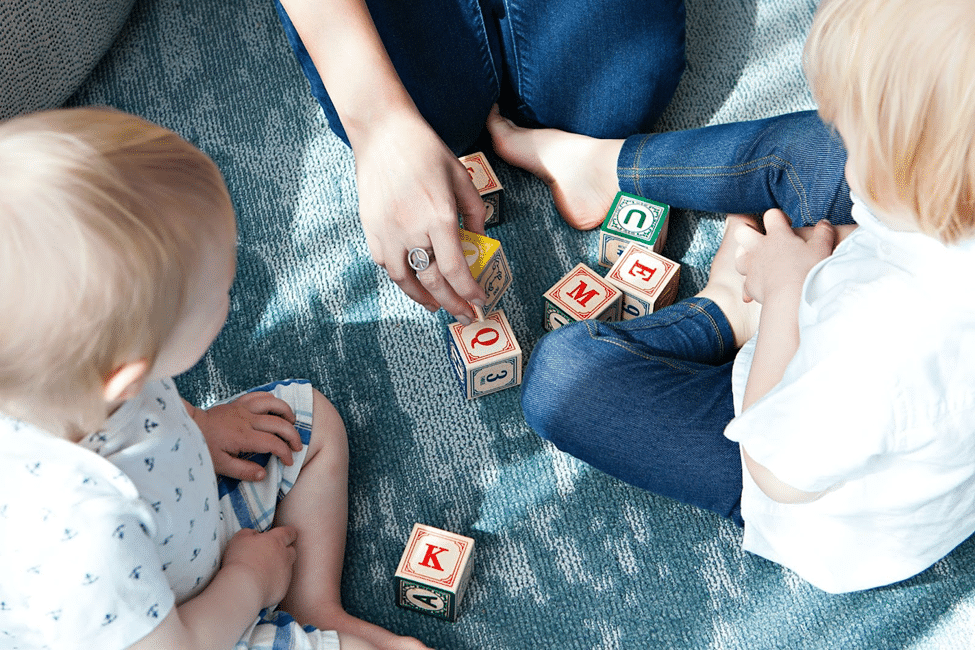
The “best interests of the child” standard serves as the primary guiding principle in child custody determinations, emphasizing the paramount importance of promoting the well-being and welfare of the child above all other considerations. Under this standard, courts aim to make custody decisions that prioritize the child’s physical, emotional, and developmental needs while also considering their safety and stability.
Factors considered under the “best interests of the child” standard may include:
– The child’s age, developmental stage, and individual needs.
– The quality of the child’s relationship with each parent and siblings.
– Each parent’s ability to provide a safe and nurturing environment.
– The child’s adjustment to their home, school, and community.
– Any history of domestic violence or substance abuse in the family.
– The child’s preference depends on their age and maturity level.
B. Specific Factors Influencing Custody Decisions:
1. Child-Related Factors:
- Age and Developmental Needs: Courts consider the child’s unique developmental stage and needs when determining custody arrangements.
- Emotional and Physical Well-being: The child’s emotional and physical health are central considerations, with courts prioritizing arrangements that promote their overall well-being.
- Child’s Preference: The court may consider the child’s expressed preference depending on their age and maturity level, although this is not determinative.
– Relationship with Each Parent and Siblings: The strength and quality of the child’s relationships with each parent and any siblings are carefully evaluated.
2. Parent-Related Factors:
– Parenting Ability and Capacity: Courts assess each parent’s ability to provide for the child’s needs, including their capacity to meet emotional, educational, and physical requirements.
Implications for Parents and Children

A. Parents
Understanding the key factors influencing child custody determinations can empower parents to prepare for and participate effectively in custody proceedings. By familiarizing themselves with the “best interests of the child” standard and the specific factors the court considers, parents can better advocate for arrangements that align with their child’s needs and best interests.
Parents may face both challenges and opportunities associated with different custody arrangements. For example, while sole custody may offer greater stability and control over parenting decisions, it may limit the child’s access to the other parent and strain their relationship. Conversely, shared custody arrangements can provide children with ongoing and meaningful relationships with both parents, but they may require greater cooperation and communication between parents.
B. Children
The potential impact of various custody arrangements on children’s well-being is significant and multifaceted. Research suggests that children generally benefit from having ongoing and meaningful relationships with both parents as long as these arrangements are safe, stable, and supportive of the child’s needs.
Shared custody arrangements allow children to maintain strong bonds with both parents and experience a sense of continuity and security across multiple homes. However, these arrangements may also pose challenges for children, particularly if parents need help communicating effectively or if the child experiences disruptions in routines and transitions between households.
Conversely, sole custody arrangements may provide children with greater stability and consistency in their living arrangements. Still, they may also limit their access to the non-custodial parent and potentially deprive them of valuable relationships and support networks.

Side Note:
Regardless of the custody arrangement, parents must prioritize their children’s needs and minimize the negative consequences of custody disputes. This may involve maintaining open lines of communication with the other parent, prioritizing the child’s emotional well-being, and seeking support from mental health professionals or family counselors when needed.
Ultimately, parents and children benefit from arrangements that prioritize the child’s safety, stability, and overall well-being while respecting their rights to maintain meaningful relationships with both parents. By working collaboratively and putting the child’s needs first, parents can navigate custody proceedings in a way that promotes positive outcomes for all involved.
- Stability and Suitability of Home Environment: The stability and suitability of each parent’s home environment are considered, including factors such as living conditions, safety, and support networks.
- Mental and Physical Health: Each parent’s mental and physical health is evaluated, with particular attention to any issues that may impact their ability to care for the child.
- History of Domestic Violence or Child Abuse: Any history of domestic violence or child abuse is carefully scrutinized by the court, with the safety of the child being of utmost concern.
- Willingness and Ability to Co-parent Effectively: The court considers each parent’s willingness and ability to cooperate and communicate effectively with the other parent concerning the child’s upbringing.
C. Recent Trends in Custody Decisions
Recent trends in custody arrangements reflect a shift toward greater emphasis on shared parenting and the recognition of the importance of maintaining meaningful relationships with both parents following separation or divorce. This trend is driven by research indicating that children generally fare better when they have ongoing and meaningful involvement with both parents.
Additionally, there is a growing recognition of the importance of considering cultural factors and individual family dynamics in custody determinations. Courts are increasingly tailoring custody arrangements to reflect each family’s unique circumstances and needs rather than adhering to one-size-fits-all approaches.
Societal changes, evolving attitudes toward parenting and family dynamics, and growing awareness of how custody decisions affect child development may influence these trends. Ultimately, the goal is to promote arrangements prioritizing the child’s best interests while respecting parents’ rights and responsibilities.
Conclusion
Child custody trends focus on promoting arrangements that prioritize a child’s best interests while balancing parental rights and responsibilities. Staying informed about these evolving trends helps families, attorneys, and policymakers create custody solutions that support children’s healthy development and emotional well-being.
- Trends in Texas Child Custody Law
- Why Joint Custody Is Becoming More Common in Texas Divorces
- What Qualifications Should I Look for in a Texas Child Custody Attorney?
- Texas Child Custody Attorneys: Comparing Success Rates Among the Best
- Demystifying Texas Custody Orders: What Every Parent Needs to Know
- The Effect of Home Schooling in Child Custody Cases in Texas
- Can I get child support and custody of my kids in Texas if we were never married?
- Navigating the Maze of Co-Parenting with a Texas Standard Custody Agreement
- Grandparents’ Custody and Visitation Rights in Texas
- When Can a Minor Child Weigh in on Custody Decisions in Texas? – Video