
Former lieutenant Shane Lamond, a senior intelligence officer with the Metropolitan Police Department in Washington, D.C., became the focus of a major federal case involving allegations that he mishandled confidential information while serving in a position of public trust. Shane Lamond previously led the Intelligence Branch within MPD’s Homeland Security Bureau, a role that placed him in charge of monitoring potential security threats in the nation’s capital.
The case drew attention because it involved a lieutenant entrusted with confidential investigative material who was later accused of sharing it with a subject of an active investigation.

Shane Lamond’s role as a lieutenant in MPD intelligence
As a lieutenant, Shane Lamond was responsible for overseeing intelligence operations related to public safety threats in Washington, D.C. His duties included monitoring extremist groups, coordinating with investigative units, and handling sensitive law enforcement data.
Because of the nature of the position, Lamond had access to non-public investigative details. That level of access required strict confidentiality and adherence to department protocols.
The case traces back to December 12, 2020, when members of the Proud Boys attended a pro-Trump rally in Washington, D.C.
During the event, Enrique Tarrio, then the national leader of the Proud Boys, and others allegedly stole a Black Lives Matter banner from a historically Black church. Tarrio later admitted involvement in burning the banner, an act that sparked widespread condemnation and triggered a law enforcement response.
The incident became a key focus of investigations into extremist activity in the city.
Investigation into Proud Boys activity begins
Following the banner-burning incident, the Metropolitan Police Department opened an investigation into the Proud Boys’ activities. What initially focused on external suspects soon expanded inward as questions arose about possible leaks from within law enforcement.
Investigators began examining whether Shane Lamond, acting in his capacity as a lieutenant overseeing intelligence, had shared sensitive information with Enrique Tarrio during the course of the investigation.
This shift marked a turning point in the case, transforming it from an external extremist investigation into one that also involved alleged misconduct within the police department itself.
Core allegations
Prosecutors alleged that Shane Lamond, while serving as a lieutenant, engaged in improper communications with Enrique Tarrio during an active investigation.
The allegations included:
- Sharing confidential law enforcement information through encrypted messaging apps
- Warning Tarrio about potential police actions and investigative developments
- Providing updates on MPD interest in Proud Boys activity
- Maintaining undisclosed communications while overseeing intelligence operations
- Misleading federal investigators about the nature and extent of his communications
Authorities argued that these actions compromised an active investigation and undermined law enforcement integrity.
Charges filed
Shane Lamond was charged federally with obstruction of justice and making false statements to investigators.
Summary of charges
| Charge | Description | Potential penalty |
|---|---|---|
| Obstruction of justice | Alleged interference with an ongoing investigation into Proud Boys activity | Several years in federal prison |
| Making false statements | Alleged misleading or false statements to federal investigators | Up to 5 years per count |
Prosecutors argued that Lamond’s actions affected the integrity of a sensitive investigation involving extremist activity.
Trial and conviction
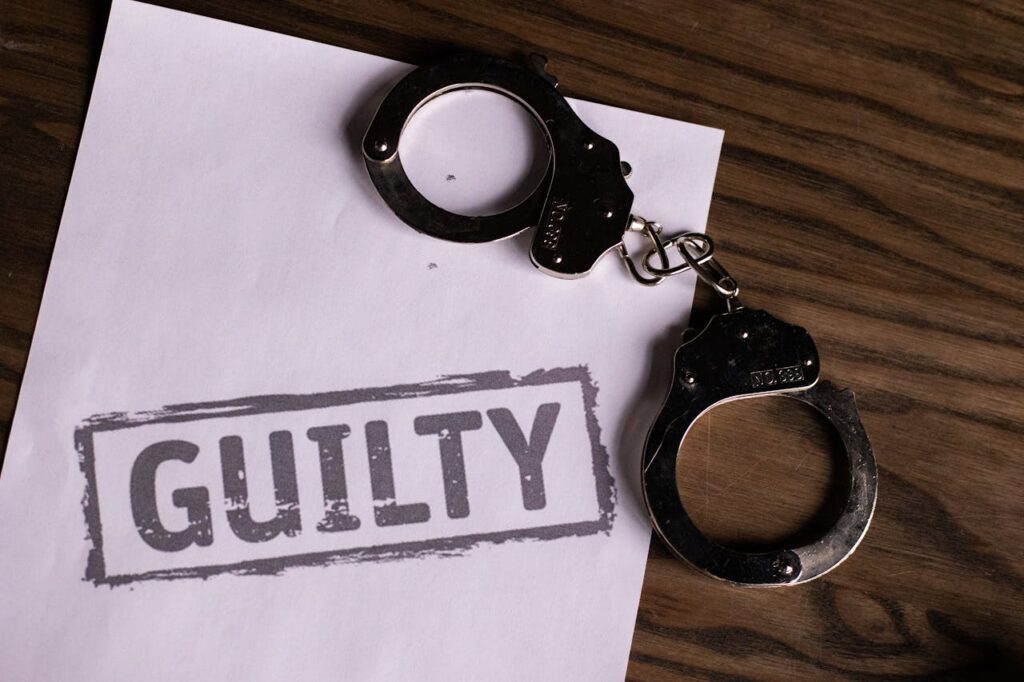
In December 2024, Shane Lamond was convicted in federal court on four counts, including obstruction of justice and making false statements.
The case was heard as a bench trial before U.S. District Judge Amy Berman Jackson.
The court found that Lamond shared confidential information with Enrique Tarrio during an active investigation and later misrepresented those communications to federal authorities.
Judge Jackson concluded that his actions went beyond legitimate law enforcement work and amounted to an abuse of authority.
Sentencing and outcome
Following his conviction, Shane Lamond was sentenced in June 2025 to 18 months in federal prison.
The court considered the seriousness of the misconduct, particularly given his position as a lieutenant with access to sensitive intelligence.
Prosecutors emphasized that his actions undermined an active investigation and violated the trust placed in law enforcement officers.
The defense argued that Lamond had a long career in policing and claimed his communications were related to intelligence-gathering efforts, but the court rejected that explanation.
Final perspective on the case
The case of Shane Lamond highlights the risks that arise when individuals in positions of authority are accused of misusing confidential information.
As a former lieutenant in MPD’s intelligence division, Lamond’s actions, as found by the court, raised broader concerns about oversight, accountability, and trust within law enforcement agencies handling extremist-related investigations.
At its conclusion, the case underscored how breaches of confidentiality can have serious legal consequences, especially when they involve active federal investigations.
Need Help? Call Us Now!
If you or someone you know is facing criminal charges, having experienced legal guidance can make a critical difference in your case. At the Law Office of Bryan Fagan, our team is committed to standing by your side and helping you build a strong, strategic defense tailored to your situation.
We take the time to explain your charges, walk you through the criminal justice process, and provide clear, practical guidance so you know what to expect at every stage. When the court system feels overwhelming or confusing, we are here to bring clarity and direction.
Our criminal defense attorneys focus on protecting your rights and pursuing the best possible outcome for your case. Every situation is different, which is why we develop defense strategies designed around your specific needs and circumstances.
We also offer a free consultation for your convenience, available via Zoom, Google Meet, email, or in person, so you can choose the option that works best for you. During this consultation, we provide straightforward advice and an honest assessment of your situation.
Call us today at (281) 810-9760 to speak with our team and take the first step toward protecting your future.

Other Related Articles
- The Proud Boys: Facing Justice in the Nation’s Courts
- Shelters Of Shame: Revealing The Allegations Against Southwest Key
- Enormous Scandal: Gambling Allegations In The MLB
- The Truth About P. Diddy Raid Allegations
- An Emerging Case Of Drug Dealer Caught At The Airport
- Measuring & Identifying Parental Alienation
- Cameron Lamb Case: The Daring Commutation And Controversy
- The Proud Boys: Facing Justice in the Nation’s Courts
- New Orleans Attack: A Joyous New Year Eve Ends In Tragedy
- Under Fire: Lauren Boebert’s Focus On Campaign Amid Son Allegations
Frequently Asked Questions
Obstruction of justice generally refers to actions that interfere with an investigation or court process. This can include leaking information, warning subjects of an investigation, or taking steps that hinder law enforcement efforts. It is a serious federal offense that can carry prison time.
Making false statements to federal investigators is a criminal offense. Even small or misleading inaccuracies can lead to charges if they are considered material to an investigation. Convictions can result in fines and prison sentences.
Police officers are held to high professional standards due to their access to sensitive information and public trust. While they are still entitled to a defense, courts may consider their position as an aggravating factor if misconduct is proven.
Penalties depend on the specific charges but may include imprisonment, fines, and loss of employment or professional certification. In cases involving obstruction and false statements, sentencing can range from several years in prison depending on severity and intent.


