
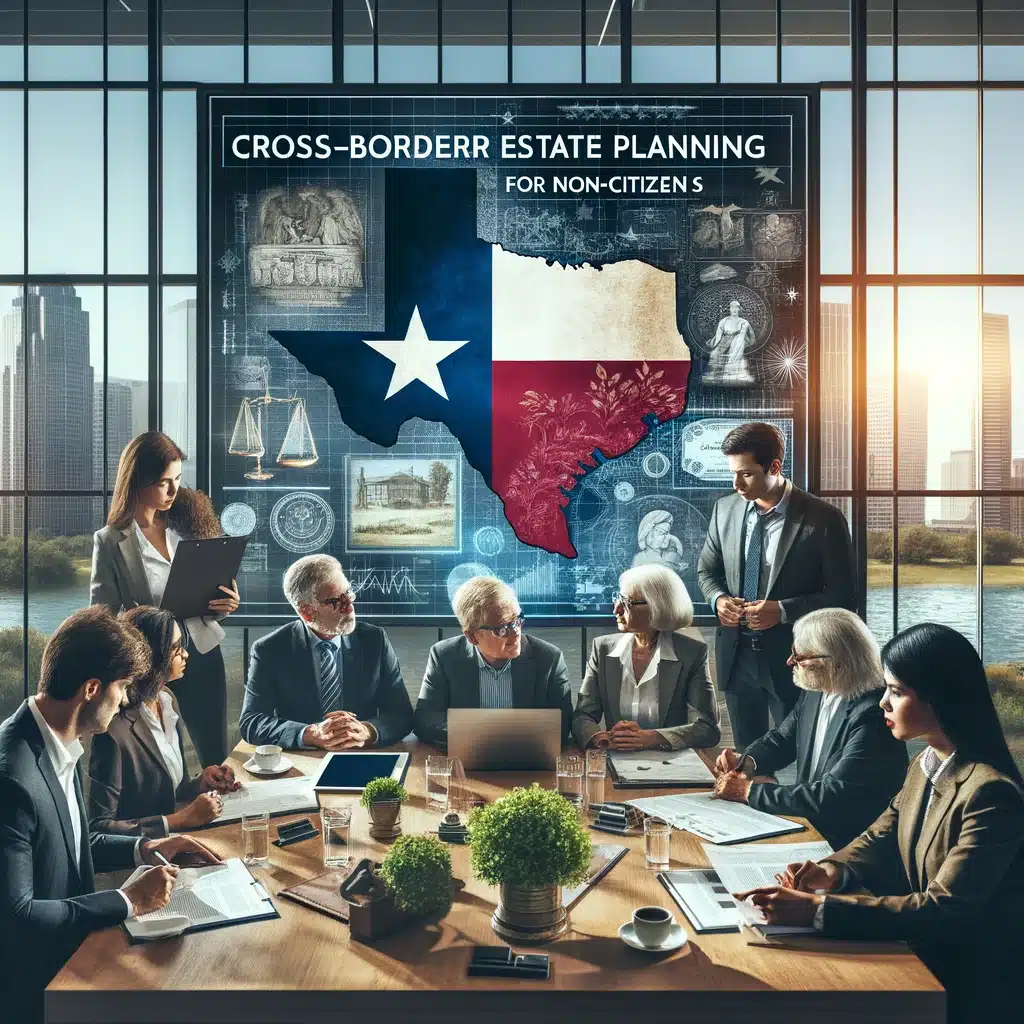
Estate Planning in Texas for Non-U.S. Citizens is a vital part of protecting your legacy and ensuring your assets are handled according to your wishes. For individuals living in Texas without U.S. citizenship, the process involves unique legal rules and tax considerations that can significantly impact how property is passed on to heirs. Understanding the requirements of Estate Planning in Texas for Non-U.S. Citizens helps you safeguard your wealth, avoid unnecessary complications, and ensure a smooth transfer of assets. This article explores the key challenges, legal considerations, and practical steps non-U.S. citizens need to know to create a secure estate plan in the Lone Star State.
Unlocking and Mastering Estate Planning in Texas for Non-U.S. Citizens
Hey there, fellow adventurers in the land of estate planning! Picture this: you’re sipping your morning coffee, gazing out at the Texas sunrise, when suddenly, a thought hits you like a bolt of lightning—what happens to all your stuff when you’re gone? Don’t fret, my friend, because today, we’re diving headfirst into the wild world of estate planning for non-U.S. citizens in the great state of Texas!
Short Answer:
Estate planning for non-U.S. citizens in Texas can be a maze of confusion, but fear not! We’re here to guide you through every twist and turn.
Why keep reading?
Because we’re about to unravel the mysteries of immigration status, tax laws, and cultural considerations, all while sprinkling in a dash of humor and a pinch of practical advice, so grab your cowboy hat and saddle up—it’s time for an estate planning adventure like no other!
Impact of U.S. Immigration Status on Estate Planning
Different immigration statuses, such as Green Card holders or visa holders, can significantly influence estate planning decisions for non-U.S. citizens in Texas. For example, individuals with permanent resident status may have different tax implications compared to those on temporary visas. Understanding these nuances is crucial for devising a comprehensive estate plan that aligns with one’s immigration status and long-term objectives.

Guardianship Considerations for Minor Children
Non-U.S. citizens must also consider guardianship arrangements for their minor children in the event of their demise. This is particularly important in cases where parents hold different citizenship statuses, as Texas law may dictate specific requirements for guardianship appointments. By proactively addressing guardianship concerns, parents can ensure the well-being and care of their children according to their wishes.
State vs. Federal Estate and Gift Tax Laws
Navigating the intersection of Texas estate laws and federal estate and gift tax laws can be complex for non-U.S. citizens. Differences in taxation thresholds and exemptions may impact the distribution of assets, especially for individuals with substantial wealth or beneficiaries across international borders. Seeking guidance from experienced estate planning professionals can help optimize tax planning strategies while complying with relevant regulations.
Mastering Estate Planning in Texas for Non-U.S. Citizens and Handling of Foreign Assets
Many non-U.S. citizens in Texas possess assets located outside the United States, ranging from real estate properties to investment portfolios. Integrating these foreign assets into estate plans requires careful consideration of legal and tax implications, including potential double taxation issues and compliance with foreign inheritance laws. Implementing appropriate strategies can facilitate the seamless transfer of assets across borders while minimizing tax liabilities.
| Consideration | Explanation |
| Legal and Tax Implications | Foreign assets in Texas estate plans may trigger legal and tax complexities, including double taxation. |
| Inheritance Laws | Understanding foreign inheritance laws ensures assets are distributed according to one’s wishes. |
| Estate Distribution Strategies | Implementing effective strategies can facilitate seamless transfer of foreign assets to beneficiaries. |
| Currency Conversion | Considerations for currency exchange rates and potential impacts on asset valuation and distribution. |
| Professional Guidance | Seeking advice from legal and financial professionals experienced in international estate planning. |

Estate Planning for Non-U.S. Citizens with U.S. Citizen Children
Families with mixed citizenship statuses face unique estate planning challenges, particularly concerning the interplay between Texas and federal laws. Special considerations may arise regarding the treatment of assets inherited by U.S. citizen children, including tax implications and eligibility for certain benefits or entitlements. Tailoring estate plans to accommodate these complexities ensures that each family member’s needs are adequately addressed.
Estate and Inheritance Taxes for Non-U.S. Citizens
Understanding the implications of estate and inheritance taxes is essential for non-U.S. citizens in Texas. While the state does not impose its own estate tax, federal estate tax laws may apply to individuals with significant assets. Additionally, inheritance taxes may vary depending on the relationship between the decedent and the beneficiary. Careful tax planning can help minimize tax burdens and preserve wealth for future generations.
Retirement and Pension Plan Considerations
Non-U.S. citizens with U.S.-based retirement accounts and pension plans must carefully consider the impact of estate planning decisions on these assets. Provisions such as beneficiary designations and distribution rules may differ from those in other countries, necessitating customized strategies to optimize retirement planning objectives while adhering to relevant regulations.
Marital Property Rights and Agreements
Texas community property laws govern the division of assets acquired during marriage, which may affect non-U.S. citizens and their spouses. Prenuptial and postnuptial agreements can help clarify ownership rights and preferences regarding asset distribution in the event of divorce or death. By addressing marital property concerns upfront, couples can mitigate potential disputes and ensure equitable outcomes.
Estate Planning in the Context of Potential Deportation
The prospect of deportation or voluntary departure from the United States raises unique estate planning considerations for non-U.S. citizens in Texas. Strategies to protect assets and secure family members’ financial stability in such scenarios may involve establishing trusts or power of attorney arrangements to manage affairs in the absence of the primary decision-maker.
Cultural Considerations in Estate Planning
Cultural factors and norms from a non-U.S. citizen’s country of origin can influence estate planning preferences and priorities. It is essential to recognize and accommodate these cultural sensitivities within the framework of Texas laws to ensure that estate plans reflect individuals’ values and intentions accurately.
Language Barriers and Estate Planning
Non-English speakers may encounter challenges in understanding and executing estate planning documents in Texas. Access to legal resources and assistance in multiple languages can facilitate communication and enhance comprehension, empowering individuals to make informed decisions about their estate plans.

Intellectual Property: Mastering Estate Planning in Texas for Non-U.S. Citizens
Non-U.S. citizens who own intellectual property assets must incorporate these assets into their Texas estate plans effectively. Considerations may include licensing agreements, royalty arrangements, and international copyright laws, requiring specialized expertise to navigate complex legal and financial implications.
Mastering Estate Planning in Texas for Non-U.S. Citizens requires a clear understanding of the legal, tax, and cultural issues that affect how assets are protected and transferred. By addressing these complexities early and working with qualified professionals, non-citizens can build an estate plan that shields their wealth, honors their wishes, and provides long-term security for their families. This intentional planning ensures their legacy remains protected under Texas law.
Wrapping Up Our Estate Planning Expedition
And there you have it, folks—our epic journey through the twists and turns of estate planning for non-U.S. citizens in the Lone Star State! From navigating immigration statuses to dodging tax pitfalls, we’ve covered it all.
Short Answer
Estate planning for non-U.S. citizens in Texas is a wild ride, but armed with knowledge, you’re ready for anything! But before we bid adieu, let me leave you with a little nugget of wisdom: whether you’re a Texas native or a global wanderer, estate planning is your ticket to peace of mind and leaving a lasting legacy. So go forth, dear reader, and conquer the estate planning frontier like the fearless trailblazer you are!

Other Related Articles:
- Estate Planning for Blended Families in Texas: What You Need to Know
- Estate Planning, Marriage and Divorce: What You Need to Know
- Estate Planning For Texas Ranch Owners: How To Protect Your Property and Legacy
- Dangers of Common Law Marriage with Estate Planning
- Guardianship of Non-Citizens In Texas
- Estate planning for a non-citizen spouse
- Five Key Measures for Estate Planning in Special Needs Cases
- Estate Planning For Texas Landowners: What You Need To Consider
- Mastering Your Legacy: A Guide to Estate Planning in Texas
- The Importance Of Wills In Texas Estate Planning
Frequently Asked Questions
Yes, non-U.S. citizens can create estate plans in the U.S. It is essential to understand the legal and tax implications.
Yes, a non-U.S. citizen can serve as an executor in Texas. However, there may be additional requirements or restrictions.
Yes, a non-U.S. citizen can be an administrator of an estate in certain circumstances. Legal advice is recommended.
Yes, non-U.S. citizens can inherit property in the USA, but there may be tax implications and legal considerations.