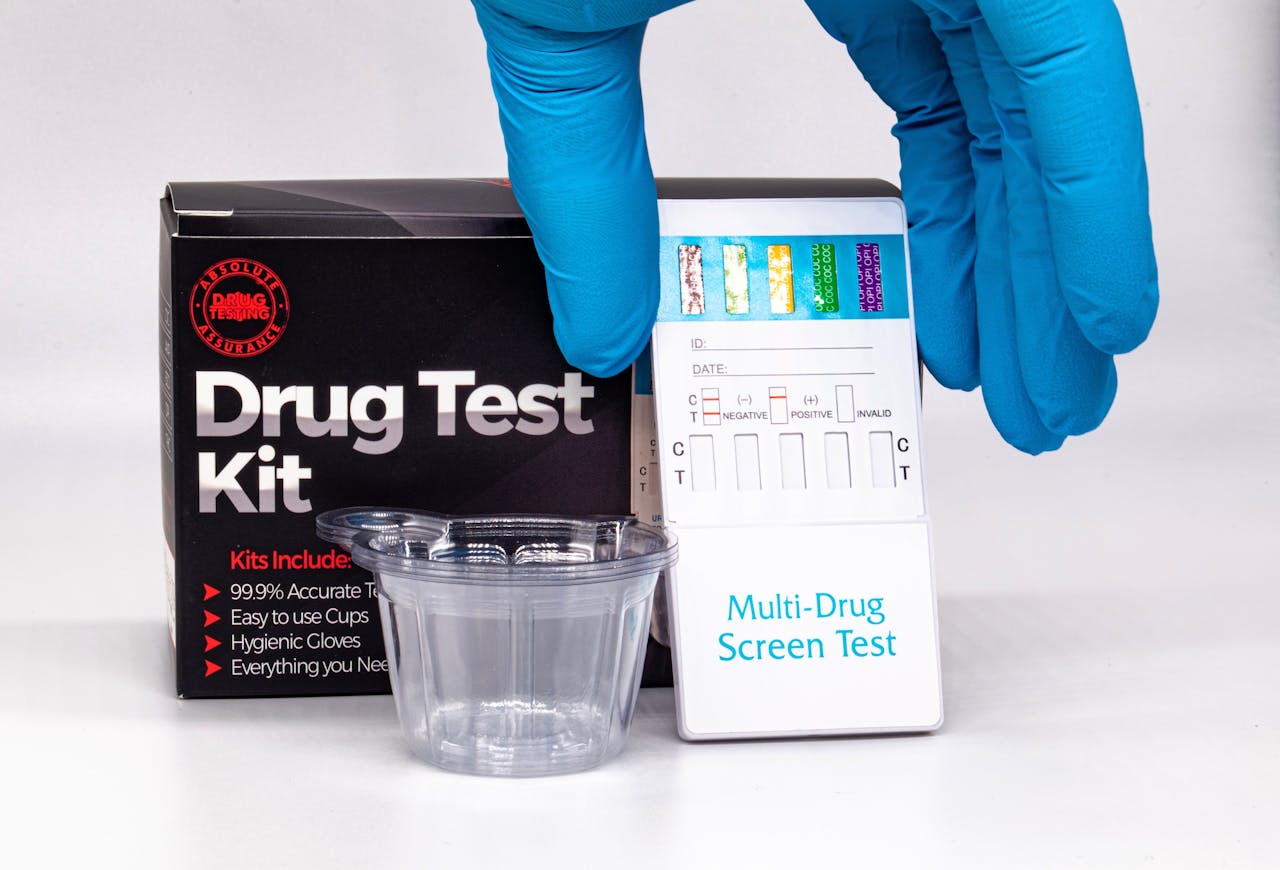
If you are a parent or caregiver in Texas, questions about Texas CPS drug tests can quickly become a source of stress and confusion. One of the most common concerns is, can CPS drug test my child, or even conduct drug testing in your home. Understanding when and how CPS can request drug testing is essential to protecting both your rights and your family.
This article breaks down how CPS drug testing works in Texas, including what happens during home visits, what types of tests CPS may use, and what legal standards apply. By the end, you will have a clearer picture of what CPS can and cannot do, and how to respond confidently if drug testing becomes part of your case.
CPS drug testing policies in Texas
Child Protective Services plays a central role in protecting children from abuse, neglect, and unsafe living conditions. One important part of that responsibility involves drug testing, which CPS may use to determine whether a parent or caregiver’s substance use poses a risk to a child’s safety. Understanding when and why CPS may request a drug test helps families better navigate an investigation and protect their rights.
The role of CPS in ensuring child safety
CPS safeguards children’s welfare by responding to reports of suspected abuse or neglect. Caseworkers assess whether a child can remain safely in their current environment by examining factors such as home conditions, caregiver behavior, and any indicators of substance abuse. Drug testing becomes relevant when CPS believes that substance use may impair a caregiver’s ability to provide safe and appropriate care.
When CPS may request drug testing
In Texas, CPS may request drug testing when there is a reasonable concern that substance abuse could affect a child’s safety or well-being. Drug testing is not automatic in every investigation and must be connected to specific safety concerns rather than used as a routine practice. CPS must follow legal and procedural safeguards to balance parental rights with its responsibility to protect children.
Types of drug tests CPS might use
When CPS investigates concerns involving substance abuse, it may rely on several different drug testing methods to determine whether a parent or caregiver’s behavior poses a risk to a child. Understanding how these tests work, what they detect, and when they are used can help individuals better prepare for and respond to CPS requests.
Common drug testing methods used by CPS
CPS primarily uses three types of drug tests, each serving a different purpose depending on the situation. The choice of test often depends on whether CPS is looking for recent drug use or a longer pattern of substance abuse.
Here are the most commonly used methods:
- Urine tests, which detect recent drug use and are widely used due to their affordability and accessibility
- Hair follicle tests, which reveal longer-term substance use patterns
- Blood tests, which provide immediate and highly accurate results in urgent situations
| Drug testing method | What it detects | When CPS uses it |
|---|---|---|
| Urine test | Drug use within the past few days to a week | Most common method for identifying recent substance use |
| Hair follicle test | Drug use over the past 90 days | Used to identify longer-term or repeated substance abuse |
| Blood test | Drugs currently in the bloodstream | Used when immediate and precise results are needed |
Accuracy and detection periods
The accuracy and usefulness of each drug test depend on factors such as the type of test, the substance involved, and how the sample is handled. Urine tests are generally accurate for detecting recent drug use but have a short detection window, which means past use may not appear. Hair follicle tests provide a broader picture by revealing drug use over several months, making them useful when CPS is concerned about ongoing substance abuse rather than isolated incidents. Blood tests are the most precise for current intoxication, but they are less commonly used because they are more invasive and typically reserved for urgent or medically necessary situations.
Knowing how these tests differ can help families better understand CPS decisions and anticipate what a particular test result may or may not show.
CPS Drug Testing Procedures
CPS drug testing procedures are designed to ensure accuracy, fairness, and compliance with Texas law while protecting the rights of the individuals involved. Understanding how these procedures work can help parents and caregivers navigate the process with greater confidence and avoid unnecessary complications during a CPS investigation.
CPS typically arranges drug testing at a designated medical or testing facility rather than directly in a CPS office. Individuals are instructed to provide a urine, hair, or blood sample depending on the type of test required. It is important to follow all instructions carefully, as failure to comply or attempting to interfere with the process can be viewed negatively and may affect the case.
To ensure the results are legally reliable, CPS and the testing facility strictly maintain a chain of custody for each sample. This means the sample is tracked from collection through analysis so that tampering, contamination, or misidentification is prevented. Maintaining this chain is critical because test results may later be used in court to support decisions about child safety and custody.
Legal Aspects and Individual Rights
Individuals undergoing CPS drug testing have legal rights that must be respected throughout the process. These rights are designed to protect the interests of both parents or caregivers and the child involved.
- The Right to Refuse: Individuals generally have the right to refuse a drug test. However, refusing to comply with CPS requests may have consequences, including potential removal of the child from the home.
- The Right to a Witness: Individuals have the right to have a witness present during the testing process. This witness can be a family member, friend, or legal representative who can observe and verify the fairness of the procedure.
- Challenging Test Results: If an individual believes that a drug test result is inaccurate or unjust, they have the right to challenge or dispute it. This may involve seeking a second test or legal representation to address concerns.
Understanding these legal aspects and rights is essential for individuals undergoing CPS drug testing. It allows them to make informed decisions and protect their interests while ensuring the best possible outcome for the child involved.
Circumstances Leading to CPS Drug Testing
CPS does not request drug testing randomly or without justification. There are specific circumstances and red flags that may prompt CPS to require a parent or caregiver to submit to drug testing. These situations usually arise when substance use is believed to potentially impact a child’s safety or well-being.
Suspicions of drug abuse
CPS may initiate drug testing when there are credible suspicions of substance abuse within the household. These concerns can originate from reports by teachers, medical professionals, neighbors, or family members who observe signs of impairment, neglect, or unsafe behavior. CPS caseworkers may also develop concerns during home visits or interviews, such as noticing drug paraphernalia, unusual behavior, or inconsistent explanations about a caregiver’s condition. In these cases, drug testing becomes a tool to confirm or rule out whether substance use is contributing to a risk to the child.
Child endangerment and prior incidents

Drug testing is also more likely when a case involves allegations of child endangerment or a documented history of substance abuse. For example, if a child has been left unattended, exposed to unsafe environments, or injured under questionable circumstances, CPS may require drug testing to determine whether impairment played a role. Prior CPS cases involving substance abuse, criminal drug charges, or previous positive tests can further increase the likelihood that CPS will request new testing. In these situations, CPS focuses on whether the caregiver’s past or present behavior presents an ongoing risk to the child.
Understanding what triggers CPS drug testing allows parents and caregivers to recognize potential concerns early and address them proactively. Taking steps such as seeking treatment, maintaining a safe home environment, and cooperating with CPS when appropriate can reduce the likelihood of testing and demonstrate a commitment to a child’s safety.nd taking steps to address them proactively can help mitigate the need for testing in the first place.
Legal implications of CPS drug testing
Failing or refusing a CPS drug test can have serious and long-lasting consequences for families. Understanding how CPS drug testing affects custody, parental rights, and legal responsibilities is critical for anyone facing this situation. Knowing what to expect allows parents and caregivers to respond strategically rather than react emotionally.
How CPS drug testing affects custody and family rights
A positive drug test can directly impact child custody and visitation. CPS may seek temporary protective custody, limit visitation, or require supervision during visits if it believes substance use places the child at risk. When substance abuse is confirmed, CPS typically creates a safety plan that may include mandatory treatment, counseling, and continued monitoring to ensure the child’s well-being.
The severity of these consequences depends on several factors, including the substance involved, whether the child was endangered, and how willing the parent or caregiver is to cooperate and seek help. Courts and CPS often give more favorable consideration to individuals who acknowledge the issue and take proactive steps toward rehabilitation.
Your legal rights and how to protect them
Parents and caregivers have important rights throughout the CPS drug testing process, including the right to question procedures and challenge questionable results. If a test result seems inaccurate or unfair, individuals may request confirmation testing or dispute the findings through legal channels. These protections exist to prevent wrongful decisions based on flawed or mishandled evidence.
Seeking legal advice early is one of the most effective ways to protect your rights. A family law attorney can explain your options, represent your interests in dealings with CPS, and help you respond appropriately to allegations while keeping the focus on preserving your relationship with your child.
Practical steps if you are facing CPS drug testing
Facing CPS drug testing is stressful, but how you respond can significantly influence the outcome. Consider these key actions:
- Cooperate with CPS investigations and follow instructions carefully, as refusal may worsen your legal position
- Consult a family law attorney as soon as possible to understand your rights and options
- Be honest and open with your attorney so they can advocate effectively on your behalf
- Seek rehabilitation or counseling voluntarily if substance use is an issue, as proactive treatment is often viewed positively
- Attend all court hearings on time and comply with court orders to demonstrate your commitment to resolving the matter responsibly
By staying informed, cooperative, and legally supported, parents and caregivers can better navigate CPS drug testing and work toward protecting both their rights and their child’s future.
Importance of Counseling and Rehabilitation
Counseling, rehabilitation, and community support play a vital role in addressing substance abuse and supporting families involved in CPS cases. Participating in these programs not only demonstrates a commitment to recovery but also reinforces a parent’s ability to provide a safe and stable environment for a child.
Counseling and treatment options
Individual counseling helps parents explore the root causes of substance use and develop healthier coping strategies. Family counseling improves communication, rebuilds trust, and strengthens relationships affected by addiction or CPS involvement. Support groups provide connection and encouragement by allowing individuals to share experiences with others facing similar challenges. For more intensive needs, inpatient and outpatient rehabilitation programs offer structured, evidence-based treatment to support long-term sobriety.
Community support resources

CPS investigations and drug testing can be emotionally exhausting, but families do not have to face them alone. Across Texas, local organizations and advocacy groups offer guidance, education, and emotional support to parents navigating CPS cases. These resources can help families better understand the process, comply with requirements, and work toward reunification and long-term stability.
Together, counseling, treatment, and community support not only address immediate concerns but also lay the foundation for healthier families and safer futures for children.
Real-Life Stories/Testimonials
Here are anonymized stories and testimonials that offer insight into the experiences of individuals who have undergone CPS drug testing:
Sarah’s Story
Sarah, a devoted mother, found herself facing CPS drug testing after a concerned neighbor reported suspicions of substance abuse. Fearing for her child’s safety, Sarah cooperated with CPS investigators and voluntarily underwent drug testing. Despite her initial anxiety, Sarah maintained her composure, understanding the importance of compliance. The test results came back negative, dispelling any concerns about her ability to provide a safe environment for her child. Sarah’s experience highlights the significance of cooperation, transparency, and understanding one’s rights in CPS investigations.
John’s Testimonial
John, a loving father, faced a challenging situation when CPS requested a drug test following an incident involving substance use. Uncertain about the outcome, John sought legal advice and guidance. His attorney carefully reviewed the testing procedures, ensuring adherence to protocols. To his relief, John’s second drug test, conducted under the supervision of his attorney, returned negative results. John’s proactive approach, coupled with legal representation, not only safeguarded his rights but also reinforced the importance of due diligence in CPS interactions.
Maria’s Journey to Recovery
Maria, a determined parent, acknowledged her struggle with substance abuse and voluntarily enrolled in a rehabilitation program. Recognizing the potential impact on her child’s well-being, Maria actively participated in counseling, therapy, and support group sessions. CPS, appreciating her commitment to recovery, collaborated with Maria to establish a safety plan that allowed her to continue her parental responsibilities while prioritizing her rehabilitation efforts. Maria’s journey underscores the significance of self-awareness, acceptance, and proactive steps toward recovery when facing CPS challenges.
Conclusion
Understanding Texas CPS drug tests, including when and how they are used, is essential for any parent or caregiver facing a CPS investigation. Questions like can CPS drug test my child or require testing at home can feel overwhelming, but knowing your rights and the legal process puts you in a stronger position. By staying informed, seeking legal guidance, and addressing concerns proactively, families can navigate CPS drug testing more confidently and protect their child’s best interests. In the end, preparation, cooperation, and a focus on child safety remain the most powerful tools.
The Grand Finale: Your Passport to CPS Wisdom!
And there you have it! We’ve taken a clear, practical look at CPS drug testing in Texas and what it really means for families. So, can CPS drug test you at home? Yes, but as you now know, it depends on the circumstances, your rights, and the procedures CPS must follow.
The key takeaway is simple: knowledge puts you in control. Whether you are a parent, caregiver, or simply staying informed, understanding this process helps you respond with confidence and protect your family’s best interests. Stay informed, stay prepared, and you’ll be ready if CPS ever comes knocking.

Ebook
 If you want to know more about what you can do, CLICK the button below to get your FREE E-book: “Child Protective Services E-Book”
Other Related Articles:
- The Legal Landscape: CPS and Drug Testing in Texas Explained
- Legal Insights: CPS Drug Tests and Your Rights in Texas
- Drug Testing Protocols: CPS Practices in Texas
- Waiting for CPS Drug Test Results in Texas: What to Expect
- Can CPS Manipulate Drug Test Results? Unveiling the Truth
- Types of Drug Tests Used by CPS in Texas
- CPS Drug Testing at Home in Texas: Legal Procedures and Implications
- How long does it take CPS to get a court order for a drug test
- CPS Drug Testing Procedures
- What to Do When CPS Asks for a Drug Test in Texas
- Want to help your CPS attorney? Be honest and ask questions
Frequently Asked Questions
CPS can request drug testing during or after a home visit if they believe substance use may be affecting your child’s safety. However, testing is not automatic and must be tied to specific concerns rather than done randomly.
You generally have the right to refuse a voluntary drug test, but refusal may lead CPS to seek a court order or draw negative conclusions in their investigation. It is often best to speak with a family law attorney before deciding how to respond.
Failing a test does not automatically mean you will lose custody, but it can result in additional monitoring, safety plans, or temporary changes to visitation or placement. CPS typically focuses on whether the substance use puts your child at risk and whether you are willing to seek treatment.
Yes, you can challenge the results if you believe they are inaccurate or improperly handled. This may involve requesting confirmation testing or working with an attorney to review how the test was conducted and whether proper procedures were followed.