 Skip to content
When people start looking into what Child Protective Services (CPS) focuses on during a visit, they’re often trying to understand what actually gets noticed when a caseworker walks into a home. The idea of a home check can feel intimidating, especially because many of the criteria are not as obvious as people assume. The reality is that CPS is not looking for “perfect homes.” Instead, they’re trying to understand whether a child is safe, supervised, and living in an environment where their basic needs are consistently met. In that context, the 15 signs CPS looks for during home checks are less about surface-level appearance and more about patterns of care, stability, and potential risk factors.
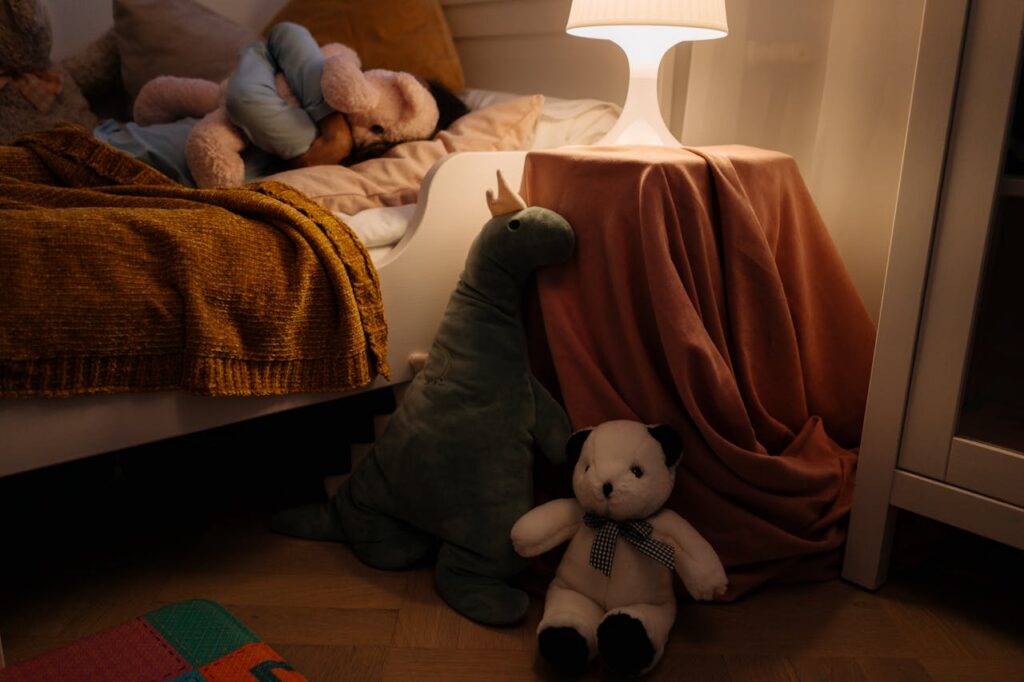
How CPS Evaluates a Home Visit
During a visit, CPS caseworkers typically observe multiple layers of the household rather than focusing on one issue in isolation. A home check can include:
- The physical condition of the home
- The child’s appearance and emotional behavior
- Caregiver responses and cooperation
- Household routines and structure
- Any visible safety risks or neglect indicators
What’s important to understand is that context matters heavily. A messy home during a stressful week is viewed very differently from ongoing unsafe or unsanitary conditions. CPS is trained to look for patterns over time, not isolated moments.
15 Signs CPS Looks For During Home Checks
Below is a structured breakdown of the 15 signs CPS looks for during home checks, along with what they typically mean in practice.
| Sign | What CPS Is Observing | Why It Matters |
|---|---|---|
| Cleanliness & sanitation | General hygiene, pests, waste buildup | Ongoing unsafe conditions can affect child health |
| Food availability | Consistent access to meals | Indicates whether basic needs are being met |
| Sleeping arrangements | Safe, appropriate sleeping spaces | Prevents injury, neglect, or unsafe co-sleeping |
| Supervision levels | Age-appropriate monitoring | Ensures child safety at all times |
| Home safety hazards | Exposed wires, unsafe clutter, chemicals | Identifies immediate physical danger |
| Medical/dental care | Untreated or ignored health needs | May signal medical neglect patterns |
| Child appearance | Hygiene, clothing, grooming | Reflects consistency of care (context considered) |
| Emotional behavior | Fear, anxiety, withdrawal | Can indicate stress or unsafe environment |
| Caregiver responsiveness | Cooperation and communication | Helps assess reliability and transparency |
| Consistency of story | Matching explanations and timelines | Inconsistencies may require further review |
| Household routine | Structure, school attendance | Stability is a key protective factor |
| Substance concerns | Observable impairment effects | Only considered when it impacts caregiving |
| Domestic conflict | Exposure to frequent arguments/violence | Emotional and physical safety factor |
| Access to utilities | Water, electricity, basic functioning | Essential for safe daily living |
| Follow-through on plans | Compliance with prior CPS guidance | Shows willingness to correct concerns |
1. Basic cleanliness and sanitation levels
When CPS looks at cleanliness, they are not expecting an immaculate home. What matters more is whether conditions are safe and healthy. Occasional clutter is usually not the issue. Instead, concerns arise when there are persistent issues like rotting food, mold, infestations, or unsafe waste accumulation.
In other words, CPS is asking: Can a child safely live and move around in this environment every day?
2. Availability of food and nutrition
One of the most important things CPS looks for is whether a child has regular access to food. This does not mean a full pantry or expensive groceries—it simply means there is enough consistent food for meals.
Caseworkers may also ask questions about meal routines to understand whether the child is being fed regularly or going without for extended periods.
3. Safe sleeping arrangements for children
Sleeping arrangements are another key area of focus. CPS may observe whether children have a designated sleeping space, whether sleeping conditions are overcrowded, or whether infants and young children are placed in unsafe setups.
The concern here is safety—preventing falls, suffocation risks, or inappropriate sleeping environments for a child’s age.
4. Supervision patterns and caregiver presence

Supervision is not about constant hovering—it’s about age-appropriate care. A teenager staying alone briefly is different from a toddler being left unattended for long periods.
CPS looks at whether children are being supervised in a way that matches their developmental needs and whether caregivers are reliably present.
5. Visible safety hazards in the home
This includes things like exposed wiring, broken furniture, accessible sharp objects, unsecured medications, or unsafe structural conditions.
A key point here is repetition. One hazard may be fixable, but multiple ongoing hazards suggest a lack of basic safety management in the home.
6. Signs of untreated medical or dental needs
CPS may take note of visible or reported medical concerns that are not being addressed. This can include infections, injuries, or chronic conditions without treatment.
The focus is not perfection in healthcare—it’s whether a child’s medical needs are being reasonably attended to.
7. Child’s physical appearance and hygiene
This includes cleanliness, grooming, clothing, and overall physical condition. Importantly, CPS does consider context such as poverty, lack of access to resources, or temporary hardship.
What raises concern is not appearance alone, but patterns suggesting neglect of basic hygiene over time.
8. Emotional behavior and child interaction
Caseworkers may observe how a child behaves around caregivers. Signs like fearfulness, extreme withdrawal, or emotional distress may prompt further evaluation.
However, CPS does not assume cause from appearance alone—they look for patterns and corroborating context.
9. Caregiver responsiveness during visit
CPS pays attention to how caregivers respond during the interaction. Cooperation, openness, and willingness to answer questions are generally positive indicators.
Avoidance, hostility, or refusal to engage may raise questions, especially when combined with other concerns.
10. Consistency in caregiver explanations
If timelines or explanations change frequently, CPS may take a closer look. This does not automatically mean wrongdoing, but consistency helps establish reliability.
Caseworkers often compare statements across time, documents, and observations.
11. Household stability and routines
A stable household often includes predictable routines like school attendance, meal schedules, and consistent caregiving.
Disorganization alone is not the issue—it’s whether instability affects a child’s ability to function safely and consistently.
12. Evidence of substance misuse concerns
CPS does not make assumptions based on appearance or rumor. Instead, they focus on whether substance use is visibly affecting caregiving ability.
This might include impairment during interactions or inability to meet a child’s needs safely.
13. Domestic conflict or volatility in the home
Frequent or intense conflict in a household can be emotionally damaging for children. CPS may consider whether a child is exposed to arguments, threats, or unsafe situations.
The key concern is the child’s emotional and physical safety within that environment.
14. Access to essential utilities
Basic utilities like water, electricity, and heating are essential for daily care. CPS may note whether these are consistently available.
Temporary outages are not usually the issue—ongoing lack of utilities is what raises concern.
15. Follow-through on prior CPS recommendations
If CPS has previously provided a safety plan or recommendations, they may assess whether those steps were followed.
This helps caseworkers understand whether prior concerns have been addressed or if risks are ongoing.
What CPS Does NOT Judge You On

It’s just as important to understand what is not the focus of CPS evaluations, because a lot of concerns people have about home visits come from assumptions rather than how assessments actually work. CPS caseworkers are not there to evaluate how “perfect” a household looks or to compare families against an ideal standard of living.
- A temporarily messy home
Everyday messiness—like unwashed dishes, laundry, toys on the floor, or general clutter—is not automatically viewed as neglect. CPS typically considers whether the condition is temporary or part of a larger, ongoing pattern that creates unsafe or unsanitary living conditions for a child. - Income level or financial hardship
CPS does not base findings on how much money a family has or the condition of the home in terms of value or appearance. Financial struggle alone is not a concern. The focus is on whether children have their basic needs met, not whether a family can afford an ideal environment. - Cultural differences in parenting
Parenting styles can vary widely across cultures, households, and belief systems. CPS does not judge families based on cultural norms alone. The evaluation is centered on safety and well-being, not on enforcing one “correct” way to raise a child. - One-off stressful incidents
Short-term events such as illness, job loss, or a temporary disruption at home are not usually treated as evidence of neglect on their own. CPS generally looks for patterns over time rather than isolated situations unless there is immediate risk involved. - Non-hazardous clutter
Ordinary disorganization or clutter that does not pose a safety risk is not typically a concern. The key distinction is whether items create hazards—such as blocking exits, creating fire risks, or exposing children to danger—rather than simple untidiness.
Common Misunderstandings About CPS Home Checks
Much of the confusion around CPS home visits comes from how the process is perceived rather than how it actually works. Because visits can feel formal and high-stakes, it’s easy to assume conclusions are being made quickly or based on limited information. In practice, CPS assessments are more structured and ongoing.
- CPS forms conclusions immediately during the visit
A home check is only one part of a broader assessment. Caseworkers often gather additional information through follow-up visits, interviews, and records before making any determination. The visit itself is just one piece of the overall picture. - Every detail observed is treated as decisive evidence
People often assume that a single comment, behavior, or condition can define a case. In reality, CPS weighs information collectively, looking for patterns and consistency rather than relying on isolated moments. - The home visit is the only source of information
While the home environment is important, CPS may also consider input from schools, healthcare providers, prior reports, or other relevant contacts when building an understanding of the situation. - The goal of the visit is to confirm wrongdoing
A common misconception is that caseworkers arrive with a predetermined assumption. In most cases, the purpose is to assess child safety, which includes both identifying risks and ruling out concerns when appropriate. - Any concern automatically leads to court action
Not all concerns escalate to legal proceedings. Many situations are addressed through voluntary services, safety planning, or ongoing monitoring depending on the level of risk. - Caregiver reactions are judged purely emotionally
Stress, nervousness, or discomfort during a visit is not automatically viewed negatively. Caseworkers are generally trained to interpret behavior in context alongside other information.
Overall, CPS home checks are part of a larger, ongoing evaluation process rather than a single moment of judgment.
How to Prepare for a CPS Home Visit (Without Overreacting)
Preparing for a CPS visit is less about “perfecting” your home and more about making sure basic safety and stability are in place. The goal is not to create a spotless or staged environment, but to ensure that a child’s everyday needs are being met in a consistent, safe way.
Instead of trying to overhaul everything at once, it helps to focus on a few core areas CPS typically pays attention to: safety, basic needs, and how the household functions day to day.
Start with basic safety in the home
A good first step is doing a practical walkthrough of your home with safety in mind. CPS caseworkers are often focused on whether there are immediate hazards that could affect a child’s well-being.
This includes making sure sleeping areas are safe and appropriate, and that there are no obvious dangers like exposed wires, unstable furniture, or accessible hazardous items such as chemicals or sharp tools. The idea is not to eliminate every imperfection, but to reduce clear and preventable risks.
Make sure basic needs are consistently met
Another key part of preparation is ensuring that children’s basic needs are reliably covered. This typically includes food, clothing, hygiene items, and a stable routine.
Having simple, regular meals available and making sure children have clean clothes and basic personal care items can go a long way in showing stability. CPS is usually less concerned with how “impressive” things look and more focused on whether care is consistent and dependable over time.
If your household has been under stress, even small efforts to re-establish routines—like regular meal times or school attendance—can be meaningful.
Be calm, cooperative, and clear during communication
How you interact during the visit is also part of the overall picture. CPS caseworkers are trained to observe communication, but they also understand that these situations can be stressful.
The most helpful approach is to stay calm, be respectful, and answer questions honestly. If you don’t understand something, it’s okay to ask for clarification rather than guessing or giving inconsistent answers. What matters most is clarity and consistency, not perfect wording.
Focus on stability, not last-minute perfection
It’s natural to want to fix everything quickly before a visit, but overcorrecting or trying to create a temporary “perfect” home is not necessary and can feel unrealistic. CPS evaluations are generally based on overall patterns, not one moment in time.
A steady, functioning routine is more important than a rushed effort to make everything look flawless.
Key Takeaway
The 15 signs CPS looks for during home checks are not a rigid checklist or a pass-or-fail standard. Instead, they are general indicators used to help caseworkers understand whether a child is safe, supported, and living in a stable environment.
What ultimately matters is the overall picture, not any single detail. CPS evaluations tend to focus on whether there is consistent caregiving, whether basic needs are reliably met, and whether the home environment supports a child’s safety and well-being over time.
In most cases, it’s the pattern of stability—or ongoing risk—that carries more weight than any one observation during a visit.
Frequently Asked Questions
In a legal context, CPS looks for a range of signs related to a child’s safety, care, and overall living conditions. These may include access to food, sleeping arrangements, hygiene, and household stability. These factors are not treated as a strict checklist but are assessed together to understand the overall safety and risk environment.
A home visit by itself is rarely enough to determine neglect in court. CPS typically relies on a broader set of evidence, including follow-up observations, interviews, school or medical records, and documented patterns over time. Home visit notes may be used as part of the case file, but they are generally weighed alongside other supporting information.
Concerns are more likely when there are ongoing or repeated safety risks rather than isolated issues. Examples may include unsafe sleeping conditions for young children and absence of basic necessities like food. The focus is usually on severity, frequency, and duration of the issue.
Caregiver behavior can be relevant, especially in terms of cooperation, consistency in statements, and willingness to engage with the process. However, stress, anxiety, or nervousness alone is not typically treated as negative evidence.
No. A CPS report does not automatically result in court action. Many cases are resolved through safety planning, voluntary services, or continued monitoring. Court involvement is generally reserved for situations where there are unresolved safety concerns or evidence of ongoing risk to the child.
Related Articles
- CPS Safety Plans in Texas: How They Work, How Long They Last, and How to Get Out of One
- CPS Reporting Texas: What Counts as Reasonable Suspicion for Mandatory Reporters
- What CPS Can and Cannot Do in Texas: A Parent’s Rights Guide
- What Does Immediate Danger Mean in Texas CPS Hearings: A Parent’s Guide to Understanding the Legal Standard
- Can CPS Take My Kids in Texas? A Complete Guide to Your Rights and Legal Protections
- Why CPS Opens Investigations in Texas: Understanding the Legal Triggers and Process
- Texas CPS Voluntary Services Completed: What Parents Need to Know
- Essential Guide to Texas CPS Status Reviews and Permanency Hearings
- How to Get Your Kids Back from Texas CPS: Effective Strategies for Parents
- Understanding Your Texas CPS Case Closure Letter: A Complete Guide


