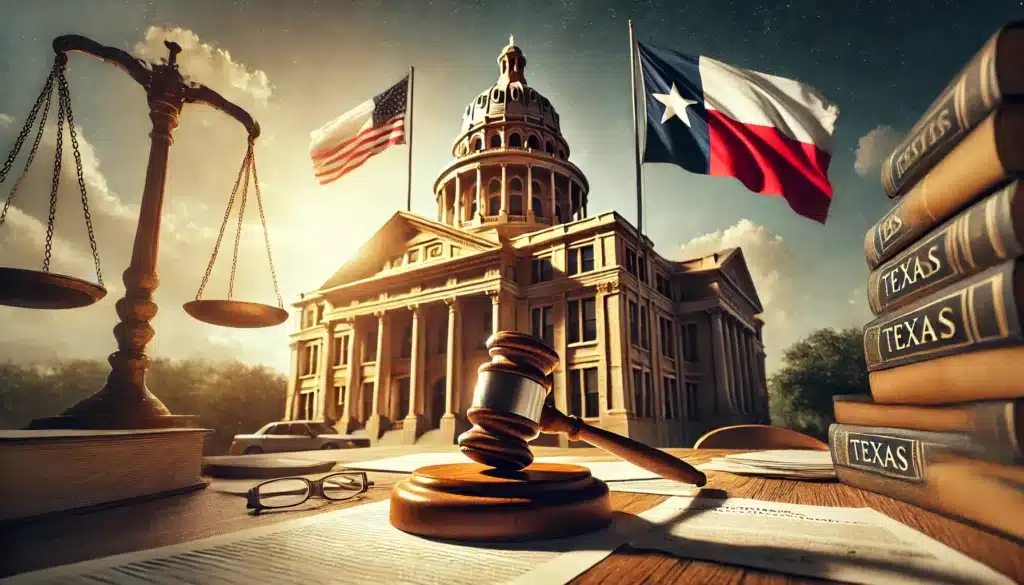
Texas is known for its rugged landscapes, vast prairies, scenic rivers, and diverse wildlife, making it a frequent destination for people who often ask is it illegal to pick bluebonnets in Texas or who want to better understand Texas environmental laws. At the same time, from rolling bluebonnet fields in spring to pine forests in the east and deserts in the west, the state’s natural beauty comes with strict environmental responsibility. Texas environmental laws are designed to protect land, water, plants, and wildlife, and violations such as illegal dumping, water contamination, or harming protected species can lead to serious consequences, including fines and, in more severe cases, criminal penalties.
Many people assume environmental violations result in minor fines, but enforcement in Texas can be strict depending on the nature of the offense. Individuals and businesses may face administrative penalties, civil liability for cleanup costs, or criminal charges in more serious situations.
In this article, we will explore Texas environmental laws, what happens when they are broken, and how compliance helps protect the state’s natural resources.
Understanding Texas Environmental Laws
Texas environmental laws are enforced primarily by two state agencies:
- The Texas Commission on Environmental Quality (TCEQ) – Responsible for air and water quality regulation, hazardous waste oversight, and environmental compliance for individuals and businesses.
- The Texas Parks and Wildlife Department (TPWD) – Focuses on protecting wildlife, natural habitats, state parks, and enforcing hunting, fishing, and conservation laws.
Texas is also subject to federal environmental regulations enforced by agencies such as the Environmental Protection Agency (EPA) and the U.S. Fish and Wildlife Service. Together, these agencies help prevent pollution, protect ecosystems, and regulate natural resource use.
Penalties for violating environmental laws in Texas vary based on the type of offense, the extent of environmental damage, and whether the violation is repeated or intentional.
Destroying or Picking Protected Plants: A Crime You Might Not Expect
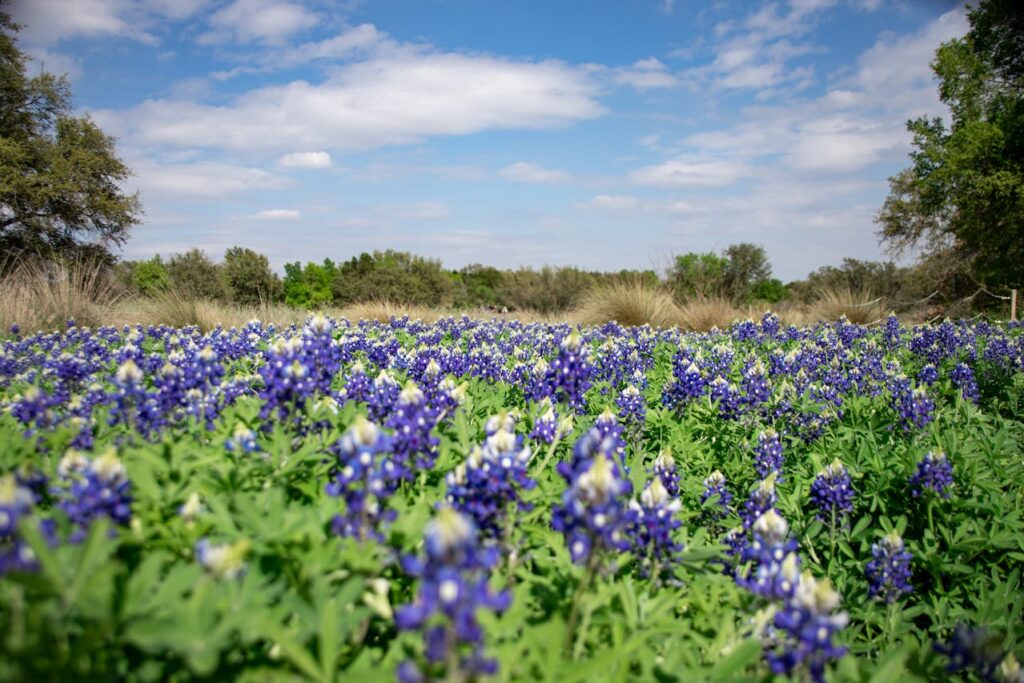
Texas is famous for its wildflowers, especially the bluebonnet, the state flower. Every spring, fields and highways across Texas bloom with vibrant blue flowers, which often leads people to ask is it illegal to pick bluebonnets in Texas.
Is It Really Illegal to Pick Bluebonnets?
There is no specific Texas law that makes it universally illegal to pick bluebonnets. However, problems arise when picking occurs on state-managed land, such as highway rights-of-way or public parks. In these cases, damage to vegetation or trespassing rules may apply, and enforcement can result in fines.
What About Other Protected Plants?
While bluebonnets are generally not protected as a restricted species, Texas does protect certain rare and endangered plants. Removing or damaging these species without authorization can result in penalties, including fines and legal action. Examples include:
- Texas wild rice
- Navasota ladies’ tresses
- Texas poppy mallow
- South Texas ambrosia
Additionally, penalties may include fines per plant and, in serious cases, criminal charges for harming protected natural resources.
Illegal Dumping: A Dirty Crime With Serious Penalties
Illegal dumping is one of the most commonly enforced violations under Texas environmental laws. It ranges from small-scale littering in unauthorized areas to large industrial waste disposal, and penalties increase based on both the amount and type of material involved.
Texas Illegal Dumping Penalties Overview
| Amount of Waste | Offense Level | Possible Penalties |
|---|---|---|
| Less than 5 pounds | Class C misdemeanor | Fines up to $500 |
| 5 to 500 pounds | Class B misdemeanor | Fines up to $2,000 and up to 180 days in jail |
| More than 500 pounds | State jail felony | Up to 2 years in state jail and fines up to $10,000 |
| Hazardous materials | Felony (enhanced level) | Higher fines and potential multi-year prison sentences depending on environmental harm |
Illegal dumping includes disposing of household trash in unauthorized areas, abandoning construction debris, or improperly discarding chemicals and industrial waste. When hazardous materials are involved, penalties escalate quickly under Texas environmental laws.
In addition to fines and possible jail time, offenders may also be required to pay cleanup costs, which can significantly increase the financial impact depending on the extent of environmental damage.
Water Pollution: Contaminating Texas’s Rivers and Lakes
Texas relies heavily on its rivers, lakes, and coastal waters for drinking water, agriculture, and ecosystems. As a result, violations of environmental laws involving water pollution are taken seriously.
Common violations include:
- Dumping toxic substances into waterways
- Oil or fuel spills
- Agricultural runoff affecting water quality
Consequences may include:
- Court-ordered cleanup costs, which can be substantial
- Heavy daily civil fines
- Criminal prosecution in severe cases
Harming Wildlife: The Harsh Reality of Poaching and Illegal Fishing

Texas has a wide range of wildlife protected under state and federal law. Hunting and fishing are legal and regulated activities, but violations are strictly enforced.
Examples of violations include:
- Hunting or fishing without a license
- Violating seasonal or location restrictions
- Using illegal methods such as poison or explosives
- Targeting protected or endangered species
Penalties may include fines, and in more serious cases, jail time for serious offenses. In addition, offenders may lose hunting and fishing privileges.
Conclusion: Protecting Texas for Future Generations
Texas is a state defined by natural beauty, but that beauty depends on responsible behavior. Environmental laws exist to protect ecosystems, wildlife, and natural resources, and violations can result in serious consequences under Texas environmental laws, including fines, cleanup costs, and even criminal charges in severe cases.
Whether you are a resident or visitor wondering if it is illegal to pick bluebonnets in Texas or simply trying to understand environmental laws, compliance helps preserve Texas landscapes for future generations.
Frequently Asked Questions
Texas environmental laws are designed to protect air, water, land, wildlife, and plant life across the state. They regulate activities such as waste disposal, pollution, hunting, and land use to prevent long-term environmental damage. Agencies like the Texas Commission on Environmental Quality and Texas Parks and Wildlife Department enforce these rules.
It is not generally illegal to pick bluebonnets in Texas under state law. However, issues can arise if you pick them on private property without permission or damage vegetation on public land, such as highway rights-of-way or parks. In those cases, trespassing or property damage rules may apply.
Violations of Texas environmental laws can lead to a range of consequences depending on severity. In many cases, these may include fines, civil penalties, and cleanup costs, while in more serious situations, they can result in criminal charges. Additionally, repeated or large-scale violations can escalate to felony-level offenses.
Illegal dumping includes disposing of trash, furniture, construction debris, chemicals, or other waste in unauthorized locations. It also includes abandoning materials on public or private land without permission. Penalties increase based on the amount and type of waste involved.
Yes, certain environmental violations can lead to jail time in Texas, especially in cases involving large-scale illegal dumping, hazardous waste, or intentional environmental harm. Lesser violations may result in fines or misdemeanor charges, while more serious offenses can be prosecuted as felonies.
Other Related Articles
- From Rodeo to the Roadside: What to Know About Texas DWI Laws
- Emerging Poppi Lawsuit: Consumers Sue After Misleading Promise
- The DOJ’s Surprises Apple With An Antitrust Lawsuit
- Deed Restrictions vs. Zoning Laws: Unraveling the Differences
- The Distinctive Role of Class Action Lawsuits in Civil Law vs. Criminal Charges
- Lina Hidalgo in the Courtroom: A Deep Dive into the Recent Lawsuit
- Preserving National Parks: Daring Visitors Surprisingly Trespass
- Fireworks in Texas
- Wildlife Exploit: Valdez Illegal Animal Trade
- Car vs. Truck Accidents: 6 Critical Aftermath & Claim Differences That Could Cost You Millions