
If you are wondering how to fill out a power of attorney form in Texas, the process starts with understanding the legal requirements and completing the document accurately. A power of attorney allows you to authorize someone you trust to act on your behalf for financial and legal matters or as part of your future planning if you become incapacitated.
This step-by-step guide explains how to fill out a power of attorney form in Texas from start to finish. It covers choosing the right document, completing it correctly, and meeting Texas legal requirements for a valid power of attorney. By following these steps, you can create a power of attorney that reflects your wishes and can be relied upon when it is needed most.

Step 1: Choose the Right Type of Power of Attorney
Before completing any paperwork, decide which type of power of attorney best fits your situation. In Texas, most financial powers of attorney are governed by the Texas Estates Code. They are presumed to be durable unless the document clearly states otherwise. A durable power of attorney remains effective even if you become incapacitated, making it the most common option for estate planning.
It is also important to understand that not every power of attorney serves the same purpose. For example, healthcare decisions require a separate Medical Power of Attorney. This document is governed by different laws and has its own execution requirements. Choosing the wrong type of power of attorney can result in limited authority or the unintended termination of your agent’s powers at a critical time.
Common Types of Powers of Attorney in Texas
The table below compares the most common types of powers of attorney used in Texas.
| Type of Power of Attorney | What It Does | Key Texas Law Considerations |
|---|---|---|
| Durable Power of Attorney | Allows an agent to manage financial and legal matters and remains effective if you become incapacitated | Must contain language showing that the authority continues despite the principal’s subsequent disability or incapacity, as provided under the Texas Estates Code |
| Non-Durable Power of Attorney | Grants financial authority that ends if you become incapacitated | Rarely used for estate planning because the agent’s authority automatically terminates upon the principal’s incapacity |
| Limited or Special Power of Attorney | Authorizes an agent to perform specific tasks for a limited purpose or period | Should clearly define the scope and duration of the agent’s authority to help avoid confusion or rejection by third parties |
| Medical Power of Attorney | Allows an agent to make healthcare decisions if you cannot make or communicate those decisions yourself | Governed separately by the Texas Health and Safety Code and has its own execution requirements and statutory disclosures |
| Springing Power of Attorney | Becomes effective upon the event specified in the document, often the principal’s incapacity | May cause delays because third parties often require proof that the triggering event has occurred before honoring the document |
Step 2: Select Your Agent(s)
Choosing an agent is a critical part of creating a valid and effective power of attorney. The person you name will have legal authority to act on your behalf, so this decision deserves careful thought.
Choosing the right person to act on your behalf
When learning how to fill out a power of attorney form, it is important to understand the authority you are granting. Your agent should be someone you trust completely to act honestly, responsibly, and in line with your wishes. Many people choose a spouse, adult child, close family member, or trusted friend. However, the best choice depends on your personal circumstances.
As you evaluate potential agents, consider their reliability, financial responsibility, availability, and ability to handle stressful or complex situations. Your agent does not need legal or financial training, but they should be organized, communicative, and willing to follow your instructions carefully. It is also wise to discuss your expectations with them in advance so there are no surprises later.
Naming multiple or successor agents
Texas law allows you to name more than one agent in your power of attorney. You may require co-agents to act jointly or allow each agent to act independently. Joint authority can provide accountability, but it may slow decision-making if the agents disagree or cannot coordinate. Independent authority allows faster action but requires a high level of trust.
You may also name a successor, or backup, agent to step in if your primary agent becomes unavailable or unable to serve. This extra layer of planning helps prevent gaps in authority and reduces the risk of delays if your circumstances change. Taking the time to structure your agent designations carefully can help ensure your power of attorney works as intended when it is needed most.
Step 3: Obtain the Proper Texas Power of Attorney Form
Texas law provides a statutory Durable Power of Attorney form under the Texas Estates Code. While you are not required to use the statutory form, many banks, financial institutions, and other third parties are more likely to accept it without hesitation. Using the statutory form can help reduce delays or refusals when your agent needs to act on your behalf.
You may obtain a Texas-compliant power of attorney form from the Texas Legislature’s website, through an experienced estate planning attorney, or from a reputable legal services provider. A custom-drafted power of attorney is also valid, provided it complies with Texas law.
A Texas power of attorney will typically include:
- The principal’s full legal name
- The agent’s full legal name
- A clear description of the powers being granted
- Language indicating whether the authority continues despite the principal’s subsequent disability or incapacity, if a durable power of attorney is intended
- The principal’s signature
- Acknowledgment before a notary public
If the power of attorney will be used to sign documents affecting real property, it must be notarized, and recording the document with the county clerk where the property is located is often necessary before third parties will rely on it. Always ensure the form you choose complies with the Texas Estates Code to help avoid delays or rejection by third parties.
Step 4: Fill Out the POA Form with the Necessary Information
With your form in hand, begin completing all required information. Complete the form clearly and legibly. The form will typically include prompts for:
- The principal’s full legal name and address
- The agent’s full legal name and address
- Alternate or successor agent(s), if applicable
- The powers you are granting to your agent
- When the powers will take effect (immediately or upon a future event specified in the document, such as incapacity)
- How long the powers will remain in effect (for a set period or until revoked, if applicable)
- Any special instructions or limitations on the agent’s authority
Be thorough and specific when describing the powers you are granting to help avoid confusion or disputes later. If you are unsure how to complete any portion of the form or whether certain powers should be included, consider consulting an experienced estate planning attorney.
Step 5: Check Over the Form Carefully
Before you sign anything, take time to carefully review the completed power of attorney form from beginning to end. This step is critical when learning how to fill out a power of attorney form because even small mistakes can create confusion or cause banks, healthcare providers, or other third parties to reject the document. Check that all names are spelled correctly, addresses are accurate, and the agent and any successor agents are clearly identified.
Pay close attention to the powers you granted. Make sure the authority listed matches your intentions and that no powers are missing or included by mistake. Confirm when the power of attorney becomes effective and whether it is durable, meaning it remains valid if you become incapacitated. If the form includes special instructions or limitations, review them carefully to ensure they are clear and enforceable.
Any errors identified before signing or notarizing the document are generally best corrected by completing a new form rather than making handwritten changes. Likewise, errors discovered after the power of attorney has been executed are usually best addressed by creating a new, properly completed document instead of altering the original. Taking the extra time to review your power of attorney carefully helps reduce the risk of delays or rejection when your agent needs to use it.
Step 6: Sign and Notarize the Power of Attorney
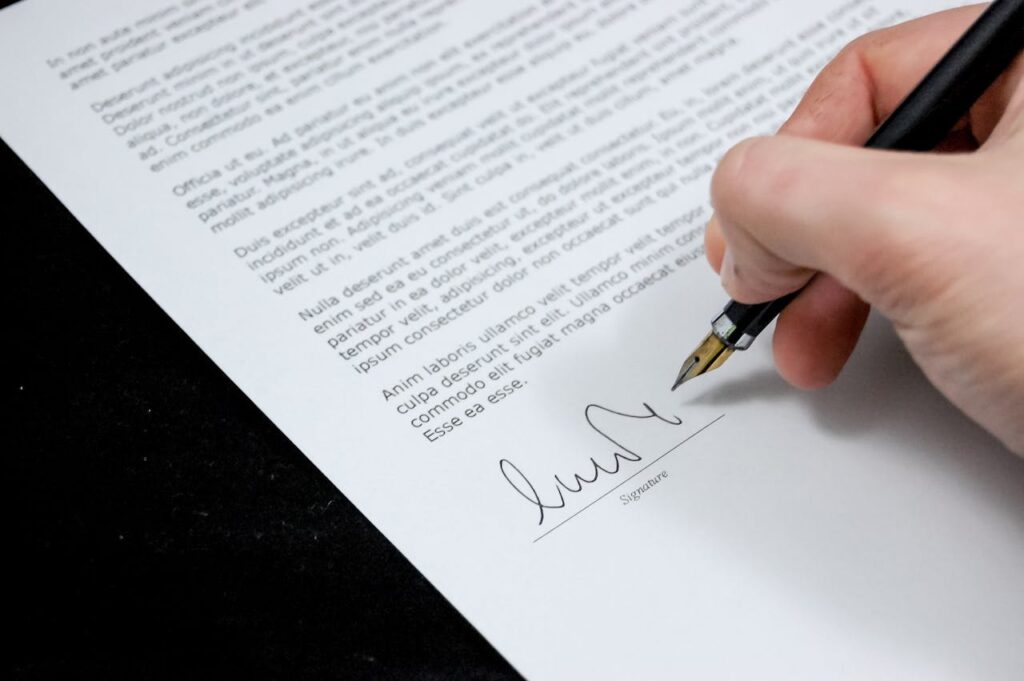
After reviewing the completed document, sign and date the power of attorney while you are mentally competent. The execution requirements depend on the type of power of attorney you are creating. For a Durable Power of Attorney, Texas law requires the principal’s signature to be acknowledged before a notary public.
To complete the notarization process, appear before a notary public with a valid government-issued photo ID. You should sign the document in the notary’s presence or acknowledge that the signature is yours. The notary will then complete the acknowledgment and affix their official seal.
Unlike some other estate planning documents, a Durable Power of Attorney does not require witnesses if it is properly notarized.
After notarization, review the document one final time to confirm that all signatures, dates, and the notary’s acknowledgment are complete and legible. Missing information can delay or prevent acceptance of the power of attorney when your agent needs to use it.
If the power of attorney will be used to sign documents affecting real property, it must be notarized, and recording the document with the county clerk where the property is located is often necessary before third parties will rely on it. Some financial institutions may also have their own procedures for accepting a power of attorney, so confirming their requirements in advance may help avoid delays.
Step 7: Distribute Copies of the Signed Power of Attorney

Once your power of attorney is properly signed and notarized, distributing copies becomes just as important as executing the document. Your agent should have a copy readily available so they can act on your behalf when needed. You may also wish to provide copies to banks, financial institutions, investment firms, healthcare providers, insurance companies, or other organizations that may need to rely on the power of attorney.
Keep the original document in a safe but accessible location, such as a home safe or with your estate planning records. Let trusted family members know where it is stored so it can be located quickly if necessary.
If the power of attorney will be used to sign documents affecting real property, recording it with the county clerk where the property is located is often necessary before third parties will rely on it. Taking these steps helps ensure your power of attorney is readily available, recognized, and accepted when your agent needs to use it.
Tips on How to Fill Out a Power of Attorney Form in Texas
When learning how to fill out a power of attorney form in Texas, these practical tips can help you avoid common mistakes and ensure your document works as intended.
- Choose your agent carefully. Select someone you trust to act responsibly and in your best interests, and discuss your expectations before naming them.
- Use a Texas-compliant form. The statutory Durable Power of Attorney form provided under the Texas Estates Code is widely recognized and may help reduce acceptance issues.
- Clearly define the agent’s authority. Specify the powers you want to grant and include any necessary limitations to avoid confusion.
- Decide when the POA becomes effective. It can take effect immediately or upon a future event specified in the document, such as incapacity.
- Include appropriate durability language. A durable power of attorney should clearly indicate that the agent’s authority continues despite your subsequent disability or incapacity.
- Follow Texas execution requirements. A Durable Power of Attorney must be acknowledged before a notary public to be valid.
- Name a successor agent. A backup agent can step in if your primary agent is unable or unwilling to serve.
- Review the completed document carefully. Check for errors before signing, and complete a new form rather than making handwritten changes.
- Store and distribute copies properly. Give your agent a copy and keep the original in a safe, accessible location.
Following these tips can help ensure your power of attorney is legally valid, readily accepted, and available when it is needed most.
Conclusion
Knowing how to fill out a power of attorney form correctly is the first step toward creating a document that is valid, enforceable, and tailored to your needs. Choosing the right agent, clearly defining their authority, and carefully reviewing every section can help prevent confusion or disputes later.
By following the proper steps and complying with Texas signing and notarization requirements, you can create a legally sound power of attorney with confidence. Taking the time to complete the form accurately helps ensure your affairs will be managed according to your wishes if you are ever unable to handle them yourself.
Need Help Creating a Valid Texas Power of Attorney?
Knowing how to fill out a power of attorney form is only part of the process. Choosing the right type of POA, granting the appropriate powers, and ensuring the document complies with Texas law can help prevent delays, disputes, or rejection when your agent needs to act on your behalf.
The attorneys at Law Office of Bryan Fagan help individuals and families create customized Texas powers of attorney as part of a comprehensive estate plan. Whether you need a durable power of attorney, want to update an existing document, or have questions about your legal options, our team can provide guidance tailored to your unique circumstances.
Schedule a consultation with the Law Office of Bryan Fagan today to create a Texas power of attorney that protects your interests and gives you confidence about the future.
Frequently Asked Questions
Yes. Texas law does not require you to hire an attorney to complete a power of attorney form. However, legal guidance may be beneficial if you have complex assets, want to grant specialized powers, or need help ensuring the document complies with Texas law.
Yes. As long as you remain mentally competent, you can revoke your power of attorney or execute a new one. You should also notify your agent and any banks or other institutions that received the previous document so they know it is no longer valid.
It depends on the terms of the document. A power of attorney may end on a specified date, when its purpose has been fulfilled, upon revocation by the principal, or automatically at the principal’s death.
Not necessarily. Even a properly executed power of attorney may be reviewed before it is accepted. Using the Texas statutory Durable Power of Attorney form and ensuring the document is properly completed and notarized can help reduce delays.
No. A power of attorney automatically terminates upon the principal’s death. After death, authority to manage the estate generally passes to the executor named in the will or another legally authorized personal representative.
Related Articles
- Durable POA vs POA: What Is the Difference Between Durable Power of Attorney and Power of Attorney in Texas?
- Texas Medical Power of Attorney: What It Is, How It Works, and Why You Need One
- Protect Your Future: A Comprehensive Guide to Durable Power of Attorney in Texas for 2026
- A Compassionate Guide to Your Medical Power of Attorney in Texas
- What Is a Durable Power of Attorney: A Practical Guide
- Power Of Attorney Vs Guardianship For Texas Families
- Financial Power of Attorney in Texas: Managing Your Assets with Confidence
- Can a Power of Attorney Override a Living Will or Not? What Texas Law Says
- Advance Directive vs Living Will vs Power of Attorney: How to Protect Your Wishes While You Still Can
- How to Use a Power of Attorney for Business Transactions in Texas