
Stephen Lara, a former U.S. Marine, became nationally known after challenging Nevada’s use of civil asset forfeiture. His case began after a 2021 traffic stop in which law enforcement seized nearly $87,000 in cash. No criminal charges were filed. What started as a roadside encounter soon turned into a closely watched legal battle. It raised broader questions about government power and due process rights. It also highlighted financial incentives tied to forfeiture laws.
Today, Lara’s case is often cited in discussions about civil forfeiture reform. It is also frequently referenced in debates over the federal equitable sharing program. That program allows state and federal agencies to work together in certain seizure cases.
When It All Began
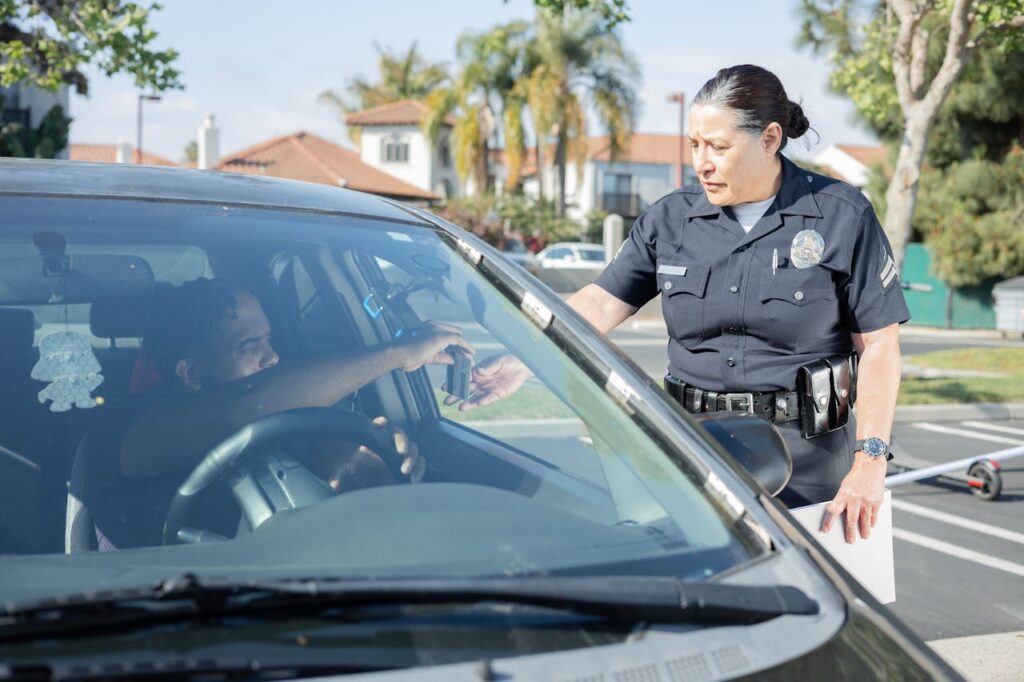
Lara’s story began in February 2021 when he was driving from Texas to California to visit his daughters. During this trip, he was pulled over by Nevada State Troopers, who claimed he was following another vehicle too closely. What followed was a series of events that would propel Lara into a legal fight not only for the return of his seized money but also for broader reforms in Nevada’s forfeiture laws.
Lara Was Carrying His Life Savings
At the time of the stop, Lara was carrying $86,900 in cash. He described it as his life savings, supported by ATM receipts. He had recently lost his job during the early months of the COVID-19 pandemic. Lara was also in the process of rebuilding his life after military service.
After he informed officers about the cash, they brought in a drug-sniffing dog. The dog allegedly alerted to the presence of narcotics. Despite no evidence of drugs and no criminal charges filed, the Nevada Highway Patrol (NHP) seized the money. The cash was then transferred to the Drug Enforcement Administration (DEA) through the equitable sharing program. This program allows state and federal agencies to share proceeds from certain forfeitures.
The Seizure Left Him Without Access To His Savings
For nearly a year, Lara went without access to the money he described as his life savings, and authorities never brought criminal charges against him. After filing a lawsuit with help from the Institute for Justice, the DEA later agreed to return the money. However, Lara continued his legal challenge. He sought to contest the constitutionality of Nevada’s civil forfeiture laws. He also challenged the state’s participation in the federal equitable sharing system. Lara’s case argues that these laws create financial incentives for law enforcement agencies. These incentives may undermine citizens’ due process rights under Nevada law.
Stephen Lara’s fight has made him a powerful symbol in the debate over civil forfeiture abuses. His case has drawn widespread attention to the often-overlooked issue of how civil forfeiture can affect individuals who are never convicted or even charged with crimes. Critics argue that these laws can leave innocent people entangled in costly legal battles to recover their property.
Civil Forfeiture vs. Criminal Forfeiture
One of the most important distinctions in understanding cases like Stephen Lara’s is the difference between civil forfeiture and criminal forfeiture. While both involve government seizure of property, they operate under very different legal standards.
| Aspect | Civil Forfeiture | Criminal Forfeiture |
|---|---|---|
| Legal action targets | The property itself | The person (after conviction) |
| Criminal charge required | No | Yes |
| Burden of proof | Lower (varies by state) | Higher (beyond reasonable doubt for conviction first) |
| Timing | Can occur before or without charges | Occurs after conviction |
| Key controversy | Possible seizures without conviction | Tied directly to proven criminal conduct |
Civil forfeiture allows law enforcement to seize money, vehicles, or property based on allegations that the assets are connected to criminal activity, even if the owner is never charged or convicted. Criminal forfeiture, by contrast, only occurs after a criminal conviction and is part of the sentencing process.
Stephen Lara’s case highlights this distinction. His money was seized without any criminal conviction. This places the case within the civil forfeiture framework rather than criminal forfeiture.
What Is Stategraft?

Professor Bernadette Atuahene, a legal scholar and property law expert, introduced the term “stategraft” to describe a specific form of governmental corruption in which public authorities illegally extract wealth from citizens. The term refers to situations where governments or their agents unlawfully appropriate funds. This may happen intentionally or unintentionally. In either case, resources are diverted away from individuals and into state coffers. Stategraft can take many forms. However, it has a clear defining feature. It involves a systematic transfer of wealth from residents to the government without legitimate legal justification.
A Form Of Civil Asset Forfeiture
Stategraft is distinct from traditional corruption in that it is often carried out under the guise of legality or procedural norms. One commonly cited example is civil asset forfeiture, where law enforcement agencies seize money or property from individuals without necessarily charging them with a crime. State or federal agencies may retain the funds or property, creating a direct financial benefit for the government. Although civil forfeiture laws are intended to combat criminal activity, particularly drug-related offenses, critics argue that the system can be susceptible to abuse when financial incentives overshadow individual rights.
Equitable Sharing
The practice of equitable sharing is a prominent example that has come under scrutiny in debates surrounding civil forfeiture. In this program, state agencies may seize property and transfer it to federal authorities, who retain a portion of the proceeds and return the rest to the state agency involved. Critics argue that this creates a financial incentive for state agencies to pursue seizures even in situations where no criminal charges are filed. In cases like Stephen Lara’s lawsuit against Nevada officials, critics claim the system prioritizes revenue generation over due process protections.
In essence, critics argue that stategraft undermines the foundational principles of fairness and justice in governance, blurring the lines between lawful government action and improper extraction of private resources. It has become a significant point of contention in legal and policy discussions, particularly in the realm of civil forfeiture and equitable sharing programs.
A Landmark Case: Stephen Lara’s Lawsuit Against Nevada Officials
Stephen Lara’s lawsuit against Nevada officials is a landmark case in the battle against civil forfeiture abuses. His legal action stems from a February 2021 incident in which Nevada State Troopers, during a traffic stop, seized his life savings of $86,900 without charging him with a crime. Lara’s lawsuit, filed with the assistance of the Institute for Justice, challenges Nevada’s civil forfeiture laws and the state’s participation in the equitable sharing program.
There Is A Financial Incentive To Seize Money
At the core of Lara’s lawsuit is his claim that Nevada’s participation in the federal equitable sharing program enables state law enforcement agencies to bypass stricter state forfeiture protections by transferring seized property to federal authorities. Under this program, the federal agency—typically the Drug Enforcement Administration (DEA)—retains a portion of the proceeds, while the rest may be returned to the state agency involved. Critics argue this structure creates financial incentives that can encourage aggressive seizure practices with limited procedural safeguards for property owners.
Lara Argues Nevada Due Process Protections Were Violated
Lara’s legal challenge is multifaceted, attacking several aspects of Nevada’s forfeiture system. He argues that the seizure of his money violated the Nevada Constitution’s due process clause, which is intended to provide protections for individuals against improper government action. His lawsuit also contends that Nevada Highway Patrol (NHP) lacks the statutory authority to participate in certain aspects of federal forfeiture programs like equitable sharing. Additionally, he argues that Nevada’s laws create incentives for law enforcement agencies to prioritize seizures without sufficient accountability or judicial oversight.
The Court Allowed The Case To Proceed
In a significant victory for Lara, a Nevada court denied efforts to dismiss key portions of the lawsuit, allowing the case to move forward. This decision means the court will further examine Nevada’s civil forfeiture practices and Lara’s constitutional claims. State officials had argued that NHP was effectively acting under federal authority after transferring the funds to the DEA and therefore should be shielded from certain state-law claims. However, the court allowed Lara’s challenge to continue at this stage of the litigation.
Why This Case Matters
Stephen Lara’s case against Nevada officials carries significance far beyond the personal injustice he alleges he endured when law enforcement seized his life savings. His lawsuit tackles the broader issue of civil asset forfeiture, a controversial practice criticized for allowing government agencies to confiscate individuals’ property without requiring a criminal conviction. In many cases, property owners must fight lengthy legal battles to recover seized assets even when they are never charged with crimes.
His Case Shows How These Laws Can Be Abused
What makes Lara’s case particularly significant is the exposure it provides to the broader systemic concerns associated with civil forfeiture laws, not just in Nevada, but across the United States. His legal challenge underscores concerns that forfeiture laws may create financial incentives for agencies to prioritize seizures in ways critics believe can conflict with due process protections.
It Highlights How State And Federal Agencies Work Together In Forfeiture Cases
The equitable sharing program, at the heart of Lara’s case, highlights how state and federal agencies collaborate in civil forfeiture cases. Critics argue the system may allow agencies to bypass stricter state protections by transferring cases into the federal forfeiture system. Under equitable sharing, local law enforcement agencies can receive a substantial percentage of forfeiture proceeds after assets are transferred to federal authorities.
Could Inspire Reform In Other States
The constitutional implications of Lara’s lawsuit also contribute to its significance. By challenging Nevada’s forfeiture laws under the state’s due process clause, Lara’s case brings attention to concerns about how financial incentives may influence law enforcement behavior. The fact that the court allowed portions of the lawsuit to proceed signals that these legal questions warrant judicial review. A ruling in Lara’s favor could potentially affect aspects of Nevada’s forfeiture system and inspire similar legal challenges in other states.
Moreover, the outcome of this case could have broader implications for debates over civil forfeiture reform nationwide. Supporters of reform argue that stronger procedural protections could help prevent innocent individuals from being unjustly deprived of their property while still allowing law enforcement to combat criminal activity.
How The NHP Is Trying To Defend Itself

The Nevada Highway Patrol (NHP) is mounting a multi-pronged defense in response to Stephen Lara’s lawsuit challenging their role in the seizure of his cash. NHP argues that officers acted lawfully during the traffic stop and subsequent seizure process. The agency also points to the federal equitable sharing program, under which the funds were transferred to the Drug Enforcement Administration (DEA).
Claim They Were Acting Under Federal Authority
A key aspect of NHP’s defense is its argument that the seizure became governed largely by federal forfeiture procedures once the money was transferred to the DEA. State officials have argued that this federal involvement limits the scope of certain claims brought under Nevada law. However, this argument does not necessarily mean the officers literally became federal employees or formally deputized federal agents.
States That There Is No Active Case Since The Money Was Returned
In addition, NHP has argued that Lara’s claims should be limited because the DEA ultimately returned the money and did not pursue forfeiture proceedings against him. State officials have attempted to frame the matter as resolved after the return of the funds, while Lara argues that the constitutional questions raised by the seizure remain important despite the return of the money.
What To Do If Police Seize Your Cash During a Traffic Stop
Understand That Carrying Cash Is Not Illegal
Many people mistakenly believe that carrying a large amount of cash is automatically a crime. In reality, possessing cash is legal in the United States. However, large sums of money can attract police attention during traffic stops, especially when officers suspect possible drug trafficking or other criminal activity. Even without an arrest, officers may attempt to seize money under civil forfeiture laws if they claim the cash is connected to illegal conduct.
Individuals should remain calm and avoid making inconsistent statements about where the money came from or what it will be used for. If possible, travelers carrying significant amounts of cash should keep documentation showing the source of the funds, such as bank withdrawal receipts, pay records, business records, or sales documents.
Know Your Rights During a Traffic Stop
DDrivers generally retain important constitutional rights during traffic stops. While the exact scope can depend on the situation, individuals may:
- Remain silent beyond providing basic identification in required situations
- Refuse consent to searches of their vehicle or personal belongings
- Ask whether they are free to leave or whether they are being detained
- Decline to answer questions unrelated to the traffic violation
Even when officers have authority to conduct certain searches under specific legal exceptions, consent is not automatically required. It is also important to remain calm and avoid physical resistance, even if you believe the stop is unlawful.
Contact a Lawyer Immediately After a Seizure
Civil asset forfeiture cases often move quickly and involve strict procedural deadlines. If your property has been seized, taking immediate action can be critical. You should:
- Request documentation of the seizure, including a receipt or inventory of items taken
- Identify the agency involved and where the property is currently held
- Gather financial or ownership records that prove the lawful source of the property
- Consult an attorney experienced in forfeiture law as soon as possible
In many cases, missing filing deadlines can result in permanent loss of property even without a criminal conviction. Early legal intervention can significantly improve the chances of recovering seized assets or challenging the forfeiture in court.
Conclusion
Stephen Lara’s case sits at the center of a broader debate over how civil asset forfeiture works in practice. It also raises questions about whether current safeguards are strong enough to protect individuals from wrongful or overly aggressive seizures. While his lawsuit specifically challenges Nevada’s procedures and its participation in the federal equitable sharing program, the issues go far beyond a single traffic stop.
As the case moves through the legal system, its outcome may help clarify how far governments can go in seizing and retaining property without a criminal conviction. It may also define what limits the Constitution places on those actions. Regardless of the final ruling, Stephen Lara’s challenge has already contributed to a wider public conversation about civil forfeiture reform.
Need Help? Call Us Now
If you or someone you know is facing criminal charges, you do not have to navigate the system alone. The Law Office of Bryan Fagan is here to provide clear guidance, strong advocacy, and support at every stage of the criminal justice process. Our attorneys take the time to explain your options, answer your questions, and help you understand what to expect so you can make informed decisions about your case.
Every case is different, and we focus on building a defense strategy tailored to your specific circumstances. Whether you are dealing with an investigation, arrest, or pending charges, we work to protect your rights and pursue the best possible outcome under the law.
We offer a free consultation at your convenience, available by Zoom, Google Meet, phone, email, or in-person appointment. To speak with a member of our team, call us today at (281) 810-9760.

Related Articles
- What to Do When the Police Stop You
- Underhanded Insider Trading: The Federico Nannini Case
- Ronald Bauer: Lavishly Living On Stolen Money
- Resisting Arrest Vs. Evading Arrest In Texas: What’s The Difference?
- Embezzlement: Legal Consequences and Defenses
- Las Vegas Under Fire: Survival Of Campus Shooting
- When Bail Fails: Understanding Bail Forfeiture
- Asset Forfeiture In Drug Possession Cases
- Nevada To Arizona: The Astonishing Two State Shooting Spree
- Forfeiture Versus Restitution In Texas Criminal Law
Frequently Asked Questions
Civil asset forfeiture is a legal process that allows law enforcement to seize money, vehicles, or other property if they suspect it is connected to criminal activity. In many cases, the government can proceed even without filing criminal charges against the property owner. Critics argue this raises serious due process concerns because owners may need to fight in court to recover their property.
No, Stephen Lara was not charged with any crime following the traffic stop where his cash was seized. His case has drawn attention largely because the forfeiture occurred without a criminal prosecution. This is one of the central issues raised in his legal challenge.
Equitable sharing is a federal program that allows state and local law enforcement agencies to transfer seized property to federal authorities. The federal government then shares a portion of the proceeds with the local agency. Critics argue this can create financial incentives for seizures even when criminal charges are not filed.
Lara’s case is seen as important because it challenges how civil forfeiture and equitable sharing operate in practice. It raises constitutional questions about due process and whether financial incentives can influence law enforcement decisions. The outcome could influence future forfeiture reforms in other states.
Yes, police can seize large amounts of cash during a traffic stop if they believe it is connected to criminal activity. However, the owner does not need to be charged with a crime for forfeiture proceedings to begin. Individuals may need to go through legal processes to recover the money, which can be complex and time-consuming.