

Ever tried splitting a bedtime routine between two homes? One night it’s storybooks and tucked-in kisses, the next it’s late-night movies and forgotten toothbrushes. Now picture someone—maybe a court-appointed evaluator—stepping in to decide which version of that routine is “best” for your child. It’s a lot, we know. That’s why understanding the factors influencing custody evaluation decisions is so important, especially when your parenting is suddenly under a legal microscope.
In this article, we’ll walk you through what custody evaluators really look for (hint: it’s not about being perfect), how Texas courts interpret emotional and home stability, and the small daily habits that can make a big impact. You’ll get practical tips, real examples, and legal insights from our team at The Law Office of Bryan Fagan, PLLC—trusted family law attorneys dedicated to educating families and protecting futures.
Keep reading if you want to feel prepared, not panicked, when the topic of custody evaluations comes up. We’re here to help you show up as your best parenting self—and prove it, too.
Key Takeaways
- The court prioritizes the child’s best interests, focusing on their emotional, psychological, and physical well-being in custody evaluations.
- Parental involvement, home stability, and the quality of the parent-child relationship are critical factors influencing custody decisions.
- History of abuse, parents’ physical and mental health, and co-parenting skills play significant roles in shaping custody arrangements to ensure the child’s welfare.

Your Family’s Future Starts Here
Don’t navigate your legal journey alone. Schedule a consultation now and get the clarity and support you deserve.
Child’s Best Interests
In Texas custody cases, the court’s guiding principle is always the best interest of the child. As outlined in Texas Family Code §153.002, judges are required to prioritize a child’s emotional, psychological, and physical welfare above all else. This means that custody evaluations don’t just focus on surface-level routines—they examine the full scope of the child’s life, including emotional security, household stability, and each parent’s ability to foster a healthy environment.
Factors Influencing Custody Evaluation Decisions often center around parental involvement, consistency in caregiving, and how well each parent supports the child’s mental health. Evaluators—typically psychologists or licensed mental health professionals—may conduct interviews, home visits, and psychological testing to understand how each parent meets the child’s needs. As we’ve seen in our work with Texas families, small, everyday actions like attending therapy appointments or maintaining steady routines can significantly influence the evaluator’s conclusions.
These findings often carry weight in court, which is why understanding how judges interpret custody evaluations is crucial. To learn more about that process, explore our breakdown of how judges evaluate custody recommendations. Our legal professionals have helped many clients understand that while no parent is expected to be perfect, demonstrating commitment to emotional stability and respectful co-parenting often makes a lasting impression.
If you’re navigating a custody evaluation, take the time to review the best interest standard in Texas law. Knowing what evaluators and judges look for helps you focus on what truly matters: protecting your child’s future. At The Law Office of Bryan Fagan, PLLC, we’re here to guide you with compassion, legal clarity, and an unwavering commitment to your family’s well-being.

Parental Involvement and Abilities
A parent’s day-to-day involvement in their child’s life carries considerable weight in Texas custody cases. According to Texas Family Code §153.134(a)(1), courts consider who has historically taken care of the child’s basic needs—things like meals, bath time, bedtime routines, and emotional support—when determining which parent should be granted the exclusive right to make decisions or serve as the primary conservator. But history isn’t the only factor; the court also evaluates each parent’s future potential to maintain or improve their caregiving role.
Among the most significant Factors Influencing Custody Evaluation Decisions is how actively a parent participates in the child’s education and extracurricular activities. From parent-teacher meetings and school projects to sports, music lessons, or therapy appointments, evaluators and judges look for consistent, meaningful involvement. This is particularly true when the child has special needs, where prior engagement in individualized support plans and ongoing care coordination can make a strong impression on both the evaluator and the court.
According to our family law team, social support networks also play a vital role in custody evaluations. Extended family members, trusted neighbors, and local resources like church groups or parenting support programs can all contribute to a stable and nurturing environment. These community ties are especially important for children with special needs, who often benefit from consistency and additional caregiving support. To learn more about what courts look for in a conservatorship case and how to strengthen your position, visit our comprehensive page on Texas child custody attorneys. At The Law Office of Bryan Fagan, PLLC, our legal professionals have helped many clients understand how everyday parenting efforts translate into legal advantages—because every detail matters when your child’s future is at stake.
Stability of the Home Environment
A stable home environment is crucial in custody evaluations, as it impacts the child’s well-being and development. A nurturing and hazard-free home provides essential emotional security. Evaluators closely examine the quality and safety of the child’s living environment.
Educational stability is another essential element. Maintaining consistency in schooling helps provide social continuity for the child, ensuring they continue learning in a supportive environment. Disruptions to the child’s routine can negatively affect their adjustment and overall stability.
Child’s Preferences
When deciding custody arrangements, Texas courts give thoughtful consideration to a child’s age, maturity, and ability to express a clear preference. Under Texas Family Code §153.009, a judge must interview a child 12 or older in chambers if requested, and may consider the preferences of younger children when appropriate. However, these preferences are just one piece of the puzzle. The court’s responsibility is to ensure that honoring a child’s wishes aligns with their emotional well-being, safety, and long-term stability.
Among the many Factors Influencing Custody Evaluation Decisions, the child’s expressed preferences are weighed alongside other critical elements like each parent’s stability, parenting history, and ability to foster a healthy relationship. As our attorneys frequently advise, evaluators are trained to detect whether a child’s opinion has been influenced by conflict or pressure. That’s why interviews and evaluator notes are often kept confidential—to protect children from feeling caught in the middle and to ensure their voices are considered appropriately and sensitively.
If you’re navigating this process, it’s important to understand both your rights and how to support your child through it with as little stress as possible. Our team recommends reading this guide on preparing for a custody evaluation for insight into what to expect and how to help your child feel safe. At The Law Office of Bryan Fagan, PLLC, we’re committed to helping Texas families protect their futures—while ensuring that every child’s needs and voice are respected throughout the legal process.

History of Abuse or Neglect
A documented history of abuse or neglect can be one of the most decisive Factors Influencing Custody Evaluation Decisions in Texas. Under Texas Family Code §153.004, courts are directed to restrict or deny custody or visitation if there is credible evidence of a pattern or history of physical or emotional abuse by one parent against the child, the other parent, or a spouse. These protections are designed to ensure that custody arrangements do not place the child in harm’s way—physically, emotionally, or psychologically.
While physical abuse often results in immediate and more visible legal consequences, emotional abuse and neglect carry significant long-term effects and are taken just as seriously. Neglect—such as a parent’s failure to provide proper nutrition, supervision, medical care, or education—can directly impact a parent’s fitness in the eyes of the court. As our attorneys frequently advise, psychological evaluations often play a critical role in these cases by identifying patterns of behavior that may not be immediately visible but still pose a risk to the child’s development or emotional safety.
If there is credible evidence of abuse, courts may impose safeguards such as supervised visitation, limitations on custody rights, or even termination of parental rights in extreme cases. To better understand how these evaluations unfold and what to expect when abuse or neglect is a concern, we recommend reading What to Expect During a Parenting Psychological Evaluation in Texas. Our legal professionals have helped many clients understand the importance of psychological evaluations when abuse allegations arise and how to navigate these sensitive issues with both strength and care. For additional insight, you can also explore our article on modifying custody orders due to safety concerns. At The Law Office of Bryan Fagan, PLLC, we are here to help ensure your child’s safety is prioritized every step of the way.

Physical and Mental Health of Parents
Parents’ physical and mental health are critical factors in custody evaluations. Courts evaluate whether health problems interfere with a parent’s ability to provide adequate care and a safe environment.
A parent’s emotional resilience and ability to handle stress are particularly important for emotional well being, especially in cases involving special needs children. Judges evaluate various factors as part of the custody assessment, including mental health, stress levels, and lifestyle stability.
Parent-Child Relationship Quality
One of the most vital Factors Influencing Custody Evaluation Decisions is the quality of the emotional bond between parent and child. Under Texas Family Code §153.009(a), courts are required to consider the child’s wishes in certain cases, but those wishes are often shaped by the strength of the parent-child relationship. Evaluators assess how well a parent connects with the child, provides consistent emotional support, and fosters a secure, nurturing environment. These factors directly impact the court’s determination of what arrangement will serve the child’s long-term emotional and psychological stability.
As our attorneys frequently advise, simply fulfilling physical needs is not enough. Active involvement in the child’s daily life—offering encouragement, attending important events, helping with routines, and being emotionally present—demonstrates the kind of relationship that evaluators and judges view as protective and healthy. Equally important is the parent’s own mental health and emotional resilience. Evaluators take note of a parent’s ability to handle conflict, regulate stress, and maintain a steady presence in the child’s life, particularly during times of transition.
In many cases, families are faced with the choice between courtroom litigation and resolving matters through alternative methods. To explore how different legal paths can affect the custody evaluation process and your relationship with your child, we recommend reading Child Custody Mediation vs. Litigation: What to Choose. You can also visit our child custody overview for additional guidance. At The Law Office of Bryan Fagan, PLLC, our legal professionals have helped many clients understand how to strengthen the emotional bond with their children while navigating complex custody matters with dignity and legal clarity.
Domestic Violence Considerations
Evidence of domestic violence is one of the most serious and weighty Factors Influencing Custody Evaluation Decisions in Texas family law. Under Texas Family Code §153.004, if the court finds credible evidence of physical or sexual abuse against a spouse, the child, or another parent, it must consider whether allowing that parent to have custody or unsupervised access would pose a risk. This provision exists to protect the child’s physical safety and emotional security, both of which are central to any custody determination.
Custody evaluators often rely on protective orders, police reports, therapist records, and eyewitness statements to assess the severity and credibility of abuse allegations. As our attorneys frequently advise, documentation is critical in these cases. When abuse has occurred, courts may limit a parent’s access to the child through supervised visitation, mandatory counseling, or even full termination of rights in extreme cases. At the same time, Texas law requires judges to carefully balance the rights of each parent with the overriding need to keep the child safe and supported.
To better understand how domestic violence allegations are handled during the custody process, we encourage you to read Texas Child Custody and Domestic Violence: What You Need to Know. You can also explore our family violence legal resources for additional help. At The Law Office of Bryan Fagan, PLLC, our legal professionals have helped many clients understand the legal protections available in Texas and how to advocate for their child’s safety while navigating emotionally complex custody cases with care, clarity, and strength.
Financial Stability and Support
Financial stability and support are vital in custody evaluations. The court evaluates each parent’s financial responsibility and resource availability to ensure the child’s needs are met. A good credit score and stable employment can positively influence the judge’s impression of a parent’s capability.
Judges scrutinize a parent’s debt situation and management of assets like real estate. The stability of a parent’s living conditions, including job security and financial health, is critical for the child’s welfare and a parent’s ability to provide for their needs, as reflected in the judge’s decision.
Co-Parenting Skills and Willingness
One of the most important Factors Influencing Custody Evaluation Decisions is each parent’s willingness and ability to co-parent effectively. Under Texas Family Code §153.134(a)(3), the court is required to evaluate the extent to which both parties encourage and accept a positive relationship between the child and the other parent. This means evaluators will closely examine how parents support one another’s role in the child’s life, especially in high-conflict or post-divorce situations.
As we’ve seen in our work with Texas families, poor communication, persistent conflict, or efforts to alienate the other parent can weigh heavily against a parent during custody evaluations. Courts and evaluators look for parents who demonstrate flexibility, emotional maturity, and the ability to put the child’s well-being above personal grievances. This is particularly vital for children with special needs, where coordinated care and consistent communication between parents can directly impact developmental success and daily stability.
If you’re concerned about how co-parenting dynamics may be evaluated in your case, our legal professionals recommend reviewing this article on the effect of a custody evaluation for additional insight. You can also explore our page on child custody in Texas to understand what judges and evaluators prioritize. At The Law Office of Bryan Fagan, PLLC, we are committed to guiding parents toward cooperative, child-centered solutions that serve both the legal process and your family’s long-term health.

Proximity Between Parents
Geographical proximity between one parent and parents is significant in custody evaluations, allowing easier implementation of joint custody and visitation schedules, which can make all the difference in benefiting the child’s relationship with both parents.
Close geographical proximity can enhance the child’s stability and security by allowing easy transitions between homes. If parents live far apart, it can create logistical challenges that may interfere with consistent visitation.
Special Needs of the Child
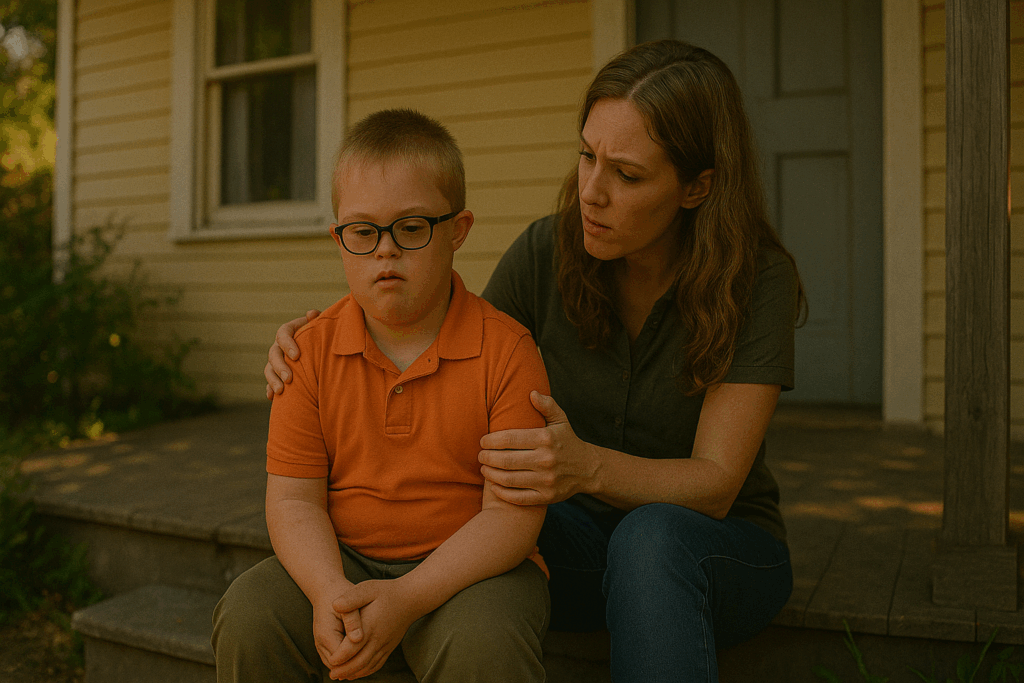
When a child has special needs, the court places significant emphasis on each parent’s ability to meet those needs when determining custody. According to Texas Family Code §153.002, the best interest of the child is the court’s paramount concern, and that includes the child’s physical, emotional, and developmental requirements. If one parent is better equipped to manage medical appointments, therapies, special education services, or daily care routines, that parent’s role may be weighed more heavily during a custody evaluation.
Factors Influencing Custody Evaluation Decisions in these situations include not only a parent’s practical ability to care for a child with special needs but also their willingness to coordinate with medical professionals, school staff, and the other parent. As our attorneys frequently advise, demonstrating a cooperative mindset and a structured approach to managing the child’s needs can strongly support your position in both evaluations and court. Custody evaluators often seek signs of stability, proactive care, and empathy—traits that point to a parent’s long-term ability to support the child’s growth.
For practical tools on how to prepare, especially when working with a custody evaluator in cases involving special needs, we recommend reading Methods to Help When Working with a Child Custody Evaluator. You can also explore our Texas Child Custody FAQ for more insight into how family courts approach these sensitive matters. At The Law Office of Bryan Fagan, PLLC, we’re dedicated to helping families navigate complex custody issues with legal clarity and heartfelt guidance—especially when a child’s special needs are at the center of the case.
Legal Guidance in Custody Evaluations
Navigating a custody evaluation is one of the most critical phases in a Texas family law case, and having experienced legal guidance by your side can make all the difference. Custody evaluations involve not only the emotional dynamics of parenting but also legal standards that must be met under Texas Family Code §107.101, which outlines the role and scope of court-ordered evaluations. Whether the process involves psychological assessments, home studies, or interviews with both parents and children, the legal nuances behind these evaluations can directly influence the outcome of your case.
Factors Influencing Custody Evaluation Decisions often extend beyond parenting skills. They include how well a parent presents during evaluations, their ability to maintain a safe and stable environment, and how effectively they cooperate with evaluators and the legal system. According to our family law team, parents who prepare thoughtfully and stay informed about what evaluators are looking for tend to approach the process with more confidence and clarity. Knowing what to expect—and how to respond—can reduce stress and help you avoid common pitfalls that might otherwise affect your credibility or case standing.
To help you take the right steps, we recommend reviewing this guide on getting yourself ready for a home study, which offers practical insight for families facing in-home evaluations. You can also explore our child custody overview to understand how Texas courts assess custody-related issues. At The Law Office of Bryan Fagan, PLLC, our legal professionals have helped many clients understand the evaluation process from both the legal and emotional perspective—always with the goal of protecting their children and securing the future they deserve.
Conclusion:
Custody evaluations can feel deeply personal—and let’s be honest, a little overwhelming. You’re being asked to prove something you already know in your heart: that you love your child and want what’s best for them. The truth is, these evaluations aren’t about being the “perfect” parent. They’re about showing consistency, emotional stability, and a home environment where your child can truly thrive.
If you’re facing a custody evaluation or simply preparing for what’s ahead, take a breath. You’re not alone in this process. With the right guidance and support, you can navigate the system with clarity and confidence. Our team at The Law Office of Bryan Fagan, PLLC is here to help you tell your story—the real one—and advocate for your child’s future every step of the way.
Whether you’re just starting your case or need strategic support now, reach out to connect with an experienced Texas family law attorney who understands both the law and the heart behind it. We’re ready when you are.
And hey, maybe tonight’s bedtime story includes a little more peace—and a little less chaos. We’ll help you get there.
Frequently Asked Questions About Custody and Parenting Decisions
What is the biggest mistake in custody battle?
The biggest mistake in a custody battle is letting emotions take control—especially if it leads to badmouthing the other parent in front of the child or court. Judges and evaluators prioritize the child’s best interests, and showing hostility or unwillingness to co-parent can severely hurt your case.
How many factors does the court evaluate when making a parenting time decision?
Courts typically evaluate a wide range of factors—often more than a dozen—depending on the case. These include the child’s age, emotional needs, parental involvement, home stability, physical and mental health of each parent, history of abuse or neglect, and the child’s preferences if they are old enough to express them.
What not to say in child support court?
Avoid saying anything that sounds like you’re trying to avoid financial responsibility for your child. Phrases like ‘I shouldn’t have to pay that much’ or ‘I don’t even see my kid’ can reflect poorly on your intentions. Always focus on the child’s needs and your willingness to support them within your means.
How to be a good witness in a child custody case?
To be a good witness, stay calm, tell the truth, and stick to the facts. Avoid emotional outbursts or attacks on the other parent. Focus on your parenting role, your child’s routine, and how you support their well-being. Being credible, consistent, and respectful in court will help your case tremendously.
How do you win a custody battle against a narcissist?
Winning custody against a narcissist requires documenting everything—texts, emails, missed visitations—and showing how their behavior negatively impacts the child. Work closely with a skilled family law attorney to build a calm, fact-based case that focuses on the child’s best interests, not the narcissist’s manipulation.
What is the best interest in child custody?
The ‘best interest of the child’ standard refers to the legal benchmark courts use to make custody decisions. It includes the child’s safety, emotional and physical well-being, stability, relationship with each parent, and continuity in daily life. Texas courts are guided by this principle under Family Code §153.002.
In which of the following situations might a court determine that a child has more than two legal parents per SB 274?
Under California Senate Bill 274, a court might determine a child has more than two legal parents if recognizing only two would be detrimental to the child. For example, in families involving a biological parent, a stepparent, and a long-term parental figure, the court could recognize all three as legal parents to preserve the child’s stability and welfare.
What influences parenting decisions?
Parenting decisions are influenced by a combination of emotional connection, consistency, safety, and the child’s developmental needs. Courts also consider each parent’s ability to co-parent, provide a stable environment, support the child’s routine, and prioritize the child’s physical and emotional health.