
Texas has a strong gun culture and some of the broadest firearm rights in the country, but Texas gun laws still place major restrictions on who can legally possess a firearm. A charge involving unlawful possession of a firearm Texas cases can quickly become serious because both Texas and federal law may apply at the same time. Even though Texas allows permitless carry for many adults, people with certain criminal convictions, protective orders, immigration issues, or other legal disqualifications can still face arrest for possessing a gun.
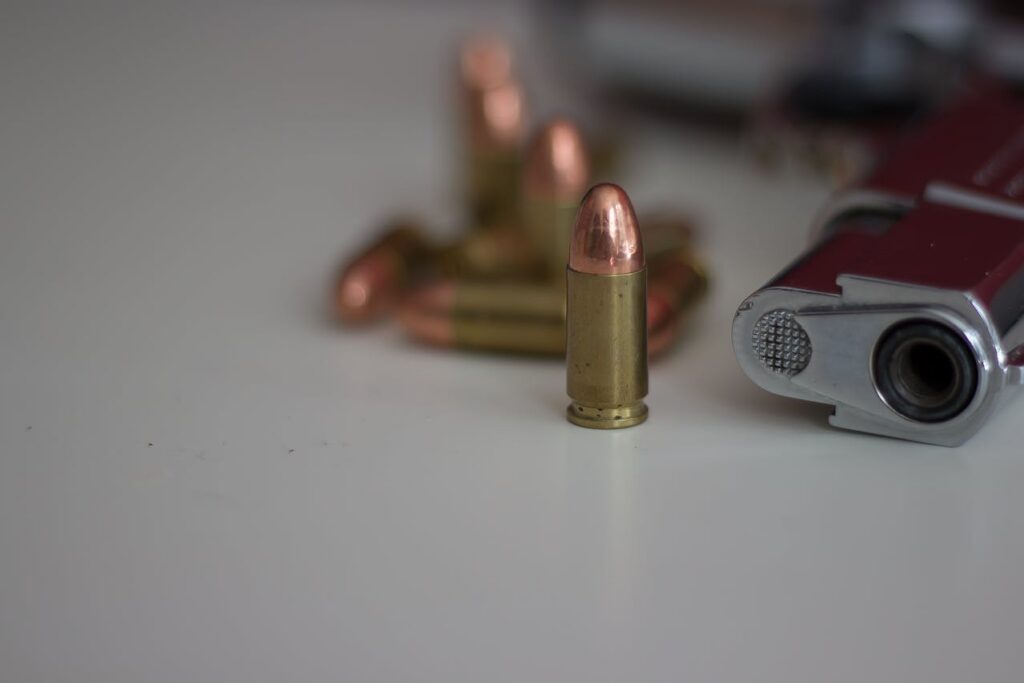
Many people misunderstand how these laws work. Someone may assume that finishing probation automatically restores firearm rights, or they may believe that permitless carry means prior convictions no longer matter. Others mistakenly think that if Texas law allows limited possession in certain situations, federal law will also permit it. In reality, federal firearm restrictions are often broader and harsher than Texas law.
Understanding unlawful possession of a firearm Texas charges requires looking at both systems together. A person who believes they are following Texas gun laws may still violate federal law and face federal prosecution. Because the penalties can include prison time, large fines, and lifelong consequences, these cases should never be taken lightly.
Who Is Prohibited From Having a Gun in Texas?
Although Texas gun laws broadly protect firearm ownership, both Texas and federal law prohibit certain individuals from legally possessing firearms. These restrictions commonly apply to convicted felons, people with qualifying domestic violence convictions, individuals subject to protective orders, certain people with qualifying mental health adjudications, minors in some circumstances, and some non-citizens.
In many situations, people become prohibited from possessing firearms after a criminal conviction, court order, or other legal proceeding without fully understanding how their firearm rights changed. This confusion is one reason unlawful possession of a firearm Texas charges are more common than many people realize.
Convicted Felons
Under Texas Penal Code § 46.04, a person convicted of a felony generally cannot possess a firearm until five years have passed after release from confinement, parole, or community supervision, whichever occurs later.
Even after the five-year waiting period expires, Texas law only allows the person to possess a firearm at their residence. That does not restore general carrying rights or allow public possession.
Federal law is stricter. Under 18 U.S.C. § 922(g)(1), most convicted felons remain prohibited from possessing firearms indefinitely unless their rights are formally restored through a qualifying legal process. This creates one of the biggest conflicts between Texas gun laws and federal law.
People With Qualifying Domestic Violence Convictions
Federal law prohibits firearm possession for individuals convicted of certain misdemeanor crimes involving domestic violence. This restriction often surprises people because it can apply even when the offense was not a felony.
Not every assault-related conviction qualifies automatically. The law generally requires a qualifying domestic relationship and specific elements involving the use or attempted use of force. If the prohibition applies, possessing a firearm afterward may result in federal criminal charges.
People Subject to Protective Orders
People subject to qualifying domestic violence protective orders may also be prohibited from possessing firearms.
Under federal law, the order usually must meet certain due process requirements, including notice and an opportunity to appear at a hearing. Texas courts may also order firearms surrendered in family violence cases.
Protective-order firearm restrictions can become especially important during divorces, custody disputes, or domestic violence investigations.
People With Certain Mental Health Adjudications
Federal law prohibits firearm possession for people who have been formally adjudicated as mentally incompetent or involuntarily committed to a mental institution through a qualifying legal process.
Texas law also contains provisions allowing courts to restrict firearm access in certain situations involving mental health concerns and public safety risks.
These restrictions generally require formal legal findings rather than informal counseling or voluntary treatment alone.
Minors
Texas law restricts handgun possession by individuals under 18 except in limited situations such as hunting, ranching activities, target practice, or supervised use with parents or guardians.
Recent court challenges have also affected portions of federal age-based firearm restrictions, making this area of law especially complex and rapidly changing.
Undocumented Immigrants and Certain Non-Citizens
Federal law prohibits firearm possession by undocumented immigrants and certain nonimmigrant visa holders.
However, the rules are not identical for all non-citizens. Some lawful visa holders may qualify for exceptions tied to hunting licenses, diplomatic status, or other narrow circumstances.
Because firearm offenses can also trigger immigration consequences, non-citizens accused of unlawful possession of a firearm Texas offenses may face both criminal prosecution and immigration proceedings.
What Happens If You’re Caught?
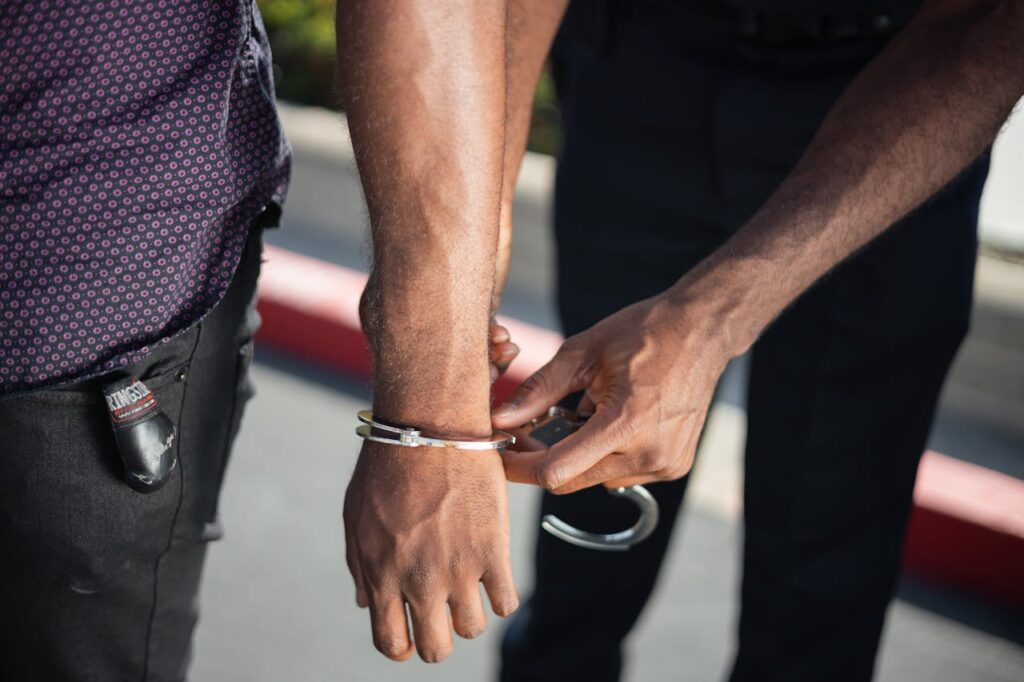
The penalties for unlawful possession of a firearm Texas charges depend on why the person is prohibited, where the case is prosecuted, whether other crimes are alleged, and the individual’s criminal history.
One important point is that state legality does not necessarily protect someone from federal prosecution. A person may avoid charges under Texas gun laws yet still violate federal firearm statutes.
Common Penalties for Unlawful Firearm Possession
| Situation | Possible Texas Consequences | Possible Federal Consequences |
|---|---|---|
| Felon in possession | Third-degree felony; 2–10 years in prison and up to $10,000 fine | Up to 15 years in federal prison under 18 U.S.C. § 922(g) |
| Possession while under qualifying protective order | Additional criminal charges or bond violations | Federal firearm violation charges |
| Domestic violence-related firearm prohibition | Possible related state charges | Federal prosecution for unlawful possession |
| Firearm possession by undocumented immigrants or prohibited non-citizens | Potential state-related charges depending on facts | Federal charges, detention, or deportation |
| Juvenile unlawful handgun possession | Juvenile proceedings or criminal charges | Possible federal firearm violations depending on circumstances |
Texas prosecutors frequently rely on constructive possession arguments in these cases. That means prosecutors may claim the person exercised control over the firearm even if it was not physically on them at the time of arrest.
Federal firearm prosecutions are often more severe than state cases and may involve sentencing enhancements under federal guidelines. People with prior violent felonies or serious drug convictions may face substantially harsher penalties under laws such as the Armed Career Criminal Act.
Common Situations Where People Get Caught

Many unlawful possession of a firearm Texas cases do not begin with allegations of violent crime. Instead, the firearm is often discovered during a routine police interaction, an unrelated investigation, or a legally authorized search.
In many cases, the person may not even realize they are violating Texas gun laws until officers discover the weapon. Once law enforcement identifies that a prohibited person had access to or control over a firearm, criminal charges can quickly follow.
Common Scenarios Leading to Charges
- Traffic stops where officers discover a firearm during a lawful search of the vehicle
- Domestic disturbance calls involving weapons inside the home
- Probation or parole searches conducted under supervision conditions
- Failed firearm background checks during attempted gun purchases
- Shared homes or vehicles where police discover accessible firearms linked to a prohibited person
These cases become more complicated when the firearm was not physically on the person at the time officers arrived. Prosecutors may still argue constructive possession, meaning the individual had knowledge of the firearm and control over the area where it was found.
For example, prosecutors may claim constructive possession if the gun was discovered in a bedroom, vehicle, backpack, or other area connected to the accused. This issue frequently arises in shared residences, family homes, or vehicles used by multiple people.
Why Possession Matters
In unlawful possession cases, prosecutors generally must prove that the defendant knowingly possessed the firearm.
However, possession does not always mean physically holding the weapon. Courts often recognize constructive possession, meaning the prosecution argues the person knew about the firearm and exercised control over the area where it was found.
For example, prosecutors may claim constructive possession if the firearm was located:
- In a vehicle you controlled
- In a bedroom containing your belongings
- Inside a backpack linked to you
- In a residence where you exercised control over the area
This issue becomes especially important in shared homes, shared vehicles, or situations involving multiple occupants.
Possible Defenses
Defenses to unlawful possession of a firearm Texas charges depend heavily on the facts, the legality of the police search, and whether the prosecution can actually prove possession.
Common Defenses in Firearm Possession Cases
- Lack of knowledge about the firearm
- Lack of actual or constructive possession
- Illegal search and seizure under the Fourth Amendment
- Rights restoration through pardon, expungement, or vacated conviction
- Incorrect classification as a prohibited person
- State-law exceptions under Texas gun laws
Even when a defense exists, firearm cases can become legally complicated because state and federal laws do not always align. Someone who may qualify for a defense under Texas law could still face issues under federal law.
Long-Term Consequences
A firearm conviction can affect nearly every aspect of a person’s life long after the criminal case ends.
Common Long-Term Effects
- Permanent criminal record
- Loss of firearm rights
- Difficulty finding employment or housing
- Immigration consequences for non-citizens
- Problems with professional licenses
- Negative impact on child custody or visitation disputes
These long-term consequences are one reason unlawful possession charges should always be taken seriously, even when the person was not accused of using the firearm unlawfully.
Restoring Gun Rights
Restoring firearm rights after a conviction is complicated because Texas gun laws and federal law do not always align.
Important Restoration Rules
- Texas provides limited restoration rights for some felons after the required waiting period
- Texas law generally limits restored possession to the person’s residence
- Federal restoration rules are much stricter
- Pardons, expungements, or restoration of civil rights may be required
- Protective-order restrictions may end after the order expires if no other prohibition applies
Whether a person legally regained firearm rights often depends on highly technical legal analysis involving both state and federal law.
The Bigger Picture: Texas Culture vs. Federal Law
Texas is widely viewed as one of the most pro-gun states in the country. Permitless carry and expanded firearm rights have reinforced that reputation.
But Texas gun laws still contain major restrictions, and federal law often goes even further. This creates confusion for people who assume broad firearm rights apply to everyone equally.
A person may believe they are following Texas law, yet still face federal prosecution for possessing a firearm. That disconnect is one reason unlawful possession cases can become unexpectedly serious.
What To Do If You’re Charged
If you are arrested or investigated for unlawful possession of a firearm Texas charges, avoid making statements to police without speaking to an attorney first.
Even statements intended to explain or justify the situation may later be used as evidence.
An experienced criminal defense lawyer can evaluate:
- Whether you were legally prohibited from possessing a firearm
- Whether the police search was lawful
- Whether the prosecution can prove possession
- Whether state and federal laws conflict in your case
- Whether defenses or negotiated resolutions may be available
Early legal representation can make a major difference in firearm cases, especially when both state and federal authorities may become involved.
Conclusion
Unlawful possession of a firearm Texas cases are far more complicated than many people realize. Although Texas is known for broad firearm rights, Texas gun laws still prohibit certain individuals from legally possessing guns, and federal law is often even stricter.
A firearm-possession charge can lead to prison time, loss of rights, immigration consequences, and long-term damage to employment, housing, and family relationships. Because these cases often involve overlapping state and federal laws, anyone accused of unlawful firearm possession should seek legal advice immediately.
Frequently Asked Questions
Texas law allows some convicted felons to possess a firearm at their residence after five years have passed from release from confinement, parole, or community supervision, whichever occurs later. However, federal law is much stricter and may still prohibit firearm possession entirely. That means someone could comply with Texas gun laws but still face federal charges.
Yes. Prosecutors can argue constructive possession, meaning you had knowledge of the firearm and control over the area where it was found. This commonly arises in shared homes, vehicles, or situations where the firearm was nearby but not directly in your hands.
A failed background check does not automatically mean you will be arrested, but it can trigger further investigation. In some cases, law enforcement may review whether the person unlawfully attempted to purchase or possess a firearm. False information on firearm purchase forms can also lead to separate criminal charges.
It depends on the facts of the case. Charges may be challenged if police conducted an illegal search, if the prosecution cannot prove possession, or if the person was not legally prohibited from having a firearm. An experienced defense attorney can evaluate whether legal defenses or constitutional issues apply.
Yes. Qualifying protective orders related to domestic violence or threats can temporarily prohibit firearm possession under both Texas and federal law. Violating those restrictions can result in additional criminal charges and may affect related family law proceedings.
Other Related Articles
- The Cowboy’s Guide to Gun Laws: What You Can (and Can’t) Do in Texas
- Gun Store Owner Illegal Sale Of Guns
- Why a Gun Trust Is Important in Texas
- Maine’s Yellow Flag Law: Balancing Mental Health and Gun Rights
- Texas’ Firearms Frontier: Understanding the Latest Gun Laws
- Can You Get Arrested for Cussing in Texas? Weird and Outdated State Laws
- Charged With Domestic Violence in Texas? What Happens Next
- Can You Be Charged for Helping Someone Commit a Crime in Texas?
- Felony vs. Misdemeanor in Texas: Where the Line is Drawn
- The Truth About Stand Your Ground Laws in Texas