 Skip to content
Hello, parents and guardians! It’s easy to assume that if a child has a roof over their head, everything is fine. But under Texas law, a safe home means much more than just shelter. Understanding what qualifies as unsuitable living conditions for a child is essential—not only to protect your child’s well-being, but also to avoid potential involvement from CPS.
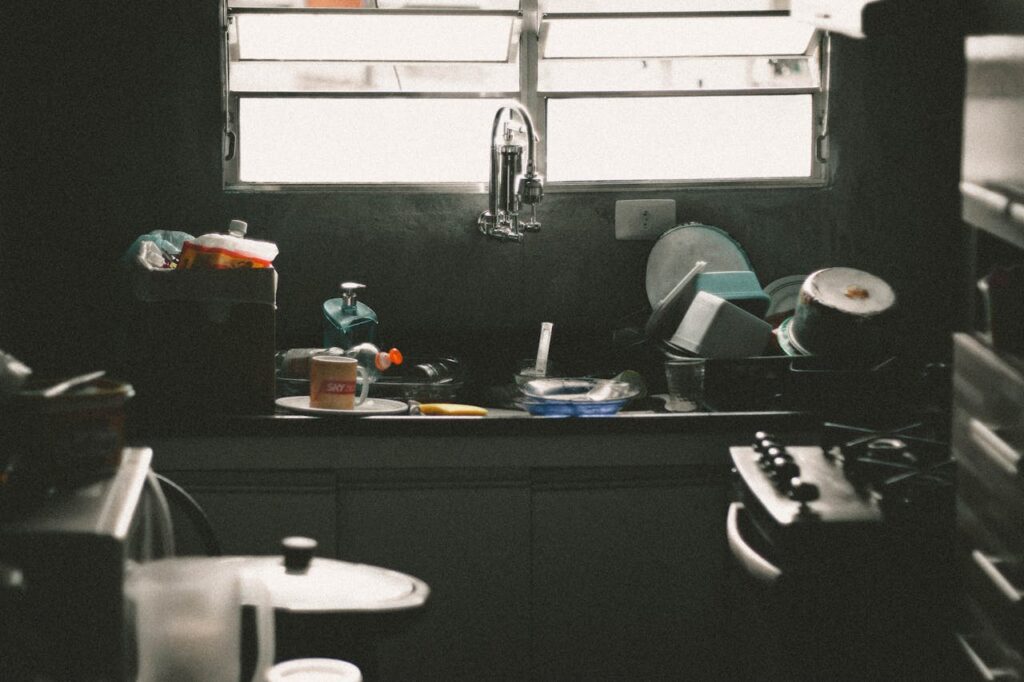
Let’s walk through what the law actually looks for and how these situations are evaluated in real life.
What Are Unsafe or Unsuitable Living Conditions for a Child in Texas?
In Texas, unsafe or unsuitable living conditions are generally addressed under the legal concept of child neglect. The central issue is whether a child’s environment places them at risk of harm—physically, emotionally, or developmentally.
A home does not need to be perfect. However, it must be safe, sanitary, and stable enough to meet a child’s basic needs. When a caregiver fails to take reasonable steps to protect a child from danger, the situation may be considered neglect under Texas law.
Legal Standard Under Texas Law
Texas law focuses on whether a parent’s actions—or failure to act—create conditions that endanger a child’s health or safety. This includes both immediate threats and ongoing issues that could reasonably lead to harm.
For example, a single temporary issue may not trigger a CPS case. But repeated or unresolved hazards—especially those affecting a child’s daily living conditions—can meet the legal threshold for intervention.
Risk of Harm vs. Imperfect Parenting
It’s important to distinguish between unsafe conditions and everyday parenting challenges. Not every messy home or financial hardship amounts to unsuitable living conditions for a child.
CPS generally looks for patterns such as:
- Ongoing unsafe conditions that are not corrected
- Consistent failure to meet a child’s basic needs
- Environments that expose a child to danger without proper supervision
This ensures that intervention is focused on real risk, not minor imperfections.
Common Examples of Unsuitable Living Conditions
Unsafe or unsuitable living conditions often involve a combination of risks rather than a single issue. CPS evaluates how these conditions affect the child as a whole.
- Physical and environmental hazards such as unsafe structures, exposed wiring, fire risks, lack of running water or electricity, or toxic substances within reach
- Unsanitary or unhealthy environments, including severe clutter, pest infestations, or the presence of waste that may affect a child’s health
- Failure to meet basic needs or provide supervision, including lack of food, clothing, medical care, or leaving children in unsafe situations without proper oversight
- Exposure to harmful environments, such as domestic violence, substance abuse, or ongoing criminal activity in the home
Not all of these situations automatically result in intervention. However, when they rise to the level of unsuitable living conditions for a child, CPS may step in to assess and address the risk.
How CPS Evaluates Unsafe Living Conditions
When a report is made, CPS does not focus on a single issue. Instead, caseworkers assess the totality of the circumstances to determine whether a child is safe.
Key Factors Caseworkers Consider
CPS typically evaluates several factors together:
- The severity and type of hazard present
- How long the condition has existed
- The age and vulnerability of the child
- Whether the caregiver is actively working to fix the issue
- The presence of additional risks, such as substance use or violence
A cluttered home alone may not be enough to trigger action. But when combined with safety hazards or lack of supervision, it may be considered unsuitable.
Temporary Situations vs. Ongoing Risk
CPS also distinguishes between short-term hardship and long-term neglect. A temporary issue that is quickly resolved is usually treated differently from a pattern of unsafe living conditions that remain unaddressed.
Parents who demonstrate effort to correct problems are generally viewed more favorably than those who ignore or deny them.
What CPS Looks for During a Home Visit

During a home visit, CPS is not expecting perfection. Instead, caseworkers are looking for signs that a child is living in a safe and functional environment.
CPS Home Environment Checklist (Texas)
| Area of Concern | What CPS Looks For | Why It Matters |
|---|---|---|
| Basic utilities | Running water, electricity, safe heating | Essential for health and safety |
| Cleanliness | Reasonable sanitation, manageable clutter | Prevents illness and injury |
| Food availability | Sufficient, safe food for the child | Supports proper growth and nutrition |
| Sleeping arrangements | Safe, age-appropriate sleeping space | Ensures rest and physical safety |
| Safety hazards | Secured weapons, no exposed dangers | Reduces risk of accidental harm |
| Supervision | Age-appropriate monitoring of children | Prevents neglect and injury |
This evaluation helps determine whether the home meets a minimum safety standard, not an ideal one.
What Happens If CPS Finds Unsafe Conditions
If CPS determines that a home environment is unsafe or qualifies as unsuitable living conditions for a child, the response will depend on how serious the risk is. In many cases, the agency’s first step is to work with the family rather than remove the child. This may involve creating a safety plan that outlines specific actions the parent must take, such as improving cleanliness, fixing hazards, or ensuring proper supervision. CPS may also recommend services like parenting classes, counseling, or substance abuse treatment, and will typically conduct follow-up visits to monitor progress.
In more serious situations—where the child faces immediate danger—CPS may seek to remove the child from the home. Under Texas law, this usually requires a court order unless there is an emergency. A hearing is then held shortly after to determine whether the removal was necessary and what steps should follow. If removal occurs, the child may be placed with a relative or in foster care while the court oversees the case and sets requirements for the parents.
Even in these higher-risk cases, the goal is often reunification. Parents are usually given a clear service plan that outlines what must be done to correct the unsafe conditions. Demonstrating consistent effort—such as completing required programs, maintaining a safe home, and following court orders—can lead to the child being returned. However, if the conditions are not addressed, the case may move toward longer-term arrangements.
Fixing Unsuitable Living Conditions and Moving Forward
Most cases involving unsuitable living conditions for a child can be resolved when parents take proactive steps to improve the home environment. Consistency and follow-through are critical.
- Make necessary home repairs and improve sanitation
- Address underlying issues such as substance use or mental health concerns
- Participate in recommended services or parenting programs
- Keep records showing progress and compliance
These efforts demonstrate a commitment to providing a safe and stable environment, which is central to resolving concerns raised by CPS.
Long-Term Impact and Why Prevention Matters
Unsafe or unsuitable living conditions for a child can have lasting effects that go beyond immediate safety concerns. Children who grow up in hazardous or unstable environments may experience physical health issues, such as illness or developmental delays, especially if basic needs like nutrition, hygiene, and medical care are not consistently met. Over time, these challenges can affect a child’s overall growth and well-being.
The emotional impact can be just as significant. Living in an unsafe environment—or going through a CPS investigation—can create stress, fear, and confusion for children. They may struggle with anxiety, trust, or emotional regulation, particularly if there is instability in the home or separation from parents. Families may also feel the strain, as investigations and court involvement can disrupt routines and create tension within the household.
Prevention plays a critical role in avoiding these outcomes. Taking early steps to address safety concerns—whether by improving home conditions, seeking support, or accessing community resources—can make a meaningful difference. A safe home does not require perfection, but it does require awareness and consistency. By recognizing and addressing risks early, families can reduce the likelihood of CPS involvement and create a more stable environment for their children.
Final Thoughts
Understanding what qualifies as unsuitable living conditions for a child in Texas empowers you to make informed decisions and protect your family. CPS is not looking for perfect homes—it is focused on identifying real risks and ensuring children are safe.
By prioritizing safety, stability, and responsiveness, you can create a home environment where your child is not only protected but able to grow and thrive.
Other Related Articles
- Who Holds the Reins? Can Children Call the Shots on Living Arrangements in Texas?
- What Texas Families Need to Know About Living with a Registered Sex Offender
- Procedures, Conditions, and Legal Considerations For Adoptions In Texas
- Children and Taxes Post-Divorce: The Basics
- What is the Role of an Independent Children’s Lawyer in Texas?
- The Role of Guardian ad Litem and Amicus Attorneys for Children in Texas: A Comprehensive Guide
- Children & Taxes: The Details
- Protecting Children of Domestic Violence
- Resources for Children of Divorce
- What do I need to know to plan for my children’s needs?
Frequently Asked Questions
CPS considers unsuitable living conditions for a child to include environments that pose a risk to a child’s health or safety. This may involve unsafe housing, lack of basic needs, poor supervision, or exposure to violence or substance abuse. The key factor is whether the condition creates a real risk of harm, not whether the home is simply imperfect.
Not usually. A messy home alone does not automatically qualify as unsuitable living conditions for a child. However, if the mess creates safety hazards—such as blocked exits, pest infestations, or dangerous objects within reach—it may raise concerns for CPS.
Once a report is made, CPS may investigate by visiting the home, speaking with family members, and assessing the child’s safety. If concerns are confirmed, they may offer services or create a safety plan to help improve conditions. Removal of a child typically only happens when there is an immediate risk of harm and often requires court approval.
The best way to prevent CPS involvement is to maintain a safe, stable, and clean living environment for your child. Address potential hazards early, ensure basic needs are met, and seek help if you are struggling with housing, health, or financial issues. Taking proactive steps shows responsibility and reduces the likelihood of concerns escalating.


