Estate planning is something many people shy away from, often because it feels tied to complex legal terms and uneasy conversations about the future. However, it doesn’t have to be intimidating. In fact, understanding estate planning—especially the process of small estate settlement—can be both empowering and practical. It gives you the ability to shape your legacy, protect your loved ones, and make sure your wishes are carried out exactly as you intend.
Think of it as taking charge of your future rather than leaving it uncertain. Settle in as we walk through the essentials of estate planning in a clear and approachable way. With the right guidance, small estate settlement and broader estate planning give you peace of mind and provide lasting security for your family.

What Is Estate Planning?
Estate planning is like creating a roadmap for your assets and wishes after you’re gone. It’s not just for the wealthy; it’s for anyone who wants to make life easier for their loved ones when they’re no longer around. Think of it as your final love letter to your family.
So, what’s in this estate planning toolkit? Well, it starts with a will, a document that spells out who gets what from your belongings. But that’s just the beginning. There’s also the charming character called a living will, which is all about your healthcare wishes, and a power of attorney, which lets someone manage your affairs if you can’t.
The star of the show might be a trust, though. Trusts are like the Swiss army knife of estate planning. They can help you avoid probate, maintain privacy, and even provide for your favorite charity or your fluffy cat, Mr. Whiskers.
The key is to have a heartfelt conversation with a legal pro who specializes in estate planning. They’ll help you create a plan that’s as unique as you are. Remember, estate planning is about peace of mind, not just piles of assets.
What Is a Small Estate?
Estate planning, in its grandeur, often conjures up images of vast inheritances, opulent mansions, and substantial financial portfolios. But, not everyone finds themselves in possession of such vast wealth. Many individuals have modest estates, and this is where the concept of a “small estate” takes center stage in the world of estate planning.
A small estate, in the realm of estate planning, refers to an estate with a total value that falls below a specific threshold. The threshold varies from one jurisdiction to another, as it is determined by state laws or regulations. The primary purpose of defining small estates is to simplify the estate transfer process for those who do not have substantial assets or complex financial arrangements to pass on.

Now, let’s explore what this entails and why it’s important:
1. Simplification: Estate planning is often associated with the creation of wills, trusts, and other legal documents to ensure the orderly distribution of one’s assets upon their passing. In the case of a small estate, the simplified process helps to avoid the complexity and expenses associated with extensive estate planning.
2. Small Estate Affidavit: One of the key tools for managing a small estate is the “small estate affidavit.” This is a legal document that allows heirs and beneficiaries to claim the assets of the deceased without going through the full probate process. It streamlines the process, respects the decedent’s wishes, and transfers assets efficiently.
3. Cost-Effective Approach: Small estate planning tends to be more cost-effective. The legal fees and administrative costs associated with the distribution of a small estate are generally lower than those for larger, more complex estates.
4. Personal Property and Real Estate: Small estates can include personal property, such as cars, furniture, and personal belongings, as well as real estate properties. Courts typically consider the value of these assets when determining if an estate qualifies as a small estate.
5. Beneficiary Designations: In some cases, assets like life insurance policies, retirement accounts, and bank accounts can have beneficiary designations. When these designations are in place, they allow for a direct transfer to the named beneficiaries, bypassing the probate process.
6. Legacy and Family Heirlooms: Even if an estate is small in monetary terms, it can hold significant sentimental value through family heirlooms and personal treasures. These items are often just as crucial to include in estate planning.
Small estate planning provides a more straightforward and cost-effective approach to achieve these goals, making it accessible and practical for a broader range of individuals. Whether you have a sprawling estate or a more modest one, estate planning can bring peace of mind and clarity to the future of your assets and loved ones.
What Is a Probate Court?
Picture this: a family member or a friend has passed away, and now there’s a whole puzzle to solve. What happens to their assets, like the house, savings, or maybe even that impressive collection of vintage vinyl records? Well, that’s where probate court steps in.
Probate is a legal process that comes into play when someone dies. It’s the official method for handling the deceased person’s estate, which includes their property, financial assets, and possessions. This process manages everything fairly and follows the rulebook strictly.
Probate court becomes the stage where this puzzle comes together, addressing all legal matters tied to the person’s estate.
Think of it as a referee for the final innings of life’s game.
Here’s a bit more detail on what probate court does:
1. Validating the Will: If the deceased had a will, probate court reviews it to ensure it’s valid and complies with state laws. This step is crucial because the will is like a roadmap for how their assets should be distributed.
2. Asset Distribution: If there’s a will, it outlines who gets what. If there’s no will (intestate), the court steps in to determine how the assets should be distributed. This can involve dividing up property, settling debts, and handling any outstanding financial matters.
3. Handling Disputes: Sometimes, conflicts arise among beneficiaries or creditors. Probate court acts as a mediator to resolve these disputes, ensuring a fair and just outcome.
4. Protecting Creditors: Part of probate involves notifying and paying off the deceased person’s debts. This is done to protect the rights of creditors, ensuring they get paid from the estate.
5. Wrapping It Up: The ultimate goal of probate court is to settle the estate’s affairs, clarify each person’s entitlement, and carry out the deceased’s final wishes.
Now, probate court may sound a bit daunting, but it’s there to maintain transparency and ensure fairness in the distribution of assets. The process runs smoothly with a well-prepared will, but disputes or complex assets can complicate it. Probate court acts as the judicial umpire in estate distribution, closing the final chapter of a person’s life with fairness and strict adherence to the law.
The Role of Probate Courts in Small Estate Settlement
Picture probate courts as the silent heroes behind the scenes, making sure the show runs smoothly when it comes to settling smaller estates. These estates usually hold a modest value, so they don’t require the same complex procedures or high expenses as larger estates.
So, what exactly do these probate courts do for small estates? Well, let’s break it down.
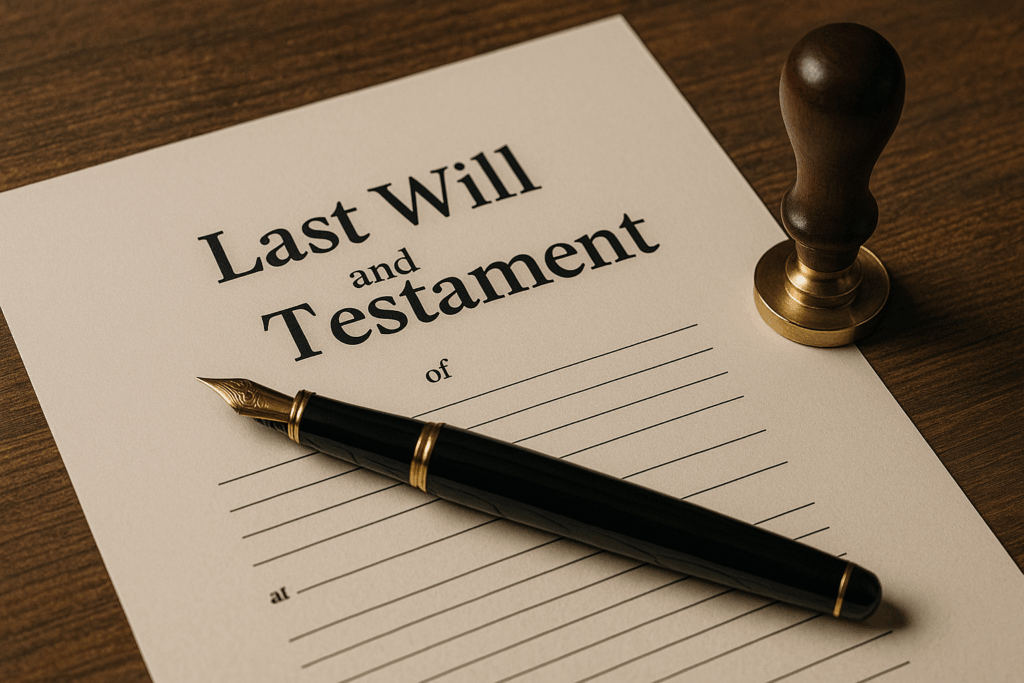
1. Validation of the Will: If the deceased left a will, probate courts are responsible for ensuring its validity. They scrutinize the document to make sure it meets all legal requirements, such as proper signatures and witnessing. This process is essential to prevent fraudulent or contested wills from being executed.
2. Distribution According to State Laws: When no valid will exists, or even if one does, probate courts distribute assets according to state laws. Each state sets its own rules for estate distribution, and the court enforces those rules to the letter.
3. Debt Verification and Settlement: Probate courts play a crucial role in verifying any outstanding debts left behind by the deceased. They pay these debts from the estate’s assets before distributing any remaining property to the heirs. This helps in maintaining fairness and order in the process.
4. Streamlined Procedures: One of the highlights of probate courts for small estates is that they often employ simplified and informal procedures. This can be a relief for the family because it means you might not need to hire a fleet of lawyers. In many cases, written requests can suffice, eliminating the need for formal hearings.
5. Facilitating Asset Transfer: These courts also issue orders that allow the legal transfer of assets from the deceased to the heirs or beneficiaries. This is a significant step because it gives you the legal authority to claim and manage the property left behind.
6. Cost-Efficiency: Since small estates typically have fewer assets and complexities, dealing with them through probate courts tends to be more cost-effective. You won’t have to drain your savings on legal fees, making it a practical choice for many families.
At its core, small estate settlement in probate courts ensures fairness and legality during the distribution of assets. These courts simplify the process. They make sure property is handled according to the law. They also reduce the need for lengthy legal battles. Probate courts may not seem exciting, but they play a crucial role. They ease what is often a complicated and emotional experience for families. By streamlining procedures, they help bring clarity and resolution during a difficult time.
Other Related Articles:
- Benefits of Small Estate Affidavits for Simplified Probate
- Difference Between Living Trust and Revocable Living Trust in Estate Planning
- Small Estate Probate In Texas: When Is It Necessary?
- What assets do not go through probate?
- Estate Planning and Probate: Maximizing the Benefits of a Will
- 5 Common Misconceptions About Texas Probate and Estate Planning
- Executor Duties in Texas: A Comprehensive Guide
- The Basics of Texas Probate: A Guide for Executors and Heirs
- Unlocking the Mystery: How Long Does an Executor Have to Settle an Estate?
- Does an Executor Have To Show Accounting to Beneficiaries?
FAQs
Absolutely, even if an estate is small in monetary terms, it can include sentimental items like family heirlooms and personal treasures, which are just as important to include in estate planning.
Probate court validates wills, distributes assets under state law, pays debts, resolves disputes, and ensures the deceased’s final wishes are honored. It acts as a legal referee in the estate settlement process.
Probate courts for small estates often employ simplified and informal procedures, which can eliminate the need for formal hearings and reduce the necessity for hiring numerous lawyers, making the process more straightforward.
Yes, probate courts also play a role in notifying and paying off the deceased person’s debts to protect the rights of creditors, ensuring they get paid from the estate’s assets.
Yes, since small estates typically have fewer assets and complexities, dealing with them through probate courts tends to be more cost-effective, saving you from high legal fees.