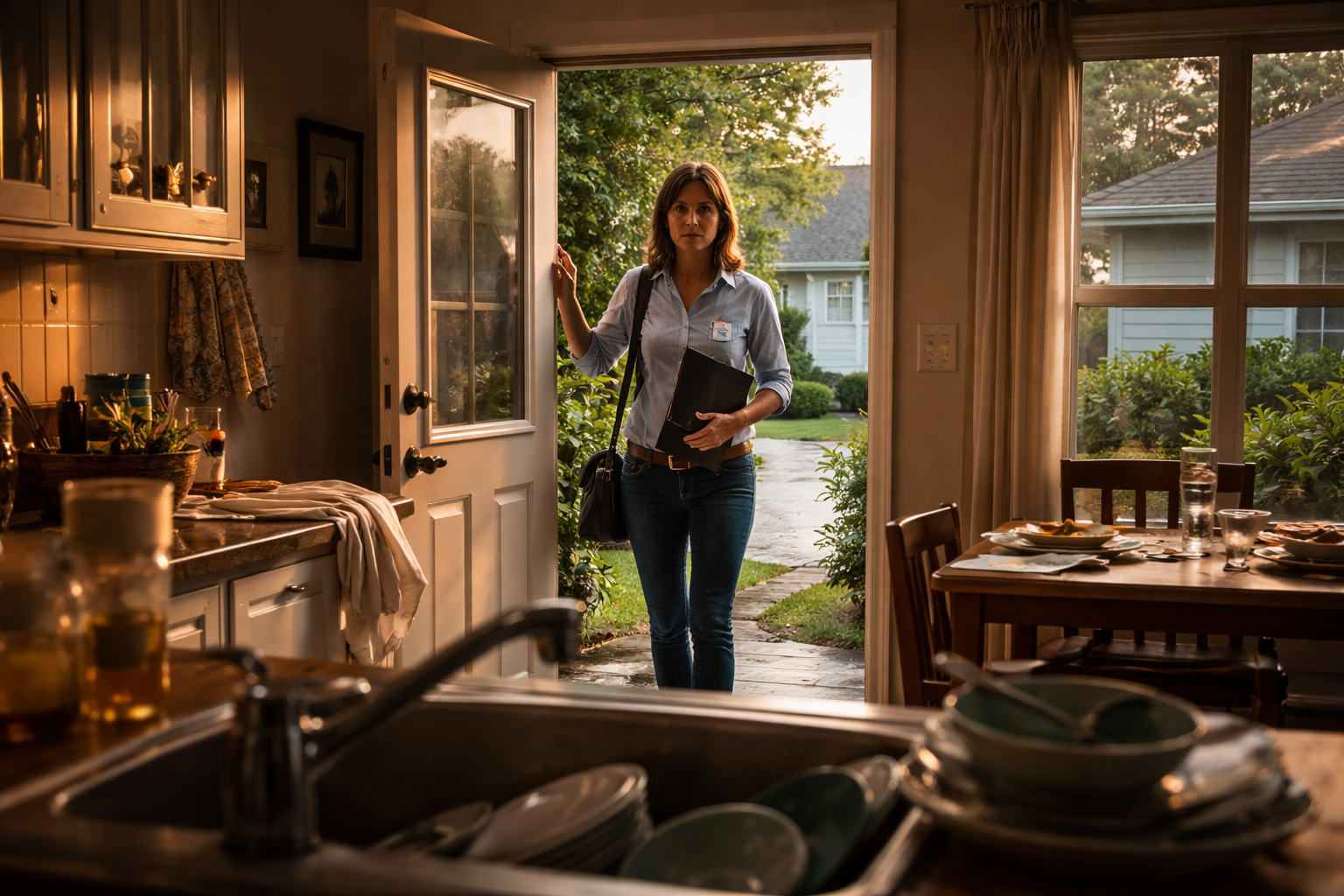
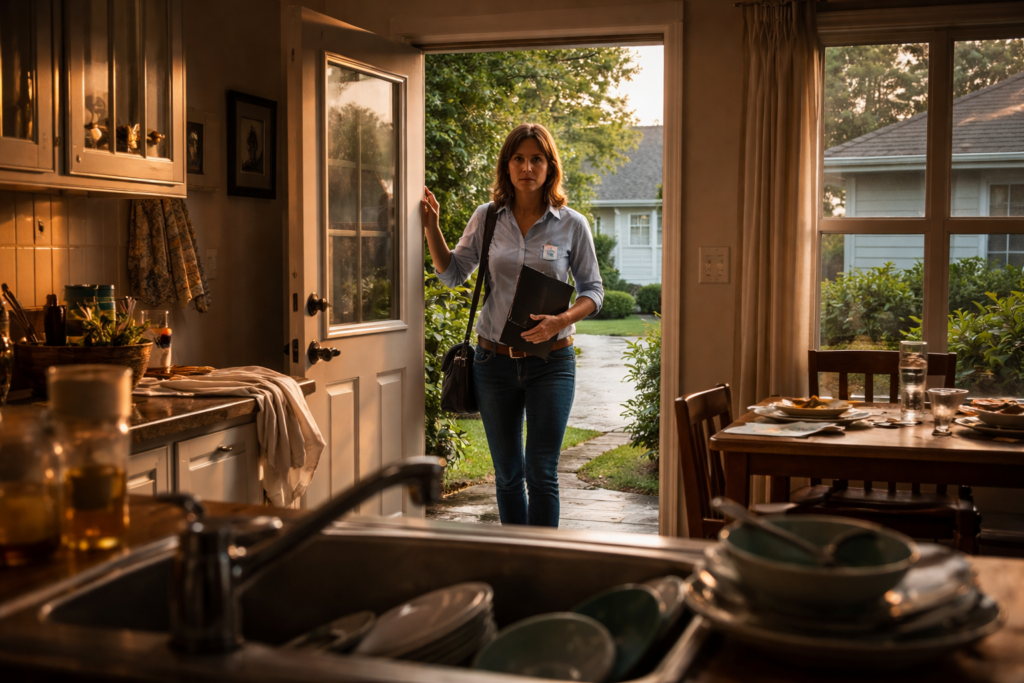
It’s 7:30 on a Tuesday evening. Dinner dishes are still in the sink, tensions from your divorce are lingering in the air, and then there’s a knock at the door. A caseworker introduces herself as being from Child Protective Services. Your mind immediately jumps to one urgent question: What Questions Does Texas CPS Ask Parents, and how could the answers affect my custody case and my rights?
That question is more important than most parents realize. CPS interviews are not casual conversations. Under Texas Family Code § 261.301, CPS is required to conduct a prompt and thorough investigation of alleged abuse or neglect. At the same time, family courts deciding conservatorship must follow Texas Family Code § 153.002 and determine what arrangement serves the best interest of the child. The information gathered during a CPS interview can influence temporary orders, possession schedules, and even who has the exclusive right to designate a child’s primary residence under § 153.134.
For many Texas families, CPS involvement arises in the middle of divorce. Sometimes a mandatory reporter such as a doctor or therapist makes a report. Sometimes police are called during a heated exchange. In other cases, allegations surface during a contentious custody dispute. Regardless of how it begins, what happens next can shape the outcome of your case.
At The Law Office of Bryan Fagan, PLLC, we have guided parents through these exact situations for more than a decade. Bryan Joseph Fagan, a South Texas College of Law graduate and recognized authority on Texas divorce and custody law, built this firm on a clear purpose: to empower families to reclaim freedom and peace of mind during life’s hardest transitions. A CPS investigation can feel like the ground has shifted beneath your feet. Our role is to restore clarity, confidence, and stability.
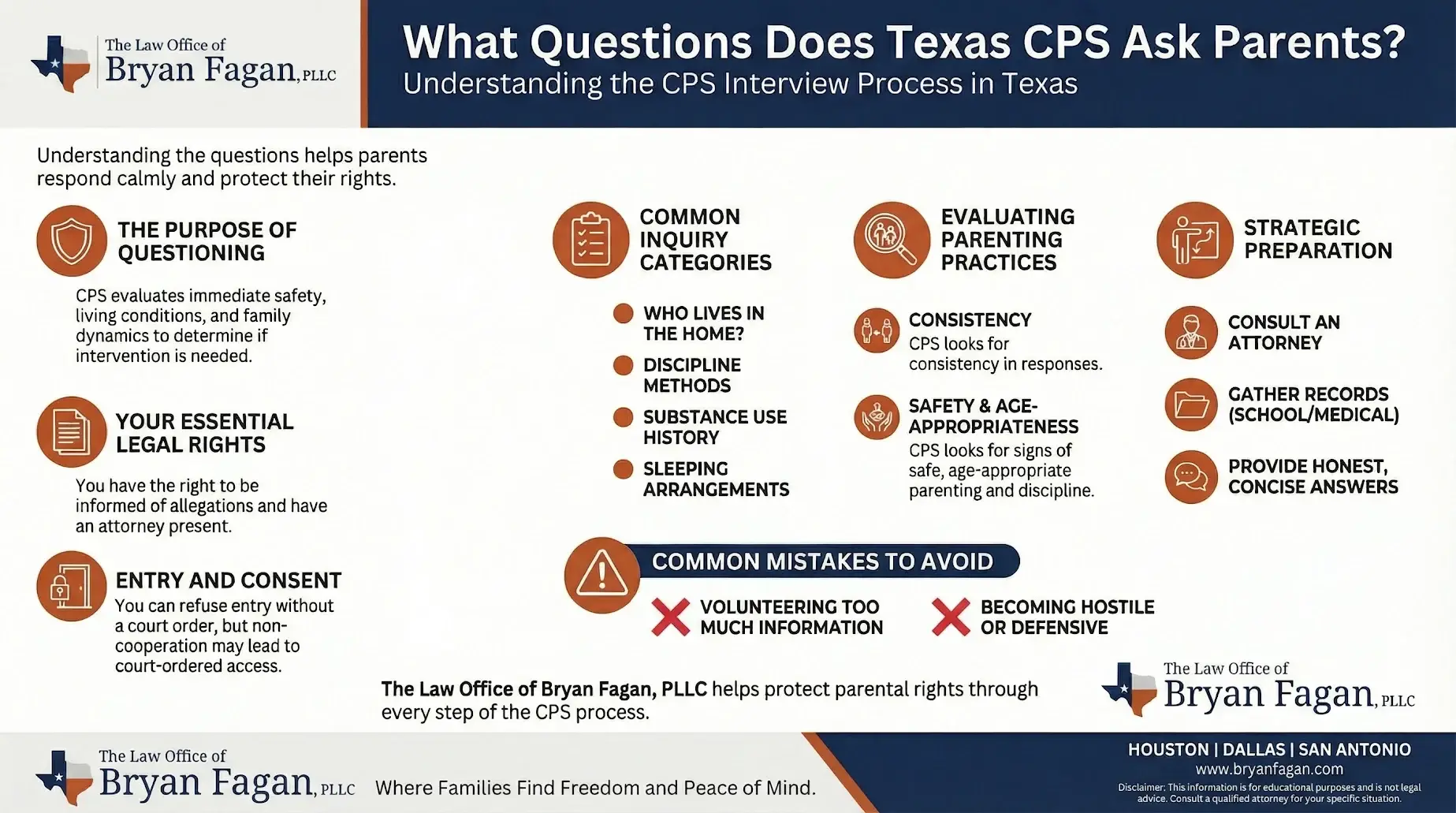
Parents often worry they will say the wrong thing. They fear that cooperating fully could somehow be used against them. They wonder whether they must allow CPS into their home or answer every question immediately. These concerns are valid. CPS caseworkers are trained to ask detailed questions about supervision, discipline, substance use, mental health history, household members, and daily routines. The answers are documented and may later appear in court.
Experience has shown us that preparation makes the difference. When you understand what CPS is evaluating and why those questions are being asked, you are better positioned to protect your rights while demonstrating your commitment to your child’s safety and well-being. That balance matters both in the investigation and before a judge.
Our firm’s mission is rooted in education and compassionate advocacy. We believe legal complexity should be simplified, not used to intimidate families. We believe parents deserve to understand the process clearly. And we believe that with the right guidance, families can move forward with strength rather than fear.
In the sections that follow, we will walk through the specific questions Texas CPS commonly asks parents, explain how those questions intersect with divorce and custody proceedings, and outline practical steps you can take to protect your family. Knowledge is the first step toward peace of mind — and peace of mind is exactly what we strive to help you reclaim.
Key Takeaways
- Texas CPS asks specific questions about your child’s living environment, daily care, safety measures, and any allegations made against you
- Questions focus on assessing immediate safety risks, parenting practices, home conditions, and your child’s physical and emotional well-being
- Under Texas Family Code § 261.302, you have rights during CPS interviews including the right to legal representation and to understand the purpose of questions being asked
- Preparation and honest, concise answers help protect your family while demonstrating your commitment to your child’s welfare
- Legal guidance from an experienced Texas family law attorney ensures your rights are protected throughout the CPS interview process

Your Family’s Future Starts Here
Don’t navigate your legal journey alone. Schedule a consultation now and get the clarity and support you deserve.
Understanding Why CPS Asks These Questions
Texas Child Protective Services operates under a clear statutory mandate. Under Texas Family Code § 261.301, the Department of Family and Protective Services is required to conduct a prompt and thorough investigation of any report alleging child abuse or neglect by a person responsible for a child’s care, custody, or welfare. When parents ask, What Questions Does Texas CPS Ask Parents, the answer is rooted in this legal duty. Caseworkers are not asking random or overly personal questions without purpose; they are gathering information necessary to determine whether a child is safe and whether court intervention may be required under Chapters 261 and 262 of the Texas Family Code.
Each question serves a defined role in the investigative process. CPS evaluates immediate safety threats, potential risk factors for future harm, parenting capacity, supervision practices, and the overall stability of the home environment. These evaluations are guided by structured assessment tools and statutory requirements, including the obligation to determine whether removal is necessary under Texas Family Code § 262.104 in emergency circumstances. Understanding this framework can help parents recognize that while a CPS investigation may feel intrusive, it follows established legal procedures designed to protect children while respecting parental rights.
Importantly, Texas Family Code § 261.105 requires CPS to inform parents of the specific allegations being investigated, unless doing so would compromise the safety of the child or the investigation itself. This means you are not being questioned in the abstract. You are responding to clearly defined concerns that have been reported. That distinction matters. Knowing the nature of the allegation allows you to prepare thoughtful, accurate responses rather than reacting from fear or confusion.
At The Law Office of Bryan Fagan, PLLC, our attorneys regularly guide families through CPS interviews and related custody proceedings. If you want a deeper look at the interview process, you can review our detailed resource on CPS interviews in Texas, which explains what to expect and how to protect your rights. The legal team at Bryan Fagan’s firm believes education reduces anxiety. When you understand the statutory authority behind CPS questioning and how it intersects with your custody case under Texas Family Code § 153.002’s best interest standard, you regain something powerful—clarity.
CPS investigations can feel overwhelming, especially during divorce or custody disputes. But when you understand why the questions are being asked and how the law shapes the process, you are better equipped to respond calmly, protect your parental rights, and focus on what matters most: your child’s safety and future.

Questions About Your Child’s Basic Needs and Living Environment
CPS workers ask detailed questions about food availability, meal schedules, and nutrition in your home. Expect questions such as: What does your child typically eat for breakfast, lunch, and dinner? How often do you go grocery shopping? Where is food stored in your home? These questions assess whether your child has consistent access to adequate nutrition.
Housing and shelter questions examine safety features, cleanliness, and adequate space. A CPS worker may ask: Does your child have their own bed? Are there working smoke detectors in your home? Is there adequate heat and air conditioning? How is trash disposed of? These questions help CPS evaluate whether the child’s living conditions meet basic safety standards.
Questions about clothing and personal hygiene typically include: Does your child have clean clothes appropriate for the weather? How often does your child bathe? Who helps younger children with hygiene routines? These seemingly simple questions paint a picture of daily care routines.
Utility questions address whether basic services are maintained. CPS may ask: Are your utilities current? Has your electricity or water ever been disconnected? How do you heat your home? These questions identify potential neglect situations where children lack access to basic necessities.
Questions About Your Child’s Physical Health and Medical Care
Medical history is one of the most detailed areas of inquiry during a CPS investigation. When parents begin researching What Questions Does Texas CPS Ask Parents, they are often surprised by how much attention is given to healthcare records and prior injuries. Under Texas Family Code § 261.301, CPS is required to conduct a thorough investigation into allegations of abuse or neglect, and medical documentation plays a central role in determining whether a child’s physical condition reflects appropriate care or possible harm. Having vaccination records, pediatric visit summaries, and documentation of regular checkups readily available demonstrates consistent involvement in your child’s health and can help establish stability if custody issues arise under Texas Family Code § 153.002’s best interest standard.
In cases involving unexplained injuries, CPS investigators will ask direct and specific questions. They may inquire how the injury occurred, when it was first noticed, what treatment was provided, and who was present at the time. These questions are not simply about the injury itself; they are designed to evaluate consistency, supervision, and whether the explanation aligns with medical findings. If emergency removal is ever considered under Chapter 262 of the Texas Family Code, CPS must show immediate danger to the child’s physical health or safety. Clear, accurate medical explanations supported by documentation can be critically important in preventing misunderstandings.
Medication management is another area that frequently comes up during CPS interviews. Investigators may ask what prescriptions your child takes, who administers them, how dosages are tracked, and where medications are stored. These questions assess whether the child’s medical needs are being responsibly managed and whether potentially dangerous substances are secured. Texas law defines neglect in § 261.001 to include failure to provide necessary medical care, so demonstrating organized and consistent medication practices helps address that statutory concern.
CPS may also ask about broader healthcare access. Do you have insurance coverage? Does your child have a regular pediatrician? How do you respond in an emergency? These inquiries help determine whether there are barriers to obtaining appropriate medical care. If you are unsure how to respond to certain lines of questioning, our attorneys recommend reviewing Key Questions to Ask a CPS Worker, which outlines how to seek clarification while protecting your rights during an investigation.
The legal team at The Law Office of Bryan Fagan, PLLC believes that preparation and education empower families during difficult moments. For additional insight into how CPS investigations intersect with custody and conservatorship proceedings, you may also find our Texas CPS and family law resource center helpful. Our mission is to educate families and protect futures, and that means helping you understand not only what CPS is asking, but why those questions matter under Texas law. With accurate records, thoughtful responses, and experienced legal guidance, you can approach a CPS interview with clarity and confidence while keeping your child’s well-being at the center of every decision.
Questions About Your Child’s Emotional Well-Being and Behavior
CPS places significant emphasis on emotional support and your child’s psychological needs. Caseworkers ask about your relationship with your child: How do you spend time together? How does your child express emotions? What do you do when your child is upset? These questions assess your attunement to your child’s emotional state.
Behavior and mood questions may include: Have you noticed any changes in your child’s behavior recently? Does your child have trouble sleeping? Has your child expressed any fears or concerns? CPS evaluates whether children show signs of emotional distress that might indicate abuse or neglect.
School attendance and social development questions explore your child’s functioning outside the home. Questions might include: How is your child doing in school? Does your child have friends? Has the school expressed any concerns? School performance often reflects the stability of a child’s home environment.
Questions about feelings of safety directly address whether your child feels secure: Does your child seem happy at home? Has your child ever expressed fear of anyone in the household? These questions help CPS understand the child’s perspective on their living situation.
Questions About Parenting Practices and Discipline
Discipline is one of the most sensitive areas in any CPS investigation. When parents ask, What Questions Does Texas CPS Ask Parents, discipline methods are almost always part of the conversation. A CPS investigator may ask how you respond to misbehavior, what happens when household rules are broken, and whether you have ever used physical discipline. These questions are not designed to trap you. They are intended to determine whether your approach aligns with Texas law and whether your child’s safety is ever placed at risk.
Texas law does not prohibit all corporal punishment. Under Texas Penal Code § 9.61, a parent may use reasonable force to discipline a child when it is necessary and appropriate. However, CPS evaluates whether the discipline was excessive, left injuries, or created fear that rises to the level of abuse under Texas Family Code § 261.001. Caseworkers assess whether discipline is age-appropriate, consistent, and proportionate to the behavior. The legal team at The Law Office of Bryan Fagan, PLLC often reminds parents that what matters most is not simply whether discipline occurred, but whether it was reasonable under the circumstances and consistent with the child’s best interest standard found in Texas Family Code § 153.002.
Supervision is another key focus. CPS frequently asks who watches the child while you are at work, whether the child is ever left home alone, and who regularly has access to your home. Under Texas Family Code Chapter 262, removal of a child may only occur when there is an immediate danger to the child’s physical health or safety. That means supervision concerns must rise to a serious level before court intervention is justified. Still, investigators are required by § 261.301 to evaluate risk factors, including whether adequate supervision exists and whether other adults in the household may present safety concerns.
Parenting philosophy questions also play a role in the investigation. Caseworkers may ask about your expectations for behavior, how you teach right from wrong, and what resources you rely on for parenting support. These questions help CPS assess your insight into child development and your overall parenting capacity. Texas courts evaluating custody disputes consider many of the same factors under § 153.134 when determining conservatorship arrangements. Demonstrating thoughtful, structured parenting can carry significant weight in both CPS investigations and custody proceedings.
If you are preparing for an interview and want detailed guidance, we encourage you to review How to Prepare for a CPS Interview in Texas, where our attorneys break down practical steps you can take before meeting with a caseworker. You may also find helpful information in our broader resource on Texas CPS investigations and custody cases, which explains how these issues intersect with family court proceedings.
At Bryan Fagan’s firm, we understand that questions about discipline and supervision can feel deeply personal. Our mission is to educate families and protect futures by providing clarity in moments of uncertainty. When you understand the legal framework guiding CPS inquiries and how your answers fit within Texas Family Code standards, you regain confidence. With the right preparation and experienced legal guidance, you can respond thoughtfully, protect your parental rights, and keep the focus where it belongs—on your child’s safety and long-term well-being.

Questions About Household Members and Visitors
CPS asks detailed questions about every adult living in or frequently visiting your home. Expect questions such as: Who lives in this household? How are they related to your child? Do they have any history of involvement with CPS or law enforcement agencies?
Background questions about household members may include: Does anyone in the home have a criminal history? Has anyone been investigated for suspected child abuse in the past? CPS conducts background checks and your honest disclosure demonstrates cooperation.
Questions about childcare providers address anyone who cares for your child: Who babysits your child? How long have they known your child? Have you verified their background? These questions identify all individuals with access to your child.
Safety concerns regarding other adults may prompt questions about substance abuse, mental health issues, or domestic violence in the household. CPS assesses whether other adults in the home pose risks to your child’s safety.
Questions About Specific Allegations Made Against You
CPS must inform you of the specific allegations under investigation. You should expect direct questions about reported incidents. A caseworker may ask: Can you tell me what happened on [specific date]? How do you respond to the allegation that [specific concern]? These questions seek your explanation of the events or circumstances that prompted the CPS visit.
Timeline questions establish when incidents allegedly occurred: Where were you on that day? Who else was present? What happened immediately before and after? Your ability to provide a clear, consistent timeline strengthens your credibility.
Questions about witnesses and evidence may include: Is there anyone who can verify your account? Do you have documentation that supports your explanation? Are there medical records, photographs, or other relevant documents that relate to these allegations?
CPS investigators assess the consistency of your responses. Contradictions between your answers, other evidence, or statements from family members may raise additional safety concerns.
Your Rights During CPS Interview Questions
Under Texas Family Code § 261.307 and related provisions, you retain important legal protections during CPS interviews. You have the right to understand the specific allegations being investigated before answering questions. If CPS has not clearly explained the purpose of their visit, you may ask for clarification.
You have the right to legal representation during CPS interviews. While this right is not always explained to parents, having a Texas family law attorney present can significantly impact how your responses are interpreted and documented. An attorney can advise which questions require careful responses and ensure your rights are protected.
You may ask for clarification when CPS questions are unclear or confusing. You are not required to guess at what a caseworker is asking. Taking time to understand each question before responding demonstrates thoughtfulness rather than evasiveness.
You may request time to consult with legal counsel before answering certain questions. While complete refusal to cooperate may prompt CPS to seek a court order for access, you are not required to answer every question immediately without legal guidance.
How to Prepare for CPS Interview Questions
Preparing for a CPS interview begins with preparation and documentation. When parents search, What Questions Does Texas CPS Ask Parents, they often focus on what to say, but what you bring can be just as important. Under Texas Family Code § 261.301, CPS is required to conduct a thorough investigation of alleged abuse or neglect, which means caseworkers will look at medical care, school performance, supervision, and overall stability. Gathering vaccination records, medical reports, school documentation, counseling records, and other materials that demonstrate consistent care helps reinforce your role as a responsible and attentive parent. Organized documentation can show compliance with medical needs and educational involvement, both of which are relevant when courts apply the best interest standard under Texas Family Code § 153.002.
Preparation also means thinking carefully about how you will respond. Reviewing common categories of CPS questioning—discipline, supervision, household members, and safety practices—can reduce anxiety and help you communicate clearly. Parents who prepare in advance are less likely to become defensive or overwhelmed during the interview. If you want deeper guidance on navigating written or structured inquiries, our team has outlined advanced strategies in Beyond the Basics: Excelling in a CPS Questionnaire, which provides practical insights for parents facing detailed CPS documentation requests.
It is equally important to understand the balance between cooperation and over-disclosure. CPS interviews are designed to gather information relevant to the reported allegations. Volunteering excessive details beyond what is asked can unintentionally broaden the scope of the investigation. Texas Family Code § 261.105 requires CPS to inform parents of the nature of the allegations, which helps ensure you are responding to specific concerns rather than generalized suspicion. Clear, concise, and honest answers are usually far more effective than lengthy explanations that create confusion.
Consulting with an experienced Texas family law attorney before a CPS interview can significantly strengthen your position. The attorneys at The Law Office of Bryan Fagan, PLLC routinely guide parents through CPS investigations and related custody matters governed by Chapters 153 and 262 of the Texas Family Code. If you are looking for additional insight into how CPS investigations intersect with custody proceedings, you may find helpful information in our resource on CPS and child custody cases in Texas. Our mission is to educate families and protect futures, and that begins with helping parents feel prepared rather than panicked.
When you understand both the legal framework and the practical realities of a CPS interview, uncertainty begins to lose its grip. Preparation replaces fear with confidence. With experienced guidance and a thoughtful approach, you can protect your parental rights while demonstrating your commitment to your child’s safety and well-being.

Best Practices for Answering CPS Questions
Remain calm and composed during the interview. Your demeanor communicates as much as your words. Parents who appear cooperative, concerned about their child’s well being, and willing to address any legitimate safety concerns make a positive impression.
Answer questions honestly but concisely. Provide truthful, factual responses to what is asked without volunteering additional information that was not requested. Rambling or over-explaining can introduce confusion or raise new concerns.
Ask for clarification when needed. If a question is unclear, request that the caseworker rephrase it. If you genuinely do not know the answer to a question, say so rather than guessing.
Understand that your answers will be documented and may be used in subsequent legal proceedings. Statements made during CPS interviews can become evidence in court hearings. Careful, accurate responses protect your interests if the case progresses.
What Happens After CPS Asks These Questions
CPS uses your answers to make safety and risk assessments. Caseworkers evaluate whether immediate danger exists, whether risk factors suggest potential future harm, and whether the home environment meets your child’s needs.
Next steps in the investigation process depend on the caseworker’s findings. Outcomes range from case closure with no further action to development of a safety plan, referral to support services or parenting classes, or in serious cases, removal of the child from the home.
Potential outcomes based on your responses include: case ruled out (insufficient evidence), case closed with services recommended, ongoing CPS involvement with a safety plan, or initiation of court proceedings. Your cooperation, honesty, and demonstrated commitment to your child’s safety influence these outcomes.
Timeline for CPS decision-making varies, but most investigations conclude within 30 to 60 days. Complex cases involving substantial disagreement may extend longer, particularly if court proceedings become necessary.
When CPS Questions Cross Legal Lines
CPS authority has limits. Questions that violate your constitutional rights under the Fourth Amendment protections against unreasonable searches may be inappropriate. Similarly, CPS may not enter your home without consent, a court order, or an allegation that something about the home itself poses immediate danger to a child.
Inappropriate questioning tactics or coercive behavior by CPS workers should be documented. If a caseworker threatens removal without legal basis, makes false statements, or attempts to pressure you into waiving rights, these actions may constitute misconduct.
If you believe CPS has exceeded their authority, consult with a Texas family law attorney immediately. Legal protections exist, and an attorney can help you understand whether CPS conduct was appropriate and what remedies may be available.
How The Law Office of Bryan Fagan, PLLC Protects Parents During CPS Questioning
When CPS becomes part of your family’s story, especially during a divorce or custody dispute, it can feel like the ground has shifted beneath you. Many parents immediately begin searching, What Questions Does Texas CPS Ask Parents, hoping that understanding the process will calm the uncertainty. That instinct is exactly right. Under Texas Family Code § 261.301, CPS is required to conduct a prompt and thorough investigation of alleged abuse or neglect, and under § 153.002, Texas courts must determine custody arrangements based on the best interest of the child. When you understand how those statutes shape the investigation and how your answers may influence conservatorship decisions under § 153.134, you regain something powerful: clarity and control.
Knowledge transforms fear into preparation. CPS interviews are not random conversations; they are structured inquiries tied directly to statutory duties and risk assessments. If removal is ever considered, it must meet the strict standards outlined in Texas Family Code Chapter 262, including proof of immediate danger to a child’s physical health or safety. Understanding these legal boundaries helps you respond thoughtfully rather than react emotionally. For parents seeking deeper guidance on interview strategy, we encourage reviewing Facing CPS Interviews in Texas: Expert Advice and Guidance, which outlines practical steps for navigating this process with confidence.
The legal team at The Law Office of Bryan Fagan, PLLC believes families deserve more than courtroom advocacy. They deserve education, clarity, and steady guidance during some of life’s most stressful moments. Our firm was built on the principle of educating families and protecting futures, and that means explaining not just what the law says, but how it applies to your real-life situation. If you would like to better understand how CPS investigations intersect with custody proceedings, you may also find our resource on CPS and child custody in Texas helpful as you evaluate your next steps.
If you have concerns about a CPS investigation or how it could affect your divorce or custody case, reaching out for experienced legal guidance can make a meaningful difference. Sometimes a single conversation can replace days of uncertainty with a clear, strategic plan. With the right information and support, you can move forward confidently, knowing your parental rights are protected and your child’s stability remains the priority.

Frequently Asked Questions
CPS questions usually focus on your child’s safety, supervision, daily routines, discipline methods, medical care, and the people who have access to your child. A caseworker may ask about what happened during a reported incident, how you handle stress or conflict, and what steps you take to protect your child. The goal is to assess both immediate safety and any ongoing risks.
Texas CPS typically looks for basic safety and adequate care. This includes working utilities, reasonable cleanliness, safe sleeping arrangements, available food, and secured dangerous items such as medications or firearms. They also observe whether the home environment supports a child’s physical and emotional well-being.
An unstable home often involves repeated disruptions that affect a child’s safety or routine. This may include ongoing domestic conflict, frequent moves, untreated substance abuse, inconsistent supervision, or unpredictable household members. CPS and Texas courts look at patterns over time rather than isolated incidents.
When CPS receives a report, they determine whether the allegation meets the legal definition of abuse or neglect. If it does, they may open an investigation. That process can include interviews with parents and children, conversations with teachers or doctors, and home visits. Depending on their findings, the case may be closed, services may be recommended, a safety plan may be implemented, or court involvement may follow.
During a home visit, CPS generally checks for visible safety concerns and whether basic needs are being met. They may look at sleeping arrangements, food storage, supervision, and potential hazards. They also observe how family members interact and whether the child appears safe and cared for.
One of the biggest mistakes is focusing on “winning” against the other parent instead of focusing on the child’s best interest. Escalating conflict, making unsupported accusations, or refusing reasonable cooperation can hurt credibility in court. Judges look for stability, maturity, and a willingness to prioritize the child over personal disputes.
An unfit home generally involves conditions that create real risk of harm, such as unsafe supervision, dangerous living conditions, serious untreated substance abuse, ongoing violence, or neglect of basic needs. Courts apply the best-interest standard and evaluate whether a parent can provide a safe and stable environment.
In a CPS context, the first concern is immediate safety. Caseworkers look for obvious hazards, signs of neglect, and whether the child’s basic needs are being met. They want to determine quickly whether the child is safe in the current environment.
CPS distinguishes between normal clutter and unsafe conditions. A home may raise concern if there are health or safety hazards such as exposed trash attracting pests, strong odors from waste, spoiled food, blocked exits, mold, unsafe animal conditions, or dangerous items accessible to children. The key issue is whether the condition of the home creates a risk to a child’s health or safety.