 Skip to content
Starting the journey of a court hearing can feel like navigating a high-stakes maze at every turn. Imagine stepping into a room charged with anticipation, where legal arguments fill the air and every word carries weight in the balance of justice. A court hearing is more than procedure—it is a stage where rules, evidence, and arguments intertwine to shape outcomes. In this exploration, we’ll break down the layers of the process, revealing the drama, structure, and vital roles that define the pursuit of truth. Prepare to step inside the courtroom and witness the intricate dance of justice unfold.
Understanding The Court Hearing Process
In the realm of the legal system, a court hearing stands as a crucial point. Here, the wheels of justice turn with deliberate precision, orchestrating a symphony of legal discourse, argumentation, and adjudication. To understand the profound significance of a court hearing, one must embark on a nuanced exploration that unveils the layers of its complexity, from its beginning to its ending.
The Essence of a Court Hearing:
A court hearing, often referred to as a court proceeding or legal hearing, is a formal session where parties involved in a legal dispute present their arguments, evidence, and legal interpretations before a judicial authority. This can range from a routine procedural matter to a high-stakes trial.

At its essence, a court hearing is a structured and formalized session. Here, a judicial authority presents, argues, and ultimately adjudicates legal matters. It serves as the crucible in which the dynamic forces of legal minds, procedural rules, and the pursuit of truth converge. This ritualistic yet dynamic process is a cornerstone of the legal system, fostering the principles of fairness, transparency, and due process.
Diverse Forms of Court Hearings:
Court hearings, diverse in their nature, span a spectrum, each encapsulating unique characteristics. Be it a preliminary, evidentiary, or full-blown trial, the court hearing adapts to the particularities of the legal matter at hand. This showcases its versatility as a mechanism for resolving a myriad of disputes.
Preliminaries: Opening Statements and Case Framework:
The legal ballet commences with opening statements. This allows attorneys on both sides to articulate what they intend to prove and how they plan to do so. It is an artful introduction that sets the tone for the ensuing legal symphony. This phase often involves establishing a case framework and outlining the issues at hand and the evidence to be presented. It provides a blueprint for the intricate legal tapestry about to unfold.
Epistemology of Evidence:
Central to the court hearing is the meticulous presentation and examination of evidence. Where it applies, witnesses testify, documents are submitted, and exhibits are presented. Each is a piece in the puzzle that the legal minds on both sides arrange to construct a coherent narrative. This phase thoroughly examines the facts, aiming to establish or challenge the story underpinning the legal dispute.
The Crossroads of Cross-Examination:
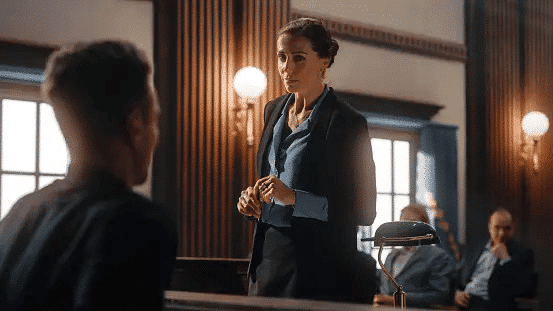
A pivotal aspect of court hearings is the artful practice of cross-examination. Legal practitioners engage in strategic dialogue, probing witnesses’ credibility and the presented evidence’s robustness. It is a rigorous tug-of-war where the truth is sought through a series of pointed questions and responses, revealing the intricacies of the legal chess match being played.
Legal Rhetoric: Arguments and Counterarguments:
As the legal proceedings unfold, attorneys present arguments grounded in statutes, precedent cases, and legal doctrines. These arguments serve as the intellectual backbone of the case. They also seek to persuade the judge or jury of the righteousness of their client’s cause. It is a symphony of legal thought, a clash of interpretations that resonates within the hallowed halls of justice.
In a crescendo of legal discourse, the proceedings culminate in closing statements. This is an opportunity for attorneys to leave an indelible imprint on the minds of the decision-makers. These statements encapsulate the essence of the case. They summarize key points and make a final impassioned plea for a favorable judgment. The denouement, the concluding act in the legal drama, unfolded within the confines of the courtroom.
The Nexus of Importance: Why Court Hearings Matter:
Beyond the intricacies of the legal process, court hearings hold paramount importance in the broader landscape of justice. They serve as the linchpin of several crucial facets:
1. Ensuring Due Process:
Court hearings epitomize due process, allowing each party to present their case, confront witnesses, and respond to evidence. They uphold the fundamental tenet that justice should be done and seen to be done.
2. Facilitating Fair Adjudication:
By providing a transparent and structured platform for the presentation of evidence and legal arguments, court hearings contribute to fair adjudication. They ensure that decisions are grounded in a meticulous examination of the facts and legal interpretations, fostering trust in the justice system.
3. Conflict Resolution:
From minor disputes to complex trials, court hearings serve as the crucible where legal conflicts find resolution. They are the battlegrounds where legal adversaries contend for victory, and where the principles of equity and justice guide the path to resolution.
4. Shaping Legal Precedents:
Court hearings often transcend their immediate impact, shaping legal precedents that influence future cases. Landmark decisions emerge from these proceedings, leaving an indelible mark on the legal landscape and contributing to the evolution of jurisprudence.
Are Court Hearings Compulsory?
Often portrayed as the climax of legal proceedings, court hearings are a cornerstone of the justice system. The question that echoes through legal corridors and sparks debates is whether these hearings are truly compulsory. At the heart of the matter lies the principle of due process. Courts, as institutions designed to administer justice, rely on the participation of all relevant parties to ensure a fair and impartial adjudication. This fundamental tenet underscores the notion that court hearings are compulsory. When the court summons individuals, it creates a legal obligation, not a courtesy, rooted in the fundamental pursuit of justice.
Exceptions
Although court hearings may seem compulsory, courts sometimes grant exceptions. Jurisdictions excuse individuals from attending when health, safety, or other serious reasons make physical presence impractical. In these cases, courts often allow alternative participation, such as a virtual hearing, to preserve due process.
Furthermore, civil and criminal proceedings may diverge in their approach to the compulsory nature of court hearings. Civil cases, characterized by disputes between private parties, sometimes provide flexibility for parties to reach agreements without a formal courtroom appearance. This flexibility should not be seen as a blanket exemption. Instead, it recognizes the autonomy of the parties involved in resolving their disputes.
On the criminal front, the stakes are undeniably higher, and the principle of compulsory attendance takes center stage. Criminally charged defendants are typically obligated to appear in court to protect their rights. The gravity of criminal accusations necessitates the direct involvement of the accused in their defense, reinforcing the compulsory nature of court hearings in criminal proceedings.
The Intervention Of Digital Advancement
As technology continues its relentless march forward, the landscape of court appearances evolves. Virtual hearings, once an exception, have become more prevalent, especially in the wake of global events that prompted a reevaluation of traditional practices. The question arises: Can virtual presence truly match physical attendance when it comes to the compulsory nature of court hearings?
While virtual hearings offer a pragmatic solution in certain scenarios, they introduce complexities and challenges. A virtual setting may compromise assessing demeanor, engaging in spontaneous interactions, and perceiving the courtroom atmosphere. The balance between embracing technological advancements and upholding the sanctity of court proceedings becomes a delicate dance for legal systems navigating the modern era.
From Arrest to Verdict: A Step-by-Step Look at the Court Hearing Process
Arrest and Booking:
The journey commences with the dramatic moment of arrest. Whether it’s flashing lights in the dead of night or a more subdued daytime apprehension, this is the initial encounter with the legal system. From handcuffs to Miranda rights, the individual is ushered into the labyrinth of the criminal justice system.
Initial Appearance:

Following arrest, the accused is swiftly brought before a judge for an initial appearance. This critical step involves informing the individual of the charges against them, ensuring legal representation, and setting bail if applicable. It’s the first glimpse into the legal chess match that awaits.
Preliminary Hearing or Grand Jury:
Depending on jurisdiction, a preliminary hearing or grand jury proceeding may follow. This stage assesses the prosecution’s evidence to determine if there’s enough to proceed to trial. Grand juries operate in secrecy, while preliminary hearings are more public, both aiming to sift through the facts and establish a foundation for the case.
Arraignment:
The accused now stands before the court to enter a plea—guilty, not guilty, or no contest. The arraignment sets the stage for the subsequent proceedings and signals the beginning of the defense strategy.
Discovery:
A legal exchange of information occurs during the discovery phase. Prosecution and defense share evidence, witness lists, and other relevant details, laying the groundwork for a transparent and fair trial.
Pre-trial Motions:
Before the trial, attorneys may file motions to address legal issues. This could include suppressing evidence, challenging the admissibility of certain testimony, or even dismissing charges based on legal grounds.
Trial:
The heart of the matter unfolds in the courtroom. Prosecution and defense present their cases. Witnesses are also examined and cross-examined. The drama of the trial captures the essence of the adversarial legal system.
Deliberation and Verdict:
Following the trial, the fate of the accused rests in the hands of the jury or judge. Deliberations commence, and a guilty or not guilty verdict is rendered. This pivotal moment determines the individual’s future and resonates with the principles of justice.
Sentencing:
For those found guilty, the court proceeds to sentencing. Factors such as the nature of the crime, criminal history, and mitigating circumstances influence the punishment meted out—ranging from fines and probation to incarceration.
Appeal:
The legal journey may not conclude with the verdict. A dissatisfied party can opt for an appeal, challenging the decision based on legal errors or new evidence. This phase adds another layer of complexity to the overall process.
Conclusion
Each step in a court hearing adds to the larger symphony of justice within the legal process. From the initial arrest to the final verdict, a court hearing reflects a careful balance between uncovering truth and safeguarding individual rights. As we move through this complex journey, the essence of justice becomes clear, reaching beyond formal procedures to influence lives and shape the very fabric of society.
- The Role of Evidence in Court Hearings: A Deep Dive into Legal Proceedings
- Will there still be family court hearings and trials in Houston area courts in the state of disaster?
- What will the impact of the pandemic be on Houston family court hearings and trials?
- A Step-by-Step Timeline of a Typical Divorce Court Hearing in Texas
- Top Tips for Preparing for Your Family Court Hearing in Fort Worth
- The Role of Evidence in Court Hearings: A Deep Dive into Legal Proceedings
- Legal Requirements for Guardianship Hearings in Texas Court
- The Impact of Virtual Court Hearings on the Judicial System
- Ensuring a Fair Trial: The Significance of Public Access to Court Hearings
- 5 Things NOT to Do in a Court Hearing


