 Skip to content
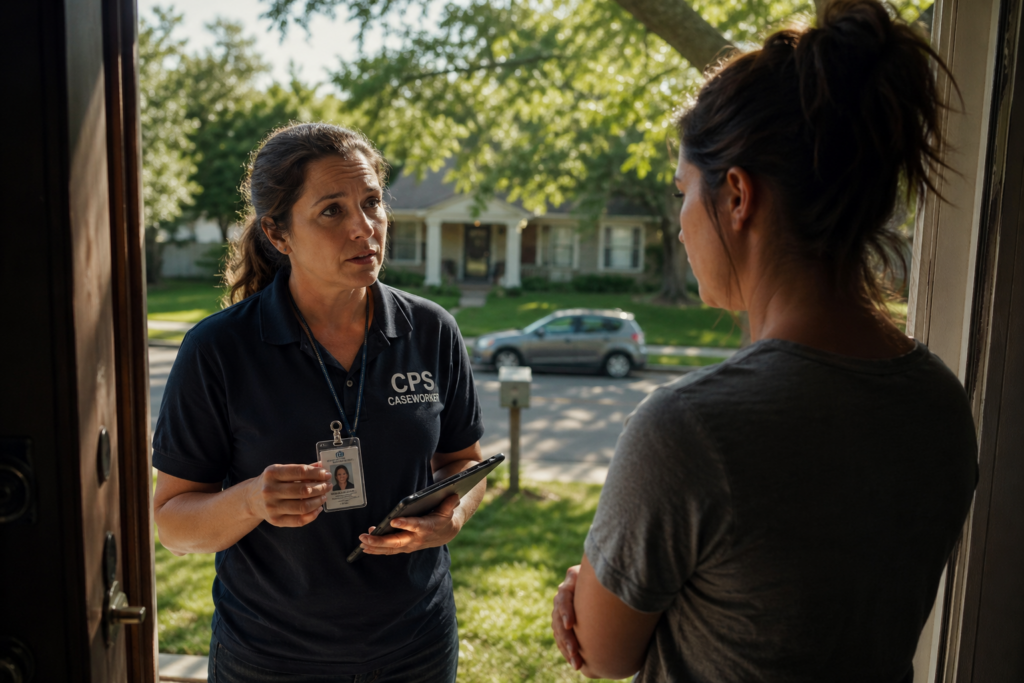
What happens if you fail a drug test for CPS in Texas often starts with a moment that feels like everything is slipping at once. A parent we once spoke with described it this way: the knock at the door came unexpectedly, a caseworker introduced herself, and within minutes, a simple request—“we need you to take a drug test”—turned into a wave of fear about losing time with their child, their home life, and their sense of control. If you’re in that position, the uncertainty can feel overwhelming, and it’s hard to know what happens next or what’s actually at stake.
Here’s the part most people don’t realize right away: a failed drug test is not the end of your case, and it does not automatically mean you lose your child. Texas law—specifically Texas Family Code §153.002—requires courts to focus on the best interest of the child, which means looking at the full picture, not just a single test result. Judges and CPS investigators are asking a broader question: is the child safe, and can the parent provide a stable, supportive environment moving forward?
At The Law Office of Bryan Fagan, PLLC, we’ve guided families across Houston through these exact moments. Led by Bryan Joseph Fagan, a South Texas College of Law graduate and a recognized authority in Texas divorce and custody law, our team understands how quickly fear can take over when CPS becomes involved. Our mission is to bring clarity where there’s confusion—helping parents understand their rights, their options, and the steps they can take to protect their family.
In this article, we’ll walk you through what really happens after a failed CPS drug test in Texas, how courts evaluate these situations, and what you can do right now to move forward with confidence and protect what matters most.
Key Takeaways
- Failing a CPS drug test in Texas does not automatically mean you lose your child, but it can significantly affect the investigation and may lead to increased monitoring or court involvement.
- CPS considers drug test results along with other evidence when evaluating child safety under Texas Family Code Chapter 261.
- The court’s primary concern is whether the child is safe in the home, not the positive test result alone.
- Parents have legal rights and options in CPS cases and family law matters, including the right to legal representation and the ability to challenge test results.
- Taking immediate, responsible action—such as cooperating with CPS, following safety plans, and seeking legal counsel—can help protect your parental rights and demonstrate your commitment to your child’s safety.

Your Family’s Future Starts Here
Don’t navigate your legal journey alone. Schedule a consultation now and get the clarity and support you deserve.
What Happens If You Have a Positive Drug Test for CPS in Texas: The Short Answer
When parents ask what happens if you fail a drug test for CPS in Texas, the most important thing to understand is this: a positive result does not automatically mean you will lose your children. Instead, CPS treats the result as one piece of a much larger evaluation focused on your child’s safety and well-being. Under Texas Family Code §153.002, courts are required to act in the best interest of the child, which includes not only safety but also stability, consistency, and your ability to provide a supportive home environment.
In straightforward situations—such as a first-time positive test where there are no immediate safety concerns and the parent is cooperative—CPS may respond with increased monitoring, a safety plan, or recommendations for services. This could include temporary supervision requirements, follow-up testing, or participation in counseling or treatment programs. These steps are not meant to punish, but to assess risk and create a path toward stability. Understanding the CPS investigation process can help you better prepare for what comes next and avoid common missteps that can complicate your case.
In more complex cases, however—especially where there are repeated positive tests, concerns about supervision, or evidence that substance use is impacting the child’s environment—CPS may escalate the situation. Under Texas Family Code Chapter 262, this can include seeking court involvement, requesting temporary custody changes, or placing the child with a relative or foster care. Judges will look closely at factors such as your credibility, your willingness to comply with CPS recommendations, and whether your actions demonstrate a commitment to protecting your child. If your case involves an active custody dispute, these issues may also directly affect outcomes related to child custody in Texas and visitation rights under §153.134.
Ultimately, the outcome depends on several key factors: the type of substance involved, whether the use creates a safety risk, your level of cooperation, and the overall stability of your home. If your situation is manageable, taking proactive steps early—such as complying with testing and engaging in recommended services—can make a meaningful difference. But if your case involves higher risk factors, contested custody issues, or potential court action, the decisions you make now carry more weight, and delays or missteps can increase the stakes significantly.

How CPS Uses Drug Test Results in Texas
To fully understand what happens if you fail a drug test for CPS in Texas, it’s important to first understand why CPS conducts drug testing in the first place. These tests are not used in isolation—they are part of a broader effort to evaluate child safety. Under Texas Family Code Chapter 261, CPS investigates reports of abuse or neglect, and suspected substance use may trigger a request for testing if it could impact a parent’s ability to provide a safe and stable home environment.
Drug test results are only one piece of the overall assessment. CPS caseworkers evaluate multiple factors, including home conditions, interviews with the child and parents, medical records, and any prior history. A positive test alone does not automatically prove neglect or justify removal under §262. Instead, CPS must determine whether substance use is actually affecting parenting ability and creating a risk to the child. Understanding this broader CPS investigation process can help parents recognize how their actions and responses fit into the bigger picture.
In straightforward situations—such as a first-time concern with no evidence of harm—CPS may use drug testing as an initial screening tool to better understand potential risks. These cases often involve urine tests to detect recent use or saliva tests for immediate concerns. Hair follicle testing may be used when CPS is evaluating patterns of behavior over time. However, for any legal proceeding, confirmatory testing is required to ensure accuracy and reliability, and courts rely on those confirmed results when making decisions.
In more complex cases—particularly where there are repeated positive tests, concerns about supervision, or instability in the home—CPS will look more closely at how substance use affects parental fitness under Texas Family Code §153.002. Judges evaluating these situations also consider long-term stability and parenting arrangements under §153.134, especially if custody or visitation is at issue. They are not simply asking whether a parent tested positive—they are evaluating credibility, cooperation, and whether the parent is taking meaningful steps to create a safe environment.
If your case involves additional risk factors—such as noncompliance with testing, conflicting accounts, or concerns raised during the investigation—the way CPS interprets drug test results can carry more weight. In these situations, delays or missteps can increase the likelihood of court involvement or stricter conditions. But when parents are proactive, cooperative, and focused on addressing concerns, CPS often views that as a positive step toward maintaining stability and protecting the child’s well-being.
Ultimately, CPS drug testing is about assessing risk—not assigning automatic consequences. Knowing how these tests are used, and how your response is evaluated, can help you make informed decisions that protect both your rights and your child’s future.
Immediate Actions CPS May Take After a Failed Drug Test
A positive drug test result in a CPS investigation can trigger a range of actions from CPS, including the implementation of safety plans and the potential for further drug testing or treatment programs.
Safety Plan Requirements: A CPS investigator is responsible for developing and monitoring the safety plan, which may require the signing of a safety plan that could involve placing children temporarily with a relative or friend. This in-home plan details what a parent must do, who will supervise interactions with children, and what services to enroll in.
Increased Supervision: Increased supervision by CPS may involve more frequent home visits and the requirement that all interactions with children be supervised by a CPS-approved adult.
Additional Drug Testing: CPS requires a parent or caregiver to be drug tested within 48 hours after discovering a child safety threat related to substance use. The presence of drug paraphernalia in the home can prompt the CPS investigator to require further drug testing or take additional protective measures. Ongoing random drug testing may be required to monitor compliance.
Substance Abuse Evaluation and Treatment: CPS often mandates participation in Family-Based Safety Services (FBSS) such as counseling and mental health evaluations to address substance use. The involvement of CPS can lead to mandatory rehabilitation requirements, including counseling and attendance at support groups.
Table 1: Possible CPS Responses to a Failed Drug Test
| Situation | CPS Action | Purpose |
|---|---|---|
| First-time positive test with no immediate safety concerns | Safety plan, increased monitoring, substance abuse evaluation | Assess risk level and provide support services |
| Positive test with ongoing case or court order | Report to judge, possible modification of court orders | Address violation and ensure child protection |
| Positive test indicating immediate danger to child | Emergency removal petition, court involvement under Chapter 262 | Protect child from harm |
| Positive test with cooperative parent | Treatment program referral, supervised visitation, continued monitoring | Support family reunification |
| Refusal to take drug test | Documentation of refusal, possible legal intervention | Address noncompliance and safety concerns |
When CPS May Seek Court Involvement
CPS may seek court involvement when concerns about child safety escalate beyond what can be addressed through voluntary safety plans. Under Texas Family Code Chapter 262, if CPS believes a child is at risk of immediate harm, they may file a lawsuit to remove the child and place them in foster care. CPS investigations can also overlap with criminal law if evidence of illegal drug use or other criminal conduct is discovered, potentially leading to criminal charges in addition to CPS action.
Court involvement becomes more likely when there is evidence of ongoing risk or immediate danger to the child, when a parent refuses to cooperate with safety plans or treatment requirements, or when drug use appears to directly compromise the child’s physical health or safety.
If there is a positive drug test, it may be reported to the judge and seen as a violation of court orders in ongoing court cases. A refusal to test for substance use can increase suspicion and may be used as evidence to justify emergency removal of a child.
The timeline from a failed drug test to court involvement varies based on the severity of the situation and the parent’s cooperation. Emergency removals can happen quickly when CPS believes immediate danger exists, but routine cases typically involve investigation, safety planning, and service referrals before court filings.
What Happens in Court After a Failed Drug Test
Understanding what happens if you fail a drug test for CPS in Texas becomes especially important once a case reaches the courtroom. If CPS determines that a child may be at risk, they can file a lawsuit under Texas Family Code Chapter 262, triggering a formal legal process. One of the first major steps is the adversary hearing, which must take place within 14 days of a child’s removal under §262.201. This hearing is not just procedural—it is where the court closely examines whether CPS had sufficient grounds to intervene and what should happen next.
At this stage, the judge reviews a wide range of evidence, including drug test results, home conditions, medical records, and testimony from CPS investigators. But the court is not simply looking at a positive test in isolation. Judges are evaluating parental fitness, credibility, and cooperation—asking whether the parent has taken steps to address concerns and whether the child can safely return home. This is where understanding the broader CPS investigation process becomes critical, as early decisions and interactions with CPS often shape how your case is viewed in court.
In straightforward situations—such as a first-time positive test combined with strong cooperation and a stable home environment—the court may allow the child to return home under certain conditions. These conditions might include supervised visitation, participation in treatment programs, and ongoing drug testing. In more complex cases, particularly where there are repeated concerns, lack of compliance, or signs that substance use is affecting the child’s safety, the court may order continued placement with the Texas Department of Family and Protective Services (DFPS) or with a relative caregiver.
If your case involves additional factors—such as an active custody dispute or questions about long-term parenting arrangements—the court may also consider how these issues impact child custody in Texas under §153.134. Judges are focused on stability, consistency, and the child’s best interest under §153.002, meaning that decisions made during this stage can have lasting effects on custody and visitation rights.
Ultimately, the court must decide whether there is an immediate and continuing danger to the child and whether reasonable efforts were made to avoid removal. If your situation is manageable and you are actively complying with CPS requirements, the court may view that as a path toward reunification. But if your case involves higher-risk factors or contested issues, the outcome can shift quickly, and delays or missteps at this stage can significantly impact your parental rights.

How Drug Test Results Affect Child Custody and Visitation
The outcomes of CPS drug tests can substantially impact child custody and visitation rights, often requiring a series of negative drug test results and successful completion of rehabilitation programs for parents to regain trust with CPS.
Supervised Visitation: If a parent tests positive, the court may require supervised visitation rather than unsupervised contact. All interactions with children may need to be supervised by a CPS-approved adult.
Temporary Custody Changes: Temporary orders may shift custody from the parent to DFPS, to relatives, or to the non-custodial parent. These changes are intended to ensure child safety while the parent addresses substance use concerns.
Court-Ordered Conditions: Courts may impose requirements such as completing substance abuse treatment, attending parenting classes, maintaining a drug-free environment, and passing random drug tests.
Long-Term Effects: Consistent patterns of drug abuse, failure to comply with treatment, or evidence that the child was harmed or neglected may affect permanent custody determinations. Evidence of substance use disorders or a history of physical abuse can significantly impact a parent’s ability to retain or regain permanent custody, as Texas courts prioritize the child’s safety and well-being. However, Texas courts generally favor family reunification, and showing commitment to recovery can lead to the restoration of full parental rights.
CPS Case Timeline After a Failed Drug Test
Understanding the timeline helps parents prepare for what lies ahead. CPS must check drug test results no later than two business days after a sample is submitted, and if results are not available, they continue to check daily until they are received.
Table 2: What Happens Next in a CPS Case
| Step | What Happens | Timeline |
|---|---|---|
| Initial drug test | CPS conducts or requests drug test as part of investigation | Within 48 hours of discovering safety threat |
| Test results reviewed | CPS caseworker reviews results with supervisor | Within 2 business days of sample submission |
| Safety assessment | CPS evaluates overall risk factors and family situation | During investigation period |
| Safety plan implementation | If concerns exist, CPS implements in-home safety measures | Immediately if needed |
| Court petition filed (if necessary) | CPS seeks court involvement if immediate danger exists | Varies based on severity |
| Adversary hearing | First court hearing after child removal | Within 14 days of removal |
| Service plan period | Parent completes required treatment, testing, and services | Ongoing (months) |
| Final disposition | Court makes permanent custody determination | After service plan completion |
What Parents Can Do After a Failed Drug Test
Failing a CPS drug test is serious, but it is not the end of your story. How you respond matters significantly. Here is lawful, responsible guidance for moving forward.
Stay Calm and Cooperative: Avoid confrontational behavior with CPS caseworkers. Your cooperation demonstrates your commitment to your child’s safety and well-being.
Follow All CPS Instructions: Comply with safety plan requirements, attend all scheduled meetings, and complete any required evaluations or treatment programs.
Document Everything: Keep written records of all interactions with CPS, including dates, times, and what was discussed. Save copies of treatment attendance records and negative test results.
Gather Medical Documentation: If a positive test may be explained by prescription medications or over-the-counter medications, gather documentation from your medical provider. Additionally, ensure your child receives appropriate medical care if there are concerns about substance exposure or withdrawal symptoms, and keep records of any medical follow-up.
Seek Legal Advice Immediately: Parents have the right to legal counsel during CPS investigations. An experienced CPS attorney can ensure you are informed about testing procedures and the potential legal consequences of drug tests.
Consider Voluntary Treatment: Proactively enrolling in substance abuse treatment or attending support groups for substance use disorders demonstrates your commitment to addressing concerns and providing a drug-free environment for your child.
What If the Test Result Is Disputed
When parents are trying to understand what happens if you fail a drug test for CPS in Texas, one of the most important—but often overlooked—issues is what to do if the result is wrong. False positives can and do occur, especially when prescription medications or even certain over-the-counter drugs interfere with initial screening results. If you believe your result is inaccurate, taking action quickly is critical. Waiting too long can affect how CPS—and ultimately a judge—views your credibility and willingness to address concerns.
Not all drug tests carry the same weight in a CPS case. Initial screenings are considered presumptive, while confirmed laboratory tests are what courts rely on. These confirmed tests must be conducted by accredited labs following strict procedures, but errors can still happen. You have the right to request confirmatory testing, such as gas chromatography-mass spectrometry (GC-MS), which provides a more reliable and defensible result. Understanding how testing works through the CPS investigation process can help you identify potential issues and respond appropriately before the situation escalates.
In straightforward situations—such as a first-time positive result with a valid medical explanation—promptly gathering documentation, contacting the Medical Review Officer (MRO), and cooperating with CPS can often resolve the issue. These steps demonstrate responsibility and reinforce your commitment to your child’s well-being, which courts consider under Texas Family Code §153.002 when evaluating the child’s best interest. However, in more complex cases—especially where there are repeated concerns, compliance issues, or an active CPS case under §262—disputing a test result becomes more than a simple clarification. It may require a structured legal approach to ensure that procedural errors, such as chain-of-custody problems or improper collection methods, are properly challenged.
If your case involves custody questions or court oversight, disputed results can directly affect decisions related to child custody in Texas under §153.134, including visitation and long-term parental rights. Judges are not just evaluating the test—they are assessing your overall response, your credibility, and whether your actions support a stable and safe environment for your child. In higher-risk situations, failing to challenge an inaccurate result or delaying action can increase the likelihood of stricter court orders, including supervised visitation or extended CPS involvement.
Taking informed, timely action is essential. If your situation is manageable, addressing the issue early can prevent unnecessary complications. But if your case involves multiple factors or potential court consequences, the margin for error is much smaller, and the steps you take now can significantly influence the outcome.

Common Misconceptions About CPS Drug Testing
Myth: “Failing one test means automatically losing your child.” Reality: CPS must prove actual abuse or neglect, and drug use alone is not sufficient for removal. A single positive test is one factor among many in the overall investigation. CPS and Texas courts focus on whether a parent’s substance use impacts their ability to meet the child’s basic needs, such as safety, supervision, and emotional support.
Myth: “CPS decisions are automatic and cannot be challenged.” Reality: CPS must follow Texas Family Code procedures, and all significant decisions are subject to court oversight. Parents have the right to legal representation and can challenge CPS actions through legal proceedings.
Myth: “There is no way to respond or improve the situation.” Reality: Parents who cooperate with CPS, follow treatment requirements, and demonstrate commitment to their child’s safety can work toward family reunification.
Myth: “Drug test results are the only factor CPS considers.” Reality: CPS must provide parents with information regarding the drug testing process, including the significance of the results and the implications for parental rights. Test results are considered alongside home conditions, parental behavior, medical records, and prior history.
How a Texas CPS Attorney Can Help
When families are trying to understand what happens if you fail a drug test for CPS in Texas, one of the most important decisions they face is whether—and when—to seek legal guidance. A CPS investigation can move quickly, and early decisions often shape how your case is viewed by both CPS and the court. Taking the right steps early can help protect your parental rights, while delays or missteps can increase the risk of stricter oversight or court involvement under Texas Family Code §262.
In straightforward situations—such as a first-time positive test where there are no immediate safety concerns—legal guidance can help you stay on track. This may include understanding your rights during testing, complying with CPS requests appropriately, and avoiding common mistakes that could escalate the situation. Reviewing resources like the CPS investigation process can also provide helpful context, but applying that information to your specific circumstances is where experienced guidance becomes valuable. Even in manageable cases, how you communicate, document your efforts, and demonstrate stability can directly influence how CPS evaluates your situation.
In more complex cases—especially those involving repeated concerns, contested custody issues, or active court proceedings—the need for a structured legal strategy becomes more critical. Judges evaluating these cases under Texas Family Code §153.002 and §153.134 are looking closely at parental fitness, credibility, and the overall stability of the child’s environment. Legal guidance can help ensure that your actions align with what the court expects, whether that involves preparing for hearings, responding to CPS findings, or addressing issues such as disputed drug test results or service plan compliance.
If your case involves higher-risk factors—such as potential removal, ongoing noncompliance concerns, or disputes over long-term custody arrangements—the stakes are significantly higher. In these situations, legal advocacy can play a key role in protecting your rights, ensuring CPS follows proper procedures, and helping present a clear plan that supports reunification and long-term stability under Texas Family Code §263. The way your case is handled at this stage can have lasting effects on custody, visitation, and your relationship with your child.
Understanding what happens if you fail a drug test for CPS in Texas is an important first step, but knowing how to respond in your specific situation is what ultimately makes the difference. Whether your case is straightforward or more complex, having the right level of guidance can help you move forward with clarity, avoid unnecessary risks, and protect what matters most—your family’s future.
Checklist: What to Do If You Fail a Drug Test for CPS in Texas
- Stay calm and avoid confrontational behavior with CPS workers
- Follow all CPS instructions and safety plan requirements
- Document all interactions with CPS in writing
- Gather relevant medical records and prescription documentation
- Attend all scheduled meetings and court hearings
- Seek legal advice from an experienced CPS attorney immediately
- Consider voluntary substance abuse evaluation or treatment
- Prepare for possible court involvement and gather character witnesses
- Maintain focus on your child’s best interests and safety
- Keep records of all compliance efforts and positive steps taken
Conclusion
Understanding what happens if you fail a drug test for CPS in Texas ultimately comes down to how you respond next. The system is not designed to punish—it’s designed to protect children and evaluate whether stability can be restored. In straightforward situations, where a parent is cooperative, follows recommendations, and takes proactive steps toward improvement, outcomes are often far more manageable than people expect. But in more complex cases—especially those involving repeated concerns, court involvement, or competing custody claims—the stakes rise quickly, and the path forward requires a more strategic, informed approach.
If your case involves multiple factors like ongoing CPS monitoring, a pending custody dispute, or questions about your parental rights, it’s important to recognize that not every situation should be handled the same way. Some families need guidance and structure to stay on track, while others need strong legal advocacy to protect their position and push back when necessary. The key is understanding where your situation falls—and making decisions that support both your rights and your child’s long-term stability.
At The Law Office of Bryan Fagan, PLLC, the focus is on helping families move forward with clarity and confidence. Through education, practical guidance, and experienced legal strategy, you can take control of what feels uncertain right now and begin building a more stable path ahead—for yourself and for your child.
Frequently Asked Questions
Failing a CPS drug test can lead to significant consequences, including increased monitoring, safety plans, supervised visitation, substance abuse treatment requirements, and in serious cases, temporary loss of custody. The outcome depends on whether the substance use affects your child’s safety and your cooperation with CPS.
CPS cannot automatically remove your child based solely on one positive drug test. CPS must prove actual abuse or neglect and demonstrate that the child faces immediate danger. A single test result is one factor in a broader investigation that considers home conditions, parenting capability, and overall child safety.
A positive drug test result may trigger safety plan implementation, additional drug testing, substance abuse evaluations, increased home visits, and requirements for treatment programs. If CPS believes the child is in immediate danger, they may seek court involvement under Texas Family Code Chapter 262.
Yes, drug test results can be challenged. You may request confirmatory testing, provide medical documentation for prescription medications, and contact the Medical Review Officer to review potential errors. An attorney can help identify procedural issues and present evidence challenging inaccurate results.
While not legally required during the investigation phase, having legal representation is strongly recommended. If CPS files a lawsuit to remove your children and you cannot afford an attorney, you have the right to a court-appointed attorney. Legal counsel can protect your rights and help you navigate the complex CPS process.
The timeline varies based on the severity of concerns and your cooperation. Investigation phases can last weeks, while service plan periods following court involvement may extend for several months. The adversary hearing after child removal must occur within 14 days under Texas law.
Parents have the right to legal counsel during CPS investigations, ensuring they are informed about testing procedures and potential consequences. CPS drug testing procedures and CPS drug testing laws govern how tests are administered and what rights parents have throughout the process. CPS must provide information regarding the drug testing process and its implications. You may refuse testing, but refusal can be documented and may lead to legal intervention.
Yes, regaining custody is possible. Texas courts favor family reunification, and demonstrating commitment to recovery through completing treatment programs, passing subsequent drug tests, following court orders, and maintaining a safe home environment can lead to the restoration of full parental rights. Parents who address substance use disorders through treatment and ongoing recovery efforts are more likely to regain custody.


