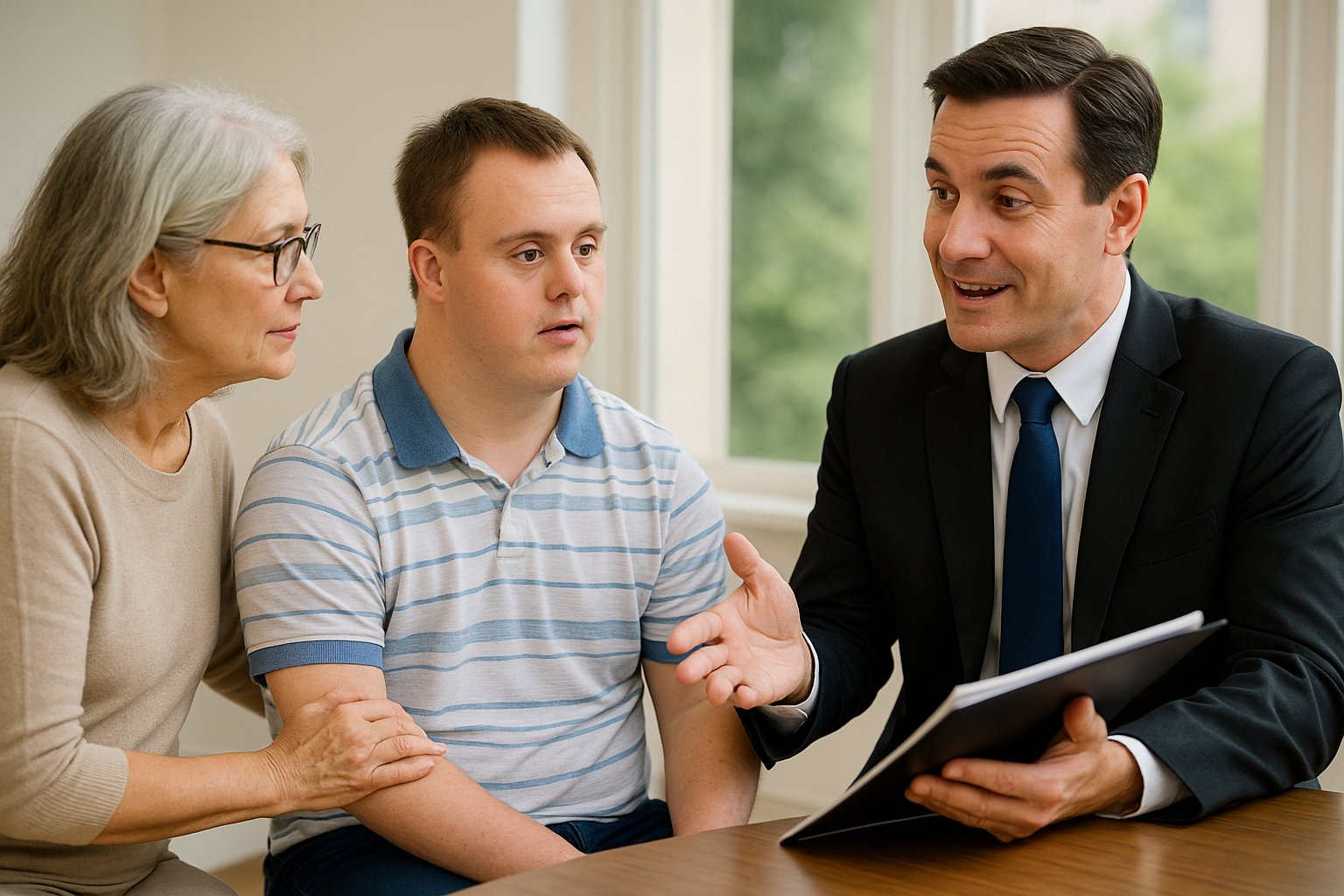
Setting up the right financial protections for a loved one with a disability often requires specialized planning. One of the most critical tools for doing this is a special needs trust, and hiring the right legal professional is key to ensuring everything is done correctly. But what exactly do special needs trust lawyers do, and how can you tell if you need one?
We’ll cover common questions and essential considerations about special needs trust lawyers, including what they handle, when to seek one, and how they assist families in making informed choices. If you’re unsure about this part of estate planning, this guide can help you better understand the practical steps involved.
- What Do Special Needs Trust Lawyers Actually Do?
- When Should You Talk to a Special Needs Trust Lawyer?
- Why Can’t You Just Use a Regular Estate Planning Attorney?
- What’s the Difference Between First-Party and Third-Party Trusts?
- Do You Need a Special Needs Trust Lawyer for an ABLE Account?
- How Do Special Needs Trust Lawyers Charge for Their Services?
- What Should You Look for When Choosing a Special Needs Trust Lawyer?
- Can Special Needs Trust Lawyers Help Trustees After the Trust Is Created?
- Is Court Involvement Always Required?
What Do Special Needs Trust Lawyers Actually Do?
Special needs trust lawyers help clients create and manage trusts designed to support individuals with disabilities while preserving eligibility for public benefits like Medicaid or Supplemental Security Income (SSI). Their work involves balancing financial support with strict legal compliance.
Their responsibilities often include:
- Drafting trust documents that comply with federal and Texas-specific rules
- Advising on the choice of trustees and successor trustees
- Explaining the differences between first-party and third-party special needs trusts
- Ensuring the trust language avoids disqualifying the beneficiary from benefits
- Coordinating with other professionals such as financial planners or care managers
The lawyer ensures the trust is not only legally valid but also tailored to your family’s needs and the beneficiary’s future.
When Should You Talk to a Special Needs Trust Lawyer?
Most families speak to special needs trust lawyers when planning long-term care for a child, sibling, or adult with disabilities. The right time to consult a lawyer is before gifting or leaving money directly to a loved one with special needs. This can also apply to:
- Parents or grandparents creating or updating their estate plans
- Someone receiving a personal injury settlement or inheritance
- Caregivers seeking guidance on how to financially support their loved one without losing government assistance
Waiting too long can lead to mistakes that may disqualify your loved one from means-tested benefits. A lawyer can also assist in modifying existing trusts if your circumstances change or if laws are updated.
Why Can’t You Just Use a Regular Estate Planning Attorney?
While general estate planning attorneys can help with wills and standard trusts, special needs trust lawyers are trained in areas that are far more specific. These trusts must comply with federal and state regulations that don’t apply to other estate planning tools.
For example, Texas has rules about Medicaid reimbursement and trustee duties that affect how the trust is written and managed. Lawyers without this focus may overlook key issues, such as:
- The requirement for payback provisions in first-party trusts
- Rules on permissible distributions from the trust
- How the trust interacts with public benefit programs
It’s not just about setting up a trust. It’s about setting it up correctly so it works as intended without triggering penalties or disqualification.
What’s the Difference Between First-Party and Third-Party Trusts?
When you talk to special needs trust lawyers, you’ll hear about two main types of trusts. Knowing the difference is critical for choosing the right one.
- First-party special needs trusts are funded with the beneficiary’s own assets, like an injury settlement or inheritance. These must include a Medicaid payback clause. Upon the beneficiary’s death, any remaining funds are used to reimburse Medicaid before going to other heirs.
- Third-party special needs trusts are funded with someone else’s money—typically a parent, relative, or guardian. These do not require Medicaid payback and can be more flexible in design.
Your lawyer will help you choose the correct structure based on the source of the funds and the long-term plan for the beneficiary.
Do You Need a Special Needs Trust Lawyer for an ABLE Account?
An ABLE (Achieving a Better Life Experience) account allows people with disabilities to save and spend money for qualified expenses without losing public benefits. However, ABLE accounts have contribution and ownership limits, and they are not a replacement for special needs trusts.
Special needs trust lawyers often advise clients on whether to use an ABLE account in conjunction with a trust, rather than as a substitute. In some cases, both tools can complement each other. For example:
- A trust can hold larger gifts and manage funds long-term
- An ABLE account can be used for everyday expenses like food and housing
- The trust can periodically fund the ABLE account within legal limits
Only a lawyer trained in both tools can guide you on how to combine them effectively.
How Do Special Needs Trust Lawyers Charge for Their Services?
Fees for special needs trust lawyers can vary depending on the complexity of your situation. In Texas, many lawyers charge a flat fee for drafting a special needs trust, especially if it’s part of a larger estate plan. Others charge by the hour, particularly when dealing with:
- Court approvals
- Trust administration issues
- Custom trustee guidance
- Modifications to an existing trust
Expect flat fees to range from approximately $2,000 to $5,000 for comprehensive planning, although this can vary by firm and location. Hourly rates may range from $250 to $450.
During your first consultation, always ask for a written fee schedule and whether the lawyer offers package pricing that includes consultations and follow-up support.
What Should You Look for When Choosing a Special Needs Trust Lawyer?
Not every attorney has experience with these trusts. Here’s what to ask when evaluating special needs trust lawyers:
- Do they focus on special needs or disability planning as a core part of their practice?
- Are they familiar with Medicaid and SSI eligibility rules specific to your state?
- Can they explain how they tailor trusts based on your family’s goals?
- Do they help with selecting and advising trustees?
- Will they assist in updating the trust if laws change?
You want a lawyer who not only understands the legal requirements but also listens to your concerns and helps you create a plan that works long-term.
Can Special Needs Trust Lawyers Help Trustees After the Trust Is Created?
Yes. Setting up a trust is only the first step. Many special needs trust lawyers provide ongoing assistance to trustees to make sure they manage the trust according to the law. This may include:
- Helping with annual accounting or recordkeeping
- Advising on what expenses the trust can cover
- Reviewing distributions for compliance with Medicaid or SSI rules
- Assisting if the trustee wants to resign or appoint a successor
Some lawyers also serve as co-trustees or recommend professional trustees with experience in disability-related trusts.
Is Court Involvement Always Required?
Not always. Many third-party special needs trusts do not require court approval and can be established as part of your will or living trust. However, court involvement may be necessary if:
- The trust is a first-party trust and the beneficiary is a minor or incapacitated adult
- A personal injury settlement is involved
- There’s disagreement among family members
Special needs trust lawyers can tell you in advance whether a judge’s approval will be needed and help prepare all the documents if that’s the case.
Conclusion
Choosing to work with a special needs trust lawyer is one of the most important steps you can take to protect the long-term financial security and quality of life of a loved one with disabilities. These legal professionals bring specialized knowledge that helps ensure your trust is compliant, functional, and tailored to your family’s situation.
While it’s possible to find trust templates or general estate planning services online, these are rarely suited for the detailed legal requirements that special needs trusts must meet. Getting help from a qualified lawyer can prevent costly errors, preserve benefits eligibility, and create peace of mind that your loved one will be cared for.
Other Related Posts
- How Do I Make A Living Will? How One Simple Step Can Avoid Future Legal Nightmares
- Understanding ABLE Account vs Special Needs Trust for Smarter Financial Planning
- The Only Revocable Living Trust Template Parents Should Consider
- Special Needs Trust Rules You Can’t Afford to Ignore
- Difference Between Revocable and Living Trust: Are You Making the Right Estate Planning Choice?
- Did Special Needs Trust Rules Change? What Families and Caregivers Should Know in 2025
- Medical Directive vs Living Will: What Texans Should Know Before Choosing
- Adult Guardianship in Texas: A Step-by-Step Legal Guide for Families
- How Guardianship Of A Child In Texas Works: Step-by-Step Insights
- What Is a Charitable Remainder Trust: Full Breakdown for Your Estate Plan
- Temporary Guardianship Affidavit Texas: Who Needs It and Why It Matters
- The Ultimate Guide to Understanding What Can a Special Needs Trust Not Pay For
FAQs About Special Needs Trust Lawyers
Yes, some types can be amended, especially third-party discretionary trusts. You’ll need legal assistance to update or restate the trust properly.
No. Only first-party special needs trusts need to include this clause. Third-party trusts do not.
Yes, but it’s important to understand the responsibilities. Many families name themselves and a professional co-trustee to ensure proper administration.
When drafted and administered correctly, it should not affect eligibility for SSI or Medicaid. That’s why hiring a lawyer is important.
Once you’ve gathered all the necessary information, most lawyers can draft the trust in a few weeks. Court-involved trusts may take longer.