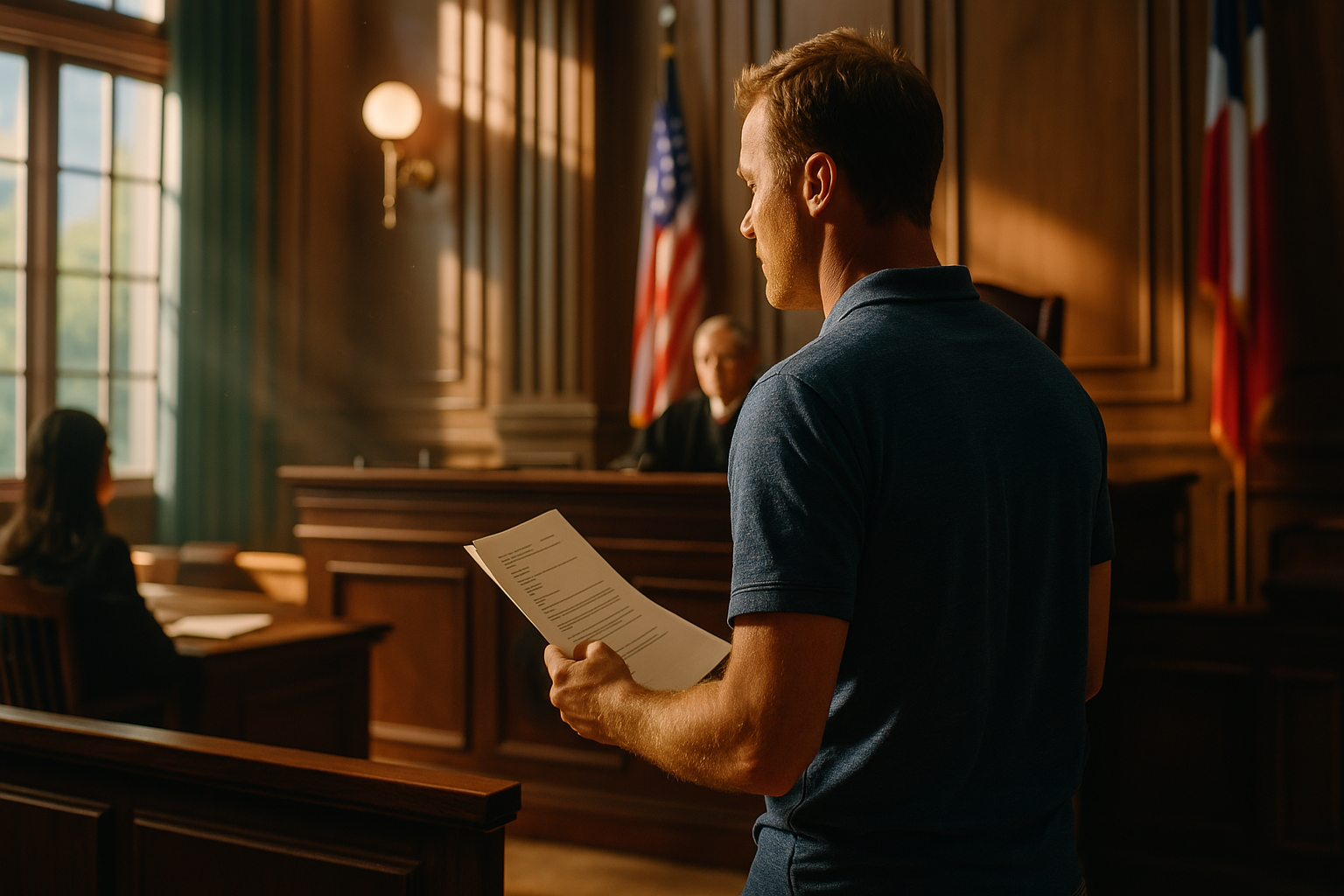
You’re standing in a courtroom, palms sweaty, trying to remember if the judge said to speak now or wait until called—and then someone mentions a “prove-up.” Cue the confusion. Is this some kind of legal bootcamp? Not quite. What Is a Texas Divorce Prove-Up is a question many people ask right as they’re about to finalize their uncontested divorce, and the answer is simple: it’s the short but critical court hearing where the judge reviews your agreement and officially ends your marriage.
This hearing may be quick, but don’t let its brevity fool you—it’s a big deal. The prove-up is your opportunity to present everything you and your soon-to-be-ex have agreed on: child custody, visitation, property division, support, and more. If done right, you walk out with a signed Final Decree of Divorce. If something’s off, the judge might send you back for revisions or even delay your divorce.
In this article, we’re diving deep into everything you need to know to answer the question, “What Is a Texas Divorce Prove-Up?”—and be fully prepared for it. We’ll explore county-specific procedures, default cases, what to do if your spouse bails, how to fix mistakes, what judges want to hear, and real-life tips for getting it done right the first time. So grab your paperwork (and maybe a strong cup of coffee), and let’s make sure you’re prove-up ready.
Key Takeaways
- A Texas Divorce Prove-Up is a required court session to finalize uncontested divorces, where both parties present their agreement to the judge for approval.
- The hearing occurs after a mandatory 60-day waiting period, ensuring that the divorce terms are fair and legally sound, even in cases of default.
- Preparation is essential for a smooth prove-up hearing, including having necessary documents, understanding the final decree, and being ready to answer the judge’s questions.

Your Family’s Future Starts Here
Don’t navigate your legal journey alone. Schedule a consultation now and get the clarity and support you deserve.
What is a Texas Divorce Prove-Up?
At the Law Office of Bryan Fagan, PLLC, one of the most common questions we receive is, what is a Texas Divorce Prove-Up? This essential step is a brief court hearing required to finalize an uncontested divorce in Texas. During the hearing, the judge reviews the agreed-upon terms—including property division, child custody under Texas Family Code § 153.002, child support pursuant to § 154.001, and spousal maintenance outlined in § 8.051—to ensure the agreement is fair, legal, and in the best interest of all parties involved.
The prove-up hearing itself is short and non-adversarial. The filing spouse (or both spouses) provides brief testimony confirming residency under § 6.301, compliance with the mandatory 60-day waiting period under § 6.701, and voluntary agreement to the terms. If the paperwork is complete and accurate, the judge will sign the Final Decree of Divorce on the spot. But if something is missing or legally insufficient, the court can delay finalization until corrections are made.
While legal representation isn’t legally required, working with a knowledgeable family law attorney can help avoid costly mistakes or delays. At our firm, we ensure your documentation is in order and you’re fully prepared for court. To learn more about how to get ready for this important step, visit our guide on attending the prove-up hearing for your divorce.

When is a Prove-Up Hearing Required?
A prove-up hearing is essential for finalizing an uncontested divorce in Texas. This hearing usually takes place after the mandatory 60-day waiting period following the filing of the divorce petition. The 60-day period allows both parties to reflect on their decision and ensure that the divorce terms are fair and just. If both spouses agree on the terms of the divorce or if one spouse does not respond to the divorce petition, a prove-up hearing is scheduled to finalize the process.
Even in default prove-up cases, where the other spouse fails to respond to the divorce petition, a prove-up hearing is required. The judge needs to evaluate the requests and agreements presented by the petitioner to ensure they meet legal standards. This step ensures that even in the absence of one party, the divorce process is fair and legally sound.
Who Must Attend the Prove-Up Hearing?
At a Texas divorce prove-up hearing, the parties involved in the divorce must attend, either in person or virtually, depending on the county regulations. Virtual attendance can be a convenient option for those who cannot be physically present due to distance or other constraints. However, it’s essential to check with your county’s requirements to confirm whether virtual attendance is permitted.
Children are not required to attend the prove-up hearing, and their presence is generally discouraged unless specified by the court. The focus of the hearing is on the agreements between the spouses, and having children present can be distracting and unnecessary.
The presence of both spouses, either physically or virtually, helps the judge accurately assess and finalize the divorce terms.
Preparing for Your Prove-Up Hearing
At the Law Office of Bryan Fagan, PLLC, we emphasize the importance of being fully prepared for your prove-up hearing. If you’re wondering, what is a Texas Divorce Prove-Up, it’s the final step in an uncontested divorce where a judge reviews your agreement and, if everything is in order, signs the Final Decree of Divorce. Under Texas Family Code § 6.701, a divorce cannot be granted until 60 days have passed from the date the petition was filed, and the prove-up hearing is often held immediately after that period ends. Both spouses are usually required to attend, although some Texas counties may allow virtual appearances. It’s essential to check your county’s specific rules to avoid unnecessary delays or rescheduling.
Proper preparation for the prove-up hearing can make the difference between a smooth experience and one filled with last-minute complications. That preparation includes ensuring all required documents are ready and correct—especially the Final Decree of Divorce, any child support orders under Texas Family Code § 154.181, and waiver of service forms, if applicable. Reviewing your documents carefully before the hearing helps avoid mistakes that could cause the judge to reject your decree or postpone finalization. Arriving early, dressing respectfully, and understanding the flow of the hearing can also help reduce stress on the day of your appearance.
For a complete overview of how to prepare for an uncontested divorce in Texas—from filing the initial petition to presenting your agreement in court—visit our in-depth resource on how to do an uncontested divorce. Our team is here to walk you through every step so that your prove-up goes as smoothly and efficiently as possible.

Necessary Documents for the Hearing
Having the right documents is crucial for a successful prove-up hearing. Essential documents typically include the Final Decree of Divorce and a Waiver of Service. These documents should be filed beforehand to ensure the hearing proceeds smoothly. It’s also advisable to bring multiple copies of all necessary paperwork to the hearing.
Besides the Final Decree of Divorce, other documents you might need include a child support calculation, wage withholding orders, and any required contact information forms. Complete and accurate paperwork is vital for presenting a clear and comprehensive case to the judge.
Reviewing Your Final Decree of Divorce
Thoroughly reviewing your final divorce decree before the hearing is essential. This document outlines all the terms of your divorce, including asset division, child custody, and spousal support. Both parties must ensure that all terms are accurately represented and agreed upon for a smooth prove-up hearing.
Carefully checking the Final Decree of Divorce helps identify any errors or discrepancies that need to be corrected before the hearing. This preparation ensures that the document reflects mutual agreements and meets legal standards, avoiding any potential delays or complications during the hearing.
Tips for a Smooth Experience
Consider these practical tips for a smooth experience at the prove-up hearing. Dressing appropriately and showing respect to the court can make a significant difference. Arriving early or logging into the virtual hearing ahead of time helps avoid last-minute stress and demonstrates your commitment to the process.
Additionally, maintaining a calm and respectful demeanor throughout the hearing is crucial. Being well-prepared and organized with all necessary documents will help you present your case confidently and efficiently, paving the way for a successful conclusion to your divorce proceedings.
The Prove-Up Process: Step-by-Step
At the Law Office of Bryan Fagan, PLLC, we know that clients often ask, what is a Texas Divorce Prove-Up, especially when they’re approaching the final steps of an uncontested divorce. The prove-up process is a required and structured court procedure designed to finalize your divorce in accordance with the Texas Family Code. Specifically, under Texas Family Code § 6.701, a court may not grant a divorce until 60 days have passed since the filing of the petition. Once that period ends, the prove-up hearing allows the judge to confirm that both parties understand and agree to the terms of their settlement.
During the prove-up hearing, both spouses—or just the petitioner in default cases—testify briefly before the judge. This includes confirming basic information like residency under § 6.301, stating that all agreements were made voluntarily, and presenting the final divorce documents for judicial approval. If children are involved, a parenting plan compliant with Texas Family Code § 153.001 is submitted to ensure the arrangement serves the best interest of the child. The judge reviews the documents, may ask clarifying questions, and—if everything meets legal standards—signs the Final Decree of Divorce, making the divorce official.
To better understand this important step, we invite you to watch our helpful video guide on getting an uncontested Texas divorce. It walks you through what to expect, what to bring, and how to speak confidently during the hearing. Whether you’re preparing to testify or simply want to avoid last-minute surprises, this guide—along with our experienced team—can ensure your prove-up process goes as smoothly as possible.

Confirming Identity and Residency
The initial phase of the prove-up hearing involves confirming the identity and residency of both parties. The judge verifies that both individuals meet the necessary residency requirements for a Texas divorce. Typically, you will be asked to confirm your county of residence and the duration of your stay there.
This step ensures that the court has jurisdiction over the divorce case.
Presenting Testimony and Evidence
During the Texas divorce prove-up hearing, the parties present relevant documents and oral testimony to support their divorce agreement to the judge. The petitioner provides testimony about the terms of the divorce, supported by necessary documents to validate the agreement. This step is crucial in proving that both parties understand and agree to the terms.
The judge may ask for additional documentation or clarification on specific points to ensure that the agreement is fair and meets legal standards. Providing clear and concise testimony, along with well-organized supporting documents, helps in substantiating your claims and agreements during the hearing.
Judge’s Review and Final Decision
Before: The judge’s role in the prove-up hearing is to assess the completeness and accuracy of the submitted divorce agreement. If everything is satisfactory, the judge will approve the agreement and finalize the divorce. However, if there are errors in the paperwork or if both parties do not attend the hearing, the judge might delay the finalization until the issues are resolved.
After: The judge’s role in the prove-up hearing includes:
- Assessing the completeness and accuracy of the submitted divorce agreement
- Approving the agreement and finalizing the divorce if everything is satisfactory
- Delaying the finalization if there are errors in the paperwork or if both parties do not attend the hearing
Arriving early or logging in ahead of time can contribute to a more efficient hearing process. Dressing formally and showing respect to court officials also helps in creating a positive impression, facilitating the smooth finalization of your divorce.
Common Questions Asked During the Prove-Up Hearing
At the Law Office of Bryan Fagan, PLLC, we understand that walking into a courtroom for your divorce prove-up hearing can feel overwhelming—especially if you’re unsure what the judge might ask. If you’re wondering, what is a Texas Divorce Prove-Up, it’s the final court hearing where the judge reviews and approves the terms of your uncontested divorce. This includes ensuring that the agreement complies with key sections of the Texas Family Code, such as § 153.002 for child custody and § 154.001 for child support.
During the prove-up hearing, the judge will likely ask a series of questions to confirm that both parties understand and agree to the terms. If children are involved—especially from previous relationships—the judge may ask for their names and ages, as well as how custody and visitation will be handled. This is to ensure the parenting plan aligns with the child’s best interests, as required by Texas law. Questions may also focus on how marital property is being divided and whether the spousal support (if any) is fair and consistent with § 8.051 of the Family Code.
Answering confidently and clearly is essential. It reassures the judge that both parties are entering into the agreement voluntarily and with full understanding of the terms. This moment ultimately leads to the signing of the Final Decree of Divorce, the document that legally ends your marriage. To learn more about what this document includes and why it’s so important, visit our blog post on the Final Decree of Divorce in Texas. Our firm is here to help you navigate every step—right up to the final signature.

Sample Q&A Script for Prove-Up Hearings
To help clients feel prepared for their prove-up hearing, here is a sample Q&A script. This script includes basic questions confirming identity, residency, and agreement to the terms of the divorce. Questions may include those regarding child custody, property division, and support, if applicable.
Understanding and practicing these questions can help clients feel more confident and engaged during the hearing. Preparation through the sample Q&A script can lead to a smoother and more efficient prove-up process, ensuring that all necessary information is clearly presented to the judge.
Importance of Legal Representation
At the Law Office of Bryan Fagan, PLLC, we often hear the question: what is a Texas Divorce Prove-Up, and why is having an attorney so important during this process? A prove-up hearing is the final step in an uncontested divorce, where the judge reviews your agreement and, if everything is in order, signs the Final Decree of Divorce. According to Texas Family Code § 6.701, a divorce cannot be granted until at least 60 days after the petition is filed, and the prove-up hearing is where the court ensures compliance with that timeline—along with reviewing the legal and financial terms of the agreement.
Having an experienced attorney by your side during the prove-up hearing can make a major difference. Your lawyer can help ensure that all paperwork is accurate, filed on time, and meets the statutory requirements found throughout the Texas Family Code, including child custody under § 153.001, child support under § 154.001, and spousal maintenance under § 8.051. Legal missteps—like incomplete documents or unsupported requests—can result in delays, resets, or even rejection of your decree.
Countless clients have shared how their attorney not only clarified confusing steps but also helped them stay calm and confident during their prove-up hearing. A lawyer’s presence ensures that your final hearing moves forward smoothly and legally. For a closer look at how this final stage works and what to expect, visit our guide on the final steps of a divorce in Texas. We’re here to guide you from start to finish—because every step matters.

Real-World Examples and Testimonials
Real-world examples and testimonials from clients who successfully navigated the Texas divorce prove-ups illustrate the effectiveness of professional guidance in Texas courts. One client praised their attorney for simplifying the divorce prove-up process and making them feel confident and prepared for their hearing.
Another client highlighted how their lawyer’s meticulous preparation helped them avoid potential pitfalls in the paperwork, ensuring a smooth hearing. Overall, these testimonials underscore the significant advantage of having professional support during the Texas divorce prove-up process. The positive experiences of others can provide reassurance and confidence for those going through the process.
Conclusion:
So there you are, standing outside the courthouse with a stamped Final Decree in hand, wondering if it’s weird to feel both relieved and emotionally winded at the same time. Spoiler alert: it’s not. Whether you high-five your best friend in the parking lot or sit in silence in your car replaying the whole hearing in your head, you just crossed one of the final—and most important—bridges in the Texas divorce process.
Now that you know exactly what to expect, you won’t be blindsided by judge questions, paperwork curveballs, or awkward courtroom moments. From navigating county quirks to understanding what the judge is really looking for, your answer to What Is a Texas Divorce Prove-Up no longer starts with a shrug and ends with a Google search.
Remember, the prove-up isn’t just about checking a box—it’s your chance to turn a stressful chapter into a clean page. Whether you’re doing it solo or showing up with your attorney in your corner, being informed is your best superpower. So breathe easy, show up prepared, and when it’s over, maybe treat yourself to tacos. Because honestly, if you’ve just survived the Texas family court system, you’ve earned them.